
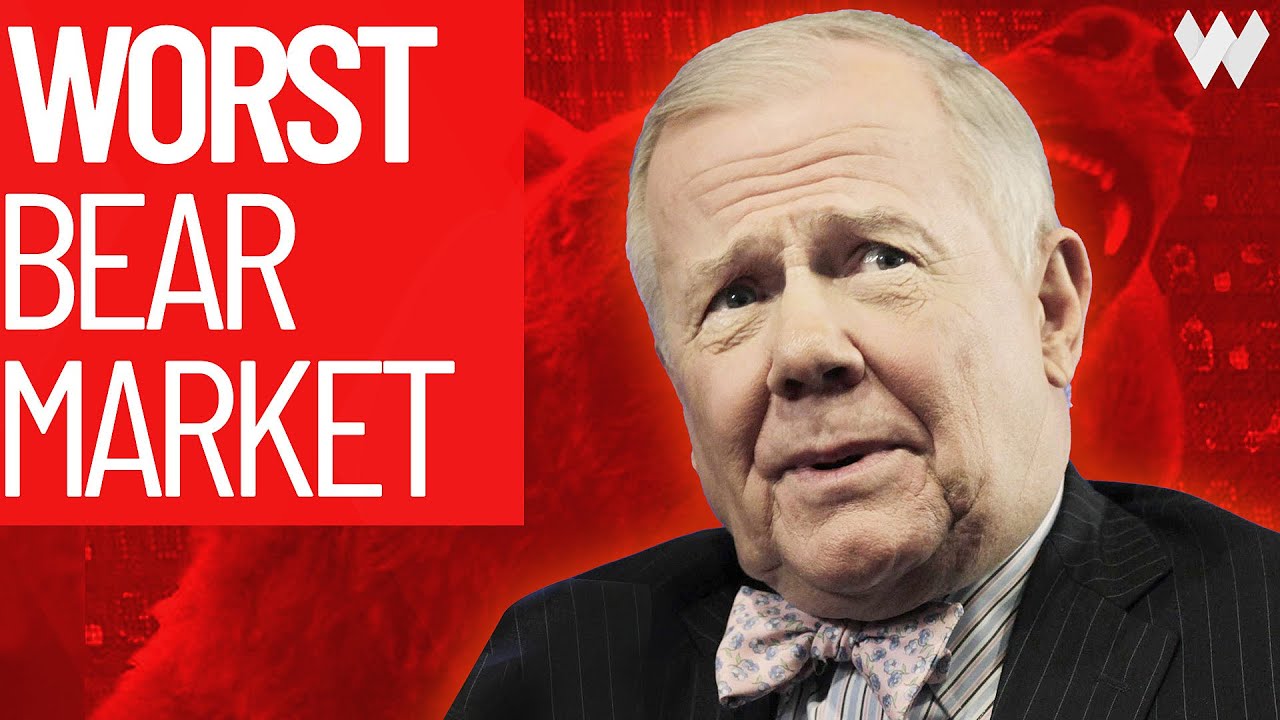

Jim Rogers: The ‘Worst Bear Market Of Our Lifetime’ Is Nearing Fast
In the world of finance and investing, few names evoke as much respect and attention as that of Jim Rogers. A seasoned investor, author, and co-founder of the Quantum Fund alongside George Soros, Rogers has made headlines over the decades for his forecasting abilities and unique investment philosophy. Today, he is sounding the alarm once again, warning that the financial landscape could be on the brink of a significant downturn. According to Rogers, we may be nearing the “worst bear market of our lifetime,” spurred by a combination of escalating debt, rampant inflation, and looming crises.
The Debt Dilemma
Rogers’ critique begins with the staggering levels of debt that nations around the globe are amassing. In the wake of the COVID-19 pandemic, governments turned to unprecedented levels of borrowing to prop up their economies. This has resulted in ballooning national debts, with countries like the United States reaching figures that many financial experts deem unsustainable. Rogers notes that high levels of debt historically lead to economic turmoil, and he believes the current trajectory poses a significant risk to financial stability.
The reliance on debt as a means of solving economic problems creates a vicious cycle, according to Rogers. As governments continue to pile on debt, they may be forced to implement drastic measures, potentially stifling economic growth and exacerbating financial inequities. “When the debts come due, we will all feel the impact,” Rogers warns, indicating that the consequences of this borrowing spree could be profound.
The Inflation Challenge
Adding to Rogers’ concerns is the specter of inflation. After decades of relatively stable prices, inflation has surged in many parts of the world, fueled by supply chain disruptions, increased demand, and substantial government stimulus. Rogers argues that inflation isn’t just a temporary phenomenon; it could become a persistent issue that erodes purchasing power and leads to even greater economic challenges.
Rogers draws parallels to previous periods in history where rampant inflation crippled economies. He recalls the 1970s, a decade marked by soaring prices and economic stagnation, suggesting that the current climate bears striking similarities. He emphasizes that as inflation persists, consumer behavior may shift dramatically, leading to reduced spending and a slowdown in economic growth.
Impending Crises
In addition to debt and inflation, Rogers warns of various crises on the horizon. He sees geopolitical tensions, such as those between major powers, as potential catalysts for market instability. The ongoing conflict in Ukraine and rising tensions in East Asia, particularly involving China, could disrupt global supply chains and further exacerbate economic woes.
Moreover, the investor points to the potential for financial crises in emerging markets, where high debt levels and inflation could spiral out of control. As these vulnerabilities come to the forefront, investors may flee to perceived safe havens, leading to large-scale market volatility.
Conclusion
With all of these factors converging, Jim Rogers’ assertion that we may be on the cusp of the “worst bear market of our lifetime” resonates with many seasoned investors. His insights remind us that the financial landscape is fraught with challenges that require careful navigation. As markets fluctuate and uncertainties abound, investors are advised to remain vigilant and make informed decisions.
While Rogers’ warnings might seem dire, they serve as a crucial reminder of the importance of financial awareness and strategic planning. The future is unpredictable, and preparing for potential downturns may be just as critical as capitalizing on opportunities during bull markets. As economic conditions evolve, keeping a pulse on these pivotal issues will be essential for investors looking to weather the storm ahead.
Stay tuned for Part 2, where we will explore practical investment strategies and sectors to watch in the face of impending market volatility.
LEARN ABOUT: Investing During Inflation
REVEALED: Best Investment During Inflation
HOW TO INVEST IN GOLD: Gold IRA Investing
HOW TO INVEST IN SILVER: Silver IRA Investing




SCHEDULE YOUR FREE PORTFOLIO REVIEW with John, Mike & their team at https://www.wealthion.com/
Great wisdom from Jim. He always has a great sense of humor.
It is an enlightening retrospective to watch this video from October 2022.
They talk about trillions.. Here's a wake up definition. You could spend 1 million dollars a day since the birth of Christ,, and you are not even close to even 1 trillion dollars.. Only comes to 738 billion
Won't China sell U.S. Treasuries if we raise rates? Won't that makes it harder for the fed to reduce its balance sheet.
Wow ~~ Jim is cool as!
How do we get the subtitle chapters for this? Love your podcasts, listen to many of them. but can't listen to as many without being able to pick and choose bits of all of them.
This is a message from the future: Jim was right. Oh, boy was he right.
Jimmy, if your going to open your mouth, say SOMETHING.
Refer to conversations at 13:00 we have Srilanka is failing, is that a beginning of the snowball of crash?