
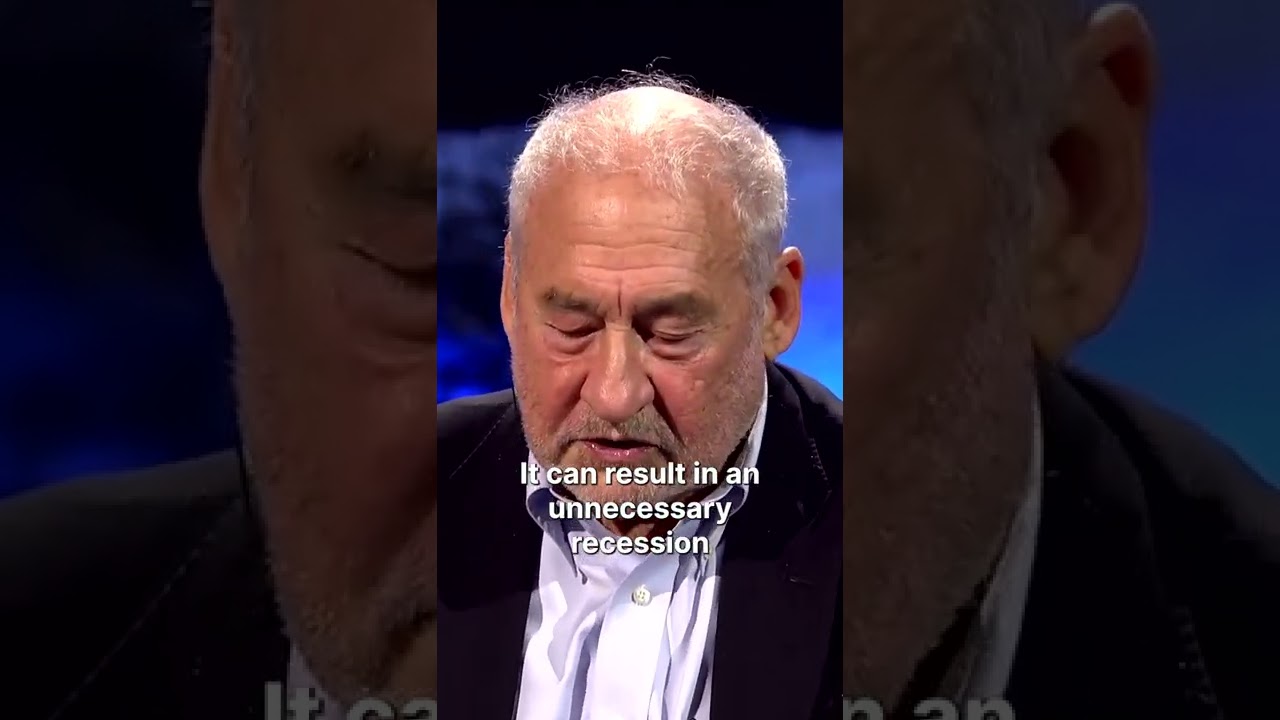

Title: The Case Against Interest Rate Hikes: Perspectives from Joseph Stiglitz
In recent months, central banks around the world have faced mounting pressure to raise interest rates in response to rising inflation and a recovering economy. However, renowned economist and Nobel laureate Joseph Stiglitz has voiced strong opposition to this approach, arguing that increasing interest rates could stifle economic growth and exacerbate inequality.
Understanding Stiglitz’s Position
Joseph Stiglitz, a prominent figure in the field of economics, has long been an advocate for progressive policies that promote social equity and sustainable growth. His skepticism about raising interest rates stems from several key concerns that merit serious consideration.
1. Impact on Economic Recovery
Stiglitz emphasizes that the global economy is still in a fragile recovery phase following the significant disruptions caused by the COVID-19 pandemic. He argues that raising interest rates too soon could hinder investment and consumption, essential pillars for sustained economic growth. A higher cost of borrowing may deter businesses from expanding and could lead consumers to cut back on spending, ultimately slowing down the recovery process.
2. Inflation and Its Drivers
While inflation has surged in many economies, Stiglitz suggests that the current rise in prices is not solely linked to demand-pull factors typically associated with a booming economy. Instead, he points to supply chain disruptions, labor shortages, and increased costs of production as significant contributors to inflation. Thus, addressing these structural issues may be more effective than simply increasing interest rates, which could be more of an overreaction than a solution.
3. Inequality Concerns
Stiglitz highlights the risk that higher interest rates tend to disproportionately affect lower-income households and marginalized communities. These groups are often more sensitive to changes in borrowing costs, and a rate hike could exacerbate existing inequalities. By making loans more expensive for individuals and small businesses, a rate increase could stifle opportunities for economic mobility and entrepreneurship.
4. Global Economic Dynamics
In a highly interconnected global economy, Stiglitz warns that unilateral hikes in interest rates by central banks could lead to adverse effects on capital flows and currency valuations. Such moves may strengthen a currency at the expense of domestic manufacturers who rely on competitive exchange rates to support exports. Furthermore, many emerging economies may face capital outflows, leading to instability in their markets.
Seeking Alternative Solutions
Instead of raising interest rates, Stiglitz advocates for targeted fiscal policies aimed at addressing the root causes of inflation and fostering inclusive growth. Measures such as increased public investment in infrastructure, education, and health care can stimulate job creation and improve productivity without destabilizing the economy.
Moreover, strengthening social safety nets and investing in renewable energy and technology can create a sustainable growth strategy that benefits all sectors of society, rather than just the financial markets.
Conclusion
Joseph Stiglitz’s arguments against raising interest rates present a compelling case for a more nuanced approach to economic policy. As central banks grapple with the challenges of inflation and recovery, it is essential to consider the broader implications of interest rate hikes and explore solutions that drive sustainable growth while addressing disparities in wealth and opportunity.
Raising interest rates is often seen as a straightforward tool for managing inflation, but as Stiglitz warns, the economic landscape is far more complex. Balancing growth, equality, and stability requires a multifaceted strategy that looks beyond traditional monetary policy solutions, fostering a more just and resilient economy for all.
LEARN ABOUT: Investing During Inflation
REVEALED: Best Investment During Inflation
HOW TO INVEST IN GOLD: Gold IRA Investing
HOW TO INVEST IN SILVER: Silver IRA Investing




The cost of capital barely factors into it. If I take out a private loan from you that I will pay off in 15 years, what interest rate are you going to charge me? You look ahead 15 years and try to imagine what the money will be worth. Government spending is hyperbolic. We're 34T in debt and growing rapidly. And the government itself appears to be controlled by people who somehow don't see this as a problem. So any sane person's prediction of 15 years ahead is that their money will be worth less than half of its current value at most. The fed rate doesn't hardly factor into this.
so here we are go again!!
You would think as old as he is he would know that it's a process that has been repeated throughout time especially after the Republican party took us off the gold standard see we don't want to talk about that one right there