
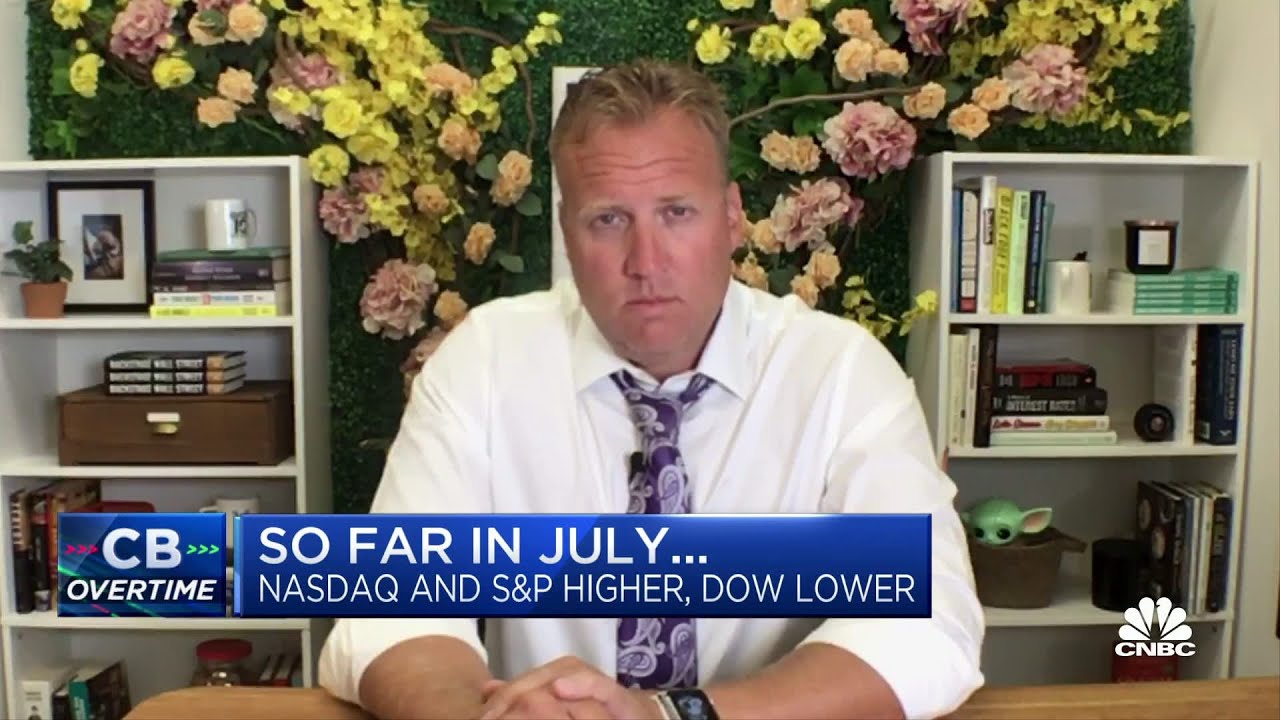

Josh Brown: Tackling the Wage-Price Spiral
Introduction
As the global economy continues to rebound from the pandemic, financial analysts and economists are increasingly focused on persistent inflationary pressures. Renowned investment strategist Josh Brown, CEO of Ritholtz Wealth Management, has taken a keen interest in one of the central issues surrounding current economic discourse—the wage-price spiral. In a recent discussion, Brown articulated his views on why this phenomenon may prove to be the stickiest challenge faced by policymakers in the near future.
Understanding the Wage-Price Spiral
The wage-price spiral refers to the dynamic interplay between rising wages and escalating prices. When wages increase, consumers typically have more disposable income, driving demand for goods and services. This heightened demand, in turn, can lead to higher prices as businesses respond to the influx of consumer spending. As prices rise, workers may demand higher wages to keep up with the cost of living, thus continuing the cycle.
This cyclical relationship creates a feedback loop that can perpetuate inflation, making it challenging for central banks to stabilize the economy. It’s a notable concern in a rebound era marked by labor shortages, changing consumer habits, and the lingering effects of pandemic-induced supply chain disruptions.
Current Economic Context
Global economies, particularly the United States, have been grappling with inflation that surged to levels not seen in decades. Key drivers of this inflation include supply chain bottlenecks and increased consumer spending, further exacerbated by generous fiscal policies during the pandemic. As of late 2023, wages in many sectors are rising, driven by a tight labor market and the demand for skilled workers.
In this context, Brown argues that the wage-price spiral could be the "stickiest thing" to manage as we transition into a more stabilized economic environment. Addressing inflation is a multifaceted challenge; however, the interconnectedness of wages and prices complicates the formulation of effective monetary policy.
The Challenges Ahead
Brown highlights several key challenges that policymakers face as they attempt to rein in inflation without stifling economic growth:
-
Labor Market Dynamics: A historically low unemployment rate, combined with ongoing labor shortages, places upward pressure on wages. As organizations compete for talent, businesses may face higher operational costs that could be passed on to consumers in the form of higher prices.
-
Consumer Expectations: If consumers expect prices to keep rising, their behavior patterns change; they may accelerate spending in anticipation of future price increases, thereby further fueling inflation. This consumer mindset can become ingrained, complicating efforts to control inflation.
- Policy Response Timing: Implementing and communicating monetary policy changes, such as interest rate hikes, is a delicate balancing act. Delayed responses can lead to entrenched inflationary expectations, while overly aggressive measures can curtail growth and employment, potentially tipping the economy into recession.
Brown’s Outlook
In his analysis, Brown posits that tackling the wage-price spiral will require a combination of strategic policymaking and proactive communication from central banks. A clear understanding of inflation drivers and an openness to adjusting strategies in response to evolving economic conditions will be crucial.
Furthermore, Brown stresses the importance of fostering a sustainable recovery that addresses underlying wage disparities while supporting businesses in adapting to new economic realities. He advocates for a comprehensive approach, including investment in training and education, to enhance workforce skills and productivity—key components in fostering long-term economic stability.
Conclusion
As we look ahead, the challenges posed by the wage-price spiral will demand careful consideration and strategy from economists and policymakers. Josh Brown’s insights shine a light on the intricate web of factors contributing to persistent inflationary pressures and underscore the need for a nuanced understanding of economic dynamics.
Navigating this landscape will require collaboration, adaptability, and a commitment to fostering an equitable economic environment that benefits both consumers and businesses alike. In doing so, we may yet break the cycle of rising wages and prices, paving the way for a sustainable economic recovery.
LEARN ABOUT: Investing During Inflation
REVEALED: Best Investment During Inflation
HOW TO INVEST IN GOLD: Gold IRA Investing
HOW TO INVEST IN SILVER: Silver IRA Investing




The economy and markets will survive this correction but the more pressing problem for average Americans is the increasing corporate meddling with housing and double digit rent increases year after year. Capitalism is destructive when greed is introduced and should be kept out of the food, shelter and health markets. Cheap money is largely responsible for the real estate debacle soon to be further escalated by the 0 money down plan by B of A.
You know what the saddest part of all this is? The ONLY thing we SHOULD be talking about is ABOLISHING the Federal Reserve.
Almost none of you realize the truth, and it legitimately hurts my soul.
You want to know what the Federal Reserve TRULY IS? A conglomerate of PRIVATELY OWNED banking dynasties/families which have direct influence over financial/monetary policy in this country.
Just think about that…That's a FACT.
We are allowing regular people, AND THEY ARE BANKERS, to determine course and policy with the entirety of our economy.
Just. Think. About. That.
I wouldn't trust these people to BABY-SIT my NEIGHBORS KID.
If you don't want to believe me, fine, here's what Thomas JEFFERSON had to say about centralized banking: " If the American people ever allow private banks to control the issue of their currency, first by inflation, then by deflation, the banks and corporations that will grow up around (these banks) will deprive the people of all property until their children wake up homeless on the continent their fathers conquered."
You people don't understand. Wealth, happiness, and opportunity is being siphoned out of this country, and the Fed is the weapon which does it.
Lets not fight it. Teachers and others still need raises
The professor reminds me of my rent collector. Educational smart but critically clueless. A unique juxtapose…
For us poor people, recession started in January…
There might be an economical turmoil but there is no doubt that this is still the best time to invest.
OMG Josh is so smart! it really makes you wonder – why is he sharing these unparalleled insights? Answer: He is a glorified retail trader. No way does he manage smart money being o CNBC every single day…stone cold dumb dumb
PCE