
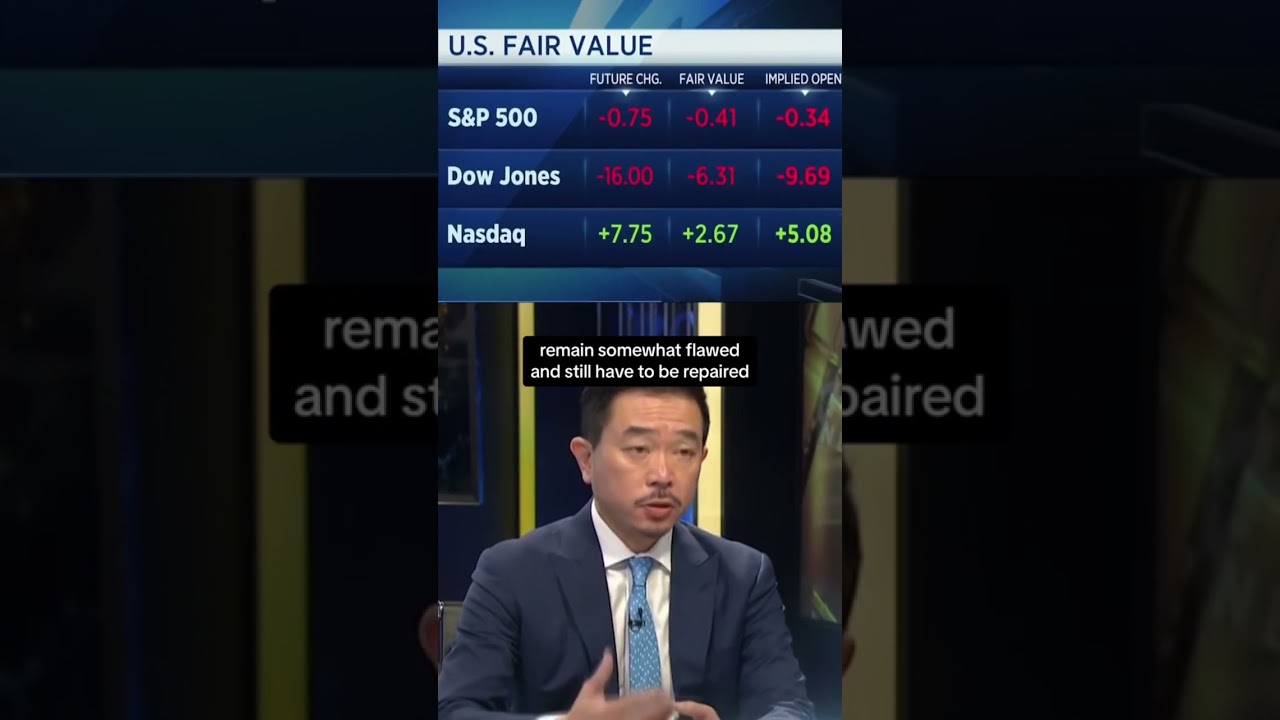

JPMorgan Strategist Warns: US Recession Likely on the Horizon
The economic landscape is looking increasingly precarious, and one Wall Street heavyweight is sounding the alarm. Jonathan Liang, a strategist at JPMorgan, is predicting a recession for the U.S. economy, likely hitting in late 2023 or early 2024. This forecast comes as the Federal Reserve continues its aggressive campaign to combat inflation, raising interest rates at a pace not seen in decades.
Liang’s prediction isn’t based on gut feeling alone. He cites a confluence of factors pointing towards an economic downturn. Primarily, the Federal Reserve’s monetary tightening is expected to further cool down an already slowing economy.
The Fed’s Tightrope Walk:
The Fed is caught in a delicate balancing act. On one hand, inflation, while showing signs of cooling, remains stubbornly high, eroding purchasing power and threatening long-term economic stability. On the other hand, aggressively raising interest rates to curb inflation risks choking off economic growth and pushing the country into a recession.
Liang believes the Fed’s commitment to taming inflation, coupled with the lag effect of monetary policy, will inevitably lead to a downturn. Higher interest rates make borrowing more expensive, impacting everything from mortgage rates to business investments. This can lead to reduced consumer spending, slower business expansion, and ultimately, job losses.
Key Factors Contributing to Recessionary Fears:
Besides the Fed’s actions, Liang points to other contributing factors fueling his recessionary outlook:
- Weakening Global Growth: The global economy is already facing headwinds, with Europe grappling with an energy crisis and China struggling with ongoing COVID-related lockdowns and a property market downturn. These global pressures further dampen U.S. growth prospects.
- Declining Consumer Confidence: Inflation has taken a toll on consumer sentiment. High prices for essentials like food and gas are squeezing household budgets, leading to decreased discretionary spending.
- Inventory Correction: After a period of rapid inventory buildup during the pandemic, companies are now working to reduce their stockpiles. This can lead to decreased production and further slowdowns in the economy.
- Slowing Housing Market: Rising mortgage rates are already impacting the housing market, with sales declining and prices cooling. This slowdown can have a significant impact on the broader economy due to the housing sector’s linkages to other industries.
What to Expect During a Recession:
While predicting the exact timing and severity of a recession is notoriously difficult, Liang’s forecast suggests a period of slower economic growth, increased unemployment, and potentially declining corporate profits.
- Job Losses: Businesses may be forced to cut costs, leading to layoffs and a higher unemployment rate.
- Reduced Spending: Consumers will likely tighten their belts, reducing spending on non-essential goods and services.
- Market Volatility: Financial markets are likely to experience increased volatility as investors grapple with uncertainty and adjust to the changing economic landscape.
Preparing for a Potential Downturn:
While a recession can be daunting, individuals and businesses can take steps to prepare:
- Build an Emergency Fund: Having a financial cushion can provide security and peace of mind during times of economic uncertainty.
- Reduce Debt: Paying down high-interest debt can free up cash flow and reduce financial vulnerability.
- Diversify Investments: Spreading investments across different asset classes can help mitigate risk.
- Businesses Should Focus on Efficiency: Streamlining operations and controlling costs can help businesses weather the storm.
The Takeaway:
Jonathan Liang’s prediction of a U.S. recession in late 2023 or early 2024 underscores the growing concerns surrounding the health of the American economy. While no forecast is guaranteed, his analysis highlights the significant challenges facing the Fed and the potential for a downturn. By understanding the factors contributing to recessionary fears and taking proactive steps, individuals and businesses can better prepare for a potentially challenging economic period. Ultimately, whether the U.S. successfully navigates this challenging environment remains to be seen, but Liang’s warning serves as a stark reminder of the risks ahead.
LEARN MORE ABOUT: Investing During Inflation
REVEALED: Best Investment During Inflation
HOW TO INVEST IN GOLD: Gold IRA Investing
HOW TO INVEST IN SILVER: Silver IRA Investing




We have been in a recession since Last year
$35 trillion in debt- we THINK there might be a recession…..OR….just keep printing hundred dollar bills that are actually worth about $60.
Lol
95% of economists are wrong about their predictions.
Lmao! Aged like milk
This didn't age well. I am sick of these so called experts predicting recessions . They should get a job at weather bureau.
it's not gonna be a recession, it's gonna be a depression.
Via the elitists that want more money beyond the price gouged market the U.S. has been in for the last 23+ years
Collapse is near !!!!!
Were in a war with China and a Chinese guy who sits in a high chair at J.P. Morgan is telling us that a recession is on the way. I can't be the only one picking up on this…..
While investor confidence is now high despite adverse fundamentals. This guy may be right, I believe we are headed towards a global recession and not just the US, even European regions are likely to face a recession. It will be too late when the market realizes this fact.
Wait until more consumers stop spending. The great recession is going to look like a fun time
Soooooo. ….what you're saying is ….that it's OBVIOUS that the US "government" has lied, REPEATEDLY, REPEATEDLY, and that is what will bring a recession. Well FUCKIN NO DOUBT
the driving force in leftist inflation the terrorism on the poor and middle class
they just love touting 'recession' to get attention
Anyone know the lingo here regarding "flawed" bank balance sheets? What flaws might be present?
Oh.. I hope so! Trump2024
What about Civil War???