
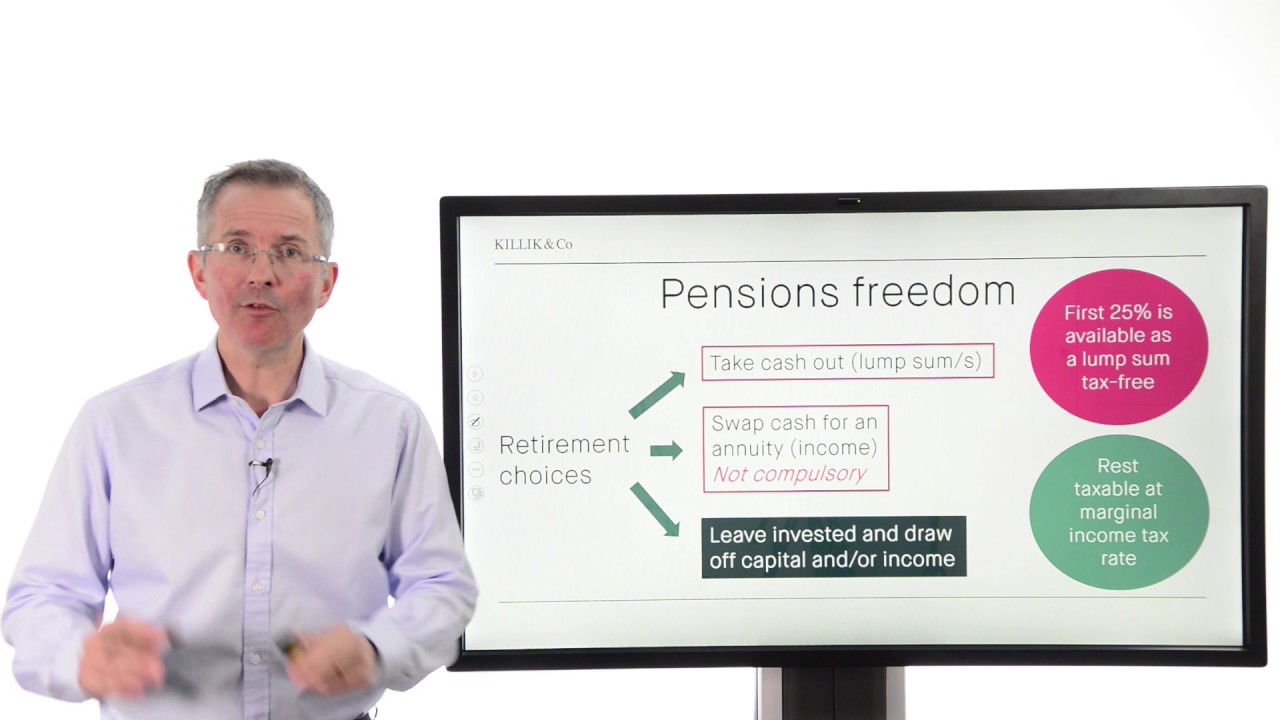

Killik Explains: How Pension Drawdown Works
When it comes to retirement planning, understanding how to access your pension savings is crucial. One of the most popular methods for doing so is through pension drawdown. This approach allows retirees to withdraw money from their pension pots while allowing the remaining funds to remain invested. In this article, we’ll explore what pension drawdown is, how it works, and the considerations you should keep in mind.
What is Pension Drawdown?
Pension drawdown is a way for individuals to access their pension funds upon retirement while still keeping them invested. Instead of purchasing an annuity (which provides a guaranteed income for life), pension drawdown offers the flexibility to take withdrawals as needed. This method is particularly appealing in the context of increasing life expectancies and changing financial needs.
How Pension Drawdown Works
-
Pension Pot Access: Once you reach the age of 55 (or 57 from 2028), you can access your pension pot. This can include money from various pension schemes, such as workplace pensions, personal pensions, and self-invested personal pensions (SIPPs).
-
Tax-Free Lump Sum: You’re allowed to take up to 25% of your pension pot as a tax-free lump sum upon retirement. The remainder can be kept invested or drawn down as required.
-
Withdrawals: After taking the tax-free lump sum, you can withdraw money from your pension pot. Withdrawals can be taken as a lump sum or in regular income payments. The amount you withdraw is up to you, but it’s essential to ensure you balance your withdrawals with the need for your pension fund to last throughout your retirement.
- Investment Growth: One of the key advantages of drawdown is that the unwithdrawn portion of your pension pot remains invested, with the potential for growth. This can be beneficial in combating inflation and sustaining your income over time.
Types of Drawdown
There are two main types of pension drawdown:
-
Flexible Drawdown: This option allows you to withdraw any amount at any time, provided you have a secure income of at least £12,000 per year (as of 2023). This gives retirees significant flexibility but requires careful management of funds.
- Capped Drawdown: Under previous rules, capped drawdown allowed individuals to take a maximum withdrawal amount based on their life expectancy. Although this option is being phased out in favor of flexible drawdown, it’s essential for retirees to understand their options in light of new regulations.
Key Considerations
While pension drawdown provides flexibility and the potential for growth, it also carries certain risks and responsibilities:
-
Longevity Risk: Since you’re drawing funds from your pension pot, there’s a risk you could outlive your savings. Careful planning and realistic withdrawal rates are essential to mitigate this risk.
-
Investment Risk: The value of your remaining pension pot can fluctuate based on market performance. Therefore, it’s prudent to have a well-diversified investment strategy.
-
Tax Implications: Withdrawals from your pension pot are subject to income tax. It’s important to consider the tax consequences of your withdrawals to avoid unexpected tax liabilities.
- Regulatory Changes: Always be aware of changes in pension regulations and drawdown options. Regularly reviewing your pension plans with a financial advisor can help ensure you remain compliant and optimize your retirement income.
Conclusion
Pension drawdown can be a powerful tool in managing your retirement finances. It provides flexibility and the opportunity for growth, making it an attractive choice for many retirees. However, it’s essential to approach it with caution and consideration. Understanding both the benefits and risks can help you make informed decisions that support your financial wellbeing throughout your retirement years. Consulting with a financial advisor can further enhance your understanding and help you implement a drawdown strategy that aligns with your individual needs and goals.
LEARN MORE ABOUT: Retirement Pension Plans
REVEALED: Best Investment During Inflation
HOW TO INVEST IN GOLD: Gold IRA Investing
HOW TO INVEST IN SILVER: Silver IRA Investing




Say you have 200k in your pension pot
You retire at 60
And you take 25 percent tax free ( which is 50k) leaving 150k in your pot
Then 3 months later your die
What happens to the 150k in your pot if you are single ??
Can you take up to 25% tax free in drawdown each tax year or is it just a one off tax free withdrawal
You're not really explaining or discussing pension drawdown here at all.
Great video. Very well presented and helpful.
I would be interested on your thoughts on borrowing money to pay into a company pension scheme example get secured loan of 120k against house then invest 40k/year into pension scheme get 25% tax free plus 40% tax relief + 8% investment return then payback loan with 25% tax free cash
Thanks, that was a good intro. Very useful 🙂
The cash that feeds the pension over many years is taxed after you earn it then taxed again when you draw it.
You can see why some people dont both with a pension with all this bullshit.
Pensions….what a great idea…..for the investment companies. 40 to 50 years of payments and probably 70 to 80 year’s of commission payments. How many companies can get a more or less stable income stream from their customers for such a period?
Final salary pensions are a bit of a scam in my opinion. You Pay in for example 35 years. You retire and get your lump sum and start taking your pension (normally half your working wage) You die within the year. Immediately the pension is worth (evaporates) to Half. Then your wife lives maybe another 5 years on your half pension and she dies. The Pension dies with her! 35 years of invested money gone!!! The reason they were popular in the past was because most men were dead by 65ish so the fund was always well funded. Now more men (but not all all) live longer the pension funds are whining and employers have mostly closed them all. They worked on the assumption you paid in all your working life but died within a few years of retiring hence keeping the pension pot full of your money for the odd person who lived to 95.
Get your own back …….live to be120yo!
No mention of how fees charged to manage funds further erode the growth of a fund.
Two points.
1 = You could get run over by a tram next week .
2 = Those grinning idiots with sweet F.A. stood drinking in spoonies seem happy enough.
I am a 40% tax payer and I would be interested to see a presentation on only taking the Tax Free cash and leavening the rest as a hedge against IHT
Strategy = eat lentils
4% Rule.