
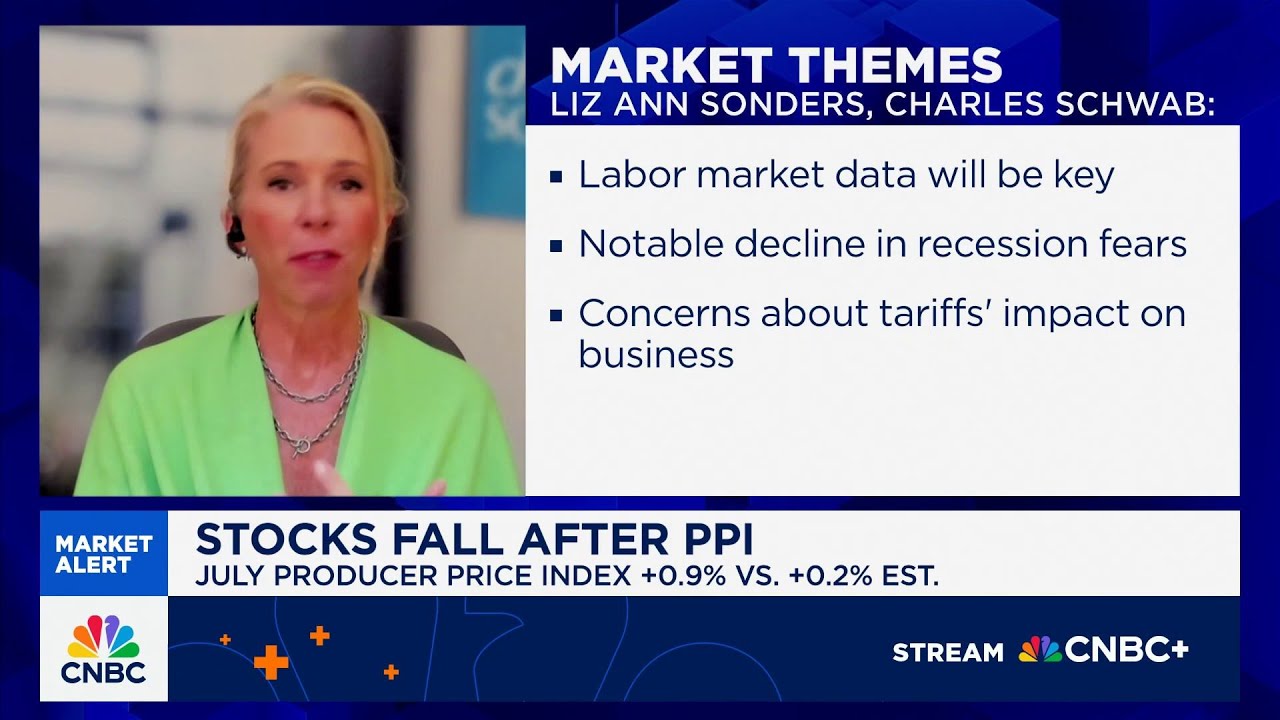

Liz Ann Sonders: Labor Market Data Will Be Key for Market Direction
In the ever-complex landscape of financial markets, navigating the nuances of economic indicators is crucial. And according to Charles Schwab’s Chief Investment Strategist, Liz Ann Sonders, all eyes should be on the labor market. In recent interviews and market commentary, Sonders has repeatedly emphasized the pivotal role labor market data will play in shaping the Federal Reserve’s monetary policy and, consequently, influencing market direction.
Sonders argues that while inflation has shown signs of cooling, the labor market remains surprisingly resilient. This strength, characterized by low unemployment rates and persistent wage pressures, is creating a tricky balancing act for the Fed. The central bank’s mandate is to achieve price stability, but aggressively tightening monetary policy to curb inflation risks pushing a strong labor market into a recession.
“The Fed is in a tough spot,” Sonders often states. “They need to see more definitive signs of weakening in the labor market to feel comfortable pivoting away from their hawkish stance.”
Why the Labor Market Matters So Much:
Several factors underscore the importance of labor market data in the current economic climate:
- Inflationary Pressures: A tight labor market empowers workers to demand higher wages. These rising wages can contribute to a wage-price spiral, where businesses pass on increased labor costs to consumers in the form of higher prices, further fueling inflation.
- Consumer Spending: A healthy labor market typically translates to higher consumer confidence and increased spending. Consumer spending is a significant driver of the U.S. economy, making it a crucial indicator for overall economic health.
- Fed Policy Decisions: The Federal Reserve relies heavily on labor market data to gauge the overall strength of the economy and to inform its decisions regarding interest rate hikes. Weakening labor market data could signal the need for a pause or even a pivot to a more dovish monetary policy.
What to Watch For:
Sonders advises investors to closely monitor a range of labor market indicators, including:
- Unemployment Rate: A rise in the unemployment rate would signal a weakening labor market.
- Job Openings: A decline in job openings suggests that employers are becoming more cautious about hiring.
- Average Hourly Earnings: A slowdown in the growth of average hourly earnings indicates easing wage pressures.
- Initial Jobless Claims: An increase in initial jobless claims, the number of people filing for unemployment benefits for the first time, can be an early warning sign of layoffs.
- Nonfarm Payrolls: The monthly nonfarm payrolls report, which tracks the number of jobs added or lost in the economy, is perhaps the most closely watched labor market indicator.
Implications for Investors:
Sonders believes that the direction of the labor market will have significant implications for investors:
- Continued Strength: If the labor market remains strong, the Fed is likely to continue raising interest rates, which could put downward pressure on stock prices and increase bond yields.
- Weakening Signs: If the labor market shows signs of weakening, the Fed may pause or even reverse its tightening cycle, which could be a positive catalyst for stock prices and a drag on bond yields.
A Word of Caution:
While the labor market is undoubtedly a crucial indicator, Sonders also cautions against relying on it solely. She emphasizes the importance of considering a broad range of economic data and remaining flexible in investment strategies.
“Investing in this environment requires a balanced approach,” she advises. “Don’t get too bullish or too bearish based on a single data point. Stay diversified and be prepared to adjust your portfolio as the economic picture evolves.”
In conclusion, Liz Ann Sonders’ focus on the labor market highlights its crucial role in determining the future direction of the economy and financial markets. By carefully monitoring key labor market indicators, investors can gain valuable insights into the Fed’s potential policy moves and position themselves to navigate the challenges and opportunities ahead.
LEARN MORE ABOUT: Investing During Inflation
REVEALED: Best Investment During Inflation
HOW TO INVEST IN GOLD: Gold IRA Investing
HOW TO INVEST IN SILVER: Silver IRA Investing




0 Comments