
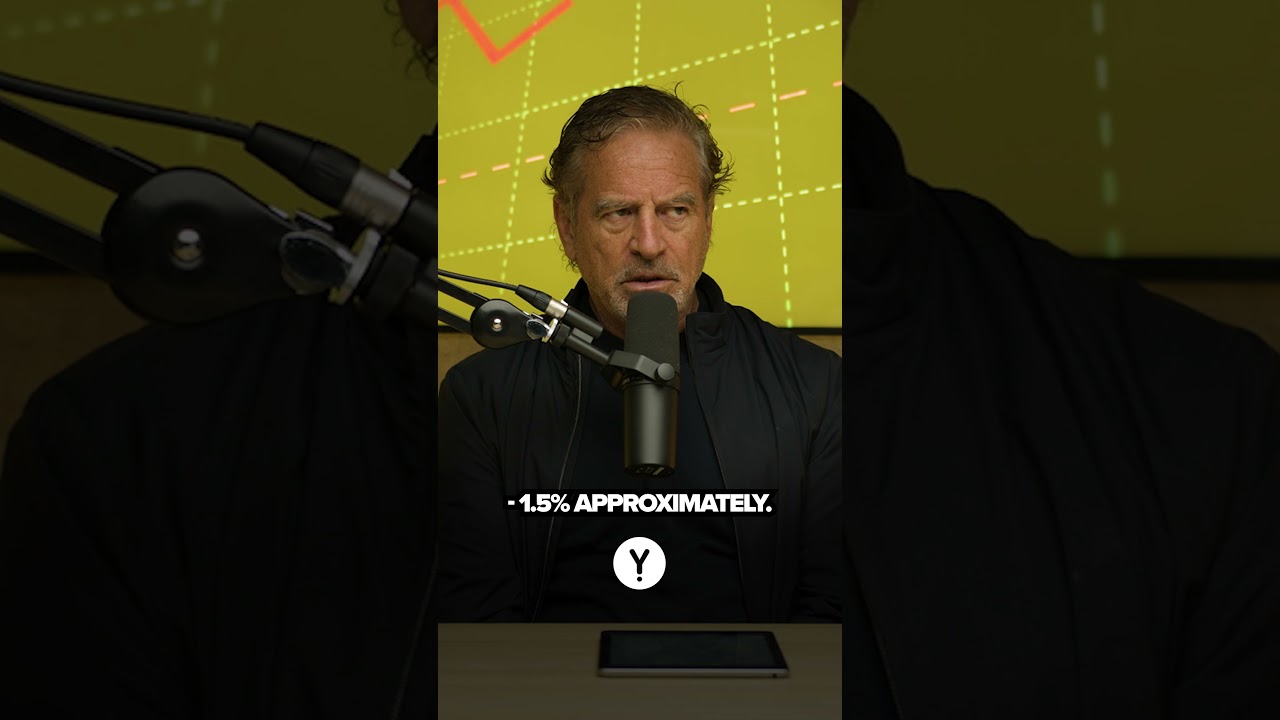

Property Insights: GDP Numbers REALLY Weak – What It Means for You
Mark Bouris and Stephen Koukoulas dissect the concerning GDP figures and their potential impact on the property market and your investments.
The latest GDP figures have landed, and they paint a worrying picture. While headlines might tout a positive number, a closer look reveals a stark reality: the engine room of the Australian economy is struggling. In this week’s installment of Property Insights, Mark Bouris and Stephen Koukoulas delve into the details, explaining why these numbers are “REALLY weak” and what it could mean for your property investments and overall financial well-being.
Beyond the Headline: Unpacking the Weakness
“The headline number can be misleading,” explains Stephen Koukoulas, renowned economist and market commentator. “You might see a positive GDP figure, but digging deeper shows that this growth is being propped up by government spending and population growth, not by genuine economic momentum.”
Mark Bouris, prominent businessman and financial advisor, echoes this sentiment. “We need to look beyond the surface. Consumer spending, business investment, and productivity growth are all vital for a healthy economy, and these are areas where we’re seeing significant weakness. The lack of real wage growth is also a major contributing factor, squeezing household budgets and impacting spending decisions.”
Key Takeaways from the GDP Data:
- Stagnant Consumer Spending: Despite population growth, consumer spending is barely keeping its head above water. This indicates a lack of confidence in the economy and a reluctance to spend, driven by factors like high inflation and rising interest rates.
- Weak Business Investment: Businesses are hesitant to invest in new projects and expansion. This is a concerning sign, as it suggests a lack of confidence in future economic prospects and could lead to slower job creation.
- Low Productivity Growth: Australia has been grappling with low productivity growth for years. This means we’re not getting as much output for our input, hindering our ability to compete on the global stage and dampening overall economic growth.
- Reliance on Government Spending: While government spending can provide a temporary boost, it’s not a sustainable long-term solution. Relying on government intervention masks underlying weaknesses and can lead to further economic imbalances.
Impact on the Property Market
So, what does all this mean for the property market? Bouris and Koukoulas highlight several potential implications:
- Slower Price Growth: With stagnant consumer spending and weak economic growth, the demand for housing could soften, leading to slower price growth or even price corrections in certain markets.
- Increased Mortgage Stress: Rising interest rates combined with a stagnant economy are putting immense pressure on households with mortgages. This could lead to an increase in mortgage defaults and forced sales, potentially impacting property values.
- Impact on Rental Market: While the rental market has been tight, a weakening economy could lead to job losses and reduced migration, potentially easing rental pressures and impacting rental yields.
- Regional Variations: The impact of the weak GDP numbers will likely be felt differently across different regions. Areas heavily reliant on specific industries might be more vulnerable to economic slowdowns.
Navigating the Current Landscape: Advice from the Experts
Given the current economic climate, Bouris and Koukoulas offer some practical advice for property owners and investors:
- Review your finances: Assess your current financial situation, including your mortgage repayments, expenses, and income. Develop a budget and identify areas where you can cut back.
- Don’t panic: Avoid making rash decisions based on short-term market fluctuations. Long-term property investment requires patience and a strategic approach.
- Seek professional advice: Consult with a financial advisor and property expert to develop a personalized investment strategy that aligns with your risk tolerance and financial goals.
- Focus on quality assets: Invest in well-located properties with strong fundamentals that are likely to hold their value even in a downturn.
- Consider diversification: Don’t put all your eggs in one basket. Diversify your investments across different asset classes to mitigate risk.
The Bottom Line
The latest GDP numbers are a wake-up call, highlighting the underlying weaknesses in the Australian economy. While the property market has shown resilience, it’s not immune to economic headwinds. By understanding the implications of these weak GDP figures and taking proactive steps to manage your finances and investments, you can navigate the current landscape and position yourself for long-term success.
Stay tuned for more Property Insights with Mark Bouris and Stephen Koukoulas, where we’ll continue to dissect the latest market trends and provide you with the knowledge you need to make informed decisions.
LEARN MORE ABOUT: Investing During Inflation
REVEALED: Best Investment During Inflation
HOW TO INVEST IN GOLD: Gold IRA Investing
HOW TO INVEST IN SILVER: Silver IRA Investing




Look how much money companies are making and that all flows to the top 1 % of the society
Rba doesn’t care