
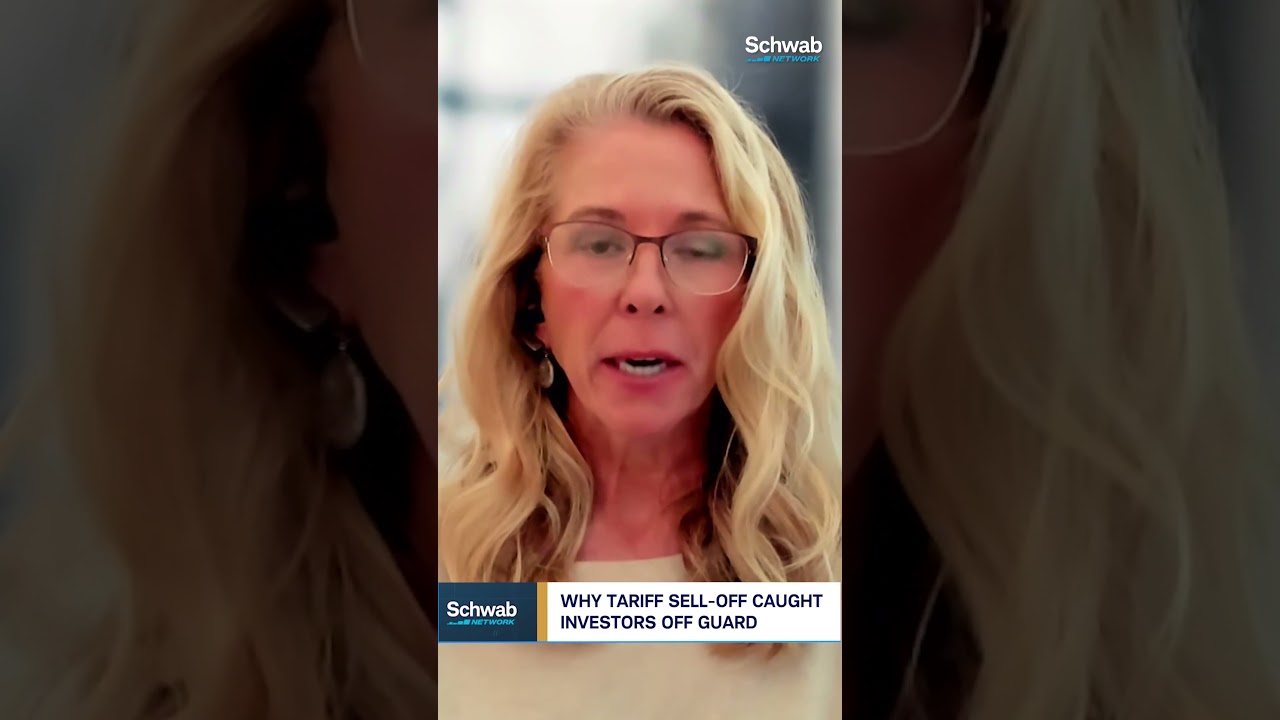

“Didn’t Have the Extremes Priced In”: The Risky World of #Shorts Finance
You’ve probably seen them scrolling by on TikTok or YouTube: snappy, high-energy finance videos labeled with the hashtag #shorts. They promise quick insights, trading tips, and predictions about the market’s next big move. But a growing trend, often summarized by the phrase “Didn’t Have the Extremes Priced In,” reveals a potential danger lurking within these bite-sized pieces of financial advice.
“Didn’t Have the Extremes Priced In” essentially means that the widely predicted, consensus view of a market doesn’t account for the possibility of truly radical, unexpected events. It suggests that market participants are often too optimistic, complacent, or simply lack the imagination to anticipate truly catastrophic or wildly positive scenarios.
Why is this relevant to #shorts finance?
Here’s the issue: Many #shorts focusing on investing tend to gravitate towards:
- Simplified Narratives: Simplifying complex market dynamics into easily digestible, but often inaccurate, explanations.
- Momentum Trading: Focusing on current trends and short-term price movements, often ignoring underlying fundamentals.
- Emotional Appeals: Using fear of missing out (FOMO) or instant gratification to encourage impulsive investment decisions.
- Oversimplified Risk Assessments: Rarely fully explaining the potential downsides of a particular investment strategy.
These characteristics can create a dangerous echo chamber, reinforcing a belief that “the market will always go up” or that “a specific stock is guaranteed to be a winner.” They often fail to consider the possibility of black swan events, unexpected economic shocks, or even simple market corrections.
The Danger of Ignoring the Extremes
When the consensus view, fueled by #shorts hype, fails to account for extreme possibilities, it leaves investors vulnerable to significant losses. If everyone is bullish on a stock because of a viral #short, the price may be artificially inflated. When a negative event occurs, those who “Didn’t Have the Extremes Priced In” are often caught off guard, leading to panic selling and substantial financial damage.
Examples in Action:
- Meme Stock Mania: Remember the GameStop saga? While some made fortunes, many latecomers, spurred on by #shorts hype, lost significant amounts of money when the stock price inevitably plummeted. The possibility of regulatory action or a shift in online sentiment wasn’t adequately “priced in.”
- Crypto Crashes: The volatile nature of cryptocurrency makes it particularly susceptible to extreme fluctuations. Many #shorts promoted specific coins without properly warning about the risks of rug pulls, hacks, or significant regulatory changes.
- Market Bubbles: The housing crisis of 2008 offers a stark example. The idea that housing prices would “always go up” was prevalent, and the potential for a widespread mortgage crisis wasn’t factored into the market’s expectations.
How to Protect Yourself:
- Question Everything: Don’t blindly trust financial advice from #shorts. Treat them as entertainment, not gospel.
- Do Your Own Research: Verify information from multiple sources and consult with qualified financial advisors.
- Understand Risk Tolerance: Assess your own financial situation and risk appetite before making any investment decisions.
- Consider “What If” Scenarios: Actively think about potential negative events that could impact your investments.
- Diversify Your Portfolio: Don’t put all your eggs in one basket. Spread your investments across different asset classes.
- Be Wary of FOMO: Resist the urge to jump on the bandwagon based on hype alone.
Conclusion:
While #shorts finance can be entertaining and informative, it’s crucial to recognize its limitations. The phrase “Didn’t Have the Extremes Priced In” serves as a valuable reminder that markets are complex and unpredictable. By being skeptical, doing your own research, and considering potential risks, you can better protect yourself from the dangers of blindly following trends and avoid becoming a victim of the next unexpected market shock. Remember, responsible investing requires critical thinking and a healthy dose of skepticism, even when the information comes in a catchy 60-second video.
LEARN MORE ABOUT: Investing During Inflation
REVEALED: Best Investment During Inflation
HOW TO INVEST IN GOLD: Gold IRA Investing
HOW TO INVEST IN SILVER: Silver IRA Investing




It's the entire market, get over it. Hold on and invest as you are able, it'll get better y'all
I'm a Schwabb investor….this is an absolute shit show.