

Secure Your Future: The Self-Employed Guide to Roth IRAs
Being your own boss is liberating. You set your own hours, pursue your passions, and reap the rewards of your hard work. But with the freedom of self-employment comes the responsibility of managing your own finances, and that includes planning for retirement. For freelancers, entrepreneurs, and small business owners, the Roth IRA can be a powerful tool for building a secure future.
Why Roth IRAs are a Smart Choice for the Self-Employed
Traditional retirement plans offered by employers (like 401(k)s) are often unavailable to those who work for themselves. This leaves many self-employed individuals scrambling to find suitable retirement savings options. Enter the Roth IRA.
Here’s why a Roth IRA is particularly attractive for the self-employed:
- Tax Advantages: This is the big draw. You contribute after-tax dollars, but your qualified withdrawals in retirement are completely tax-free. This can be a huge advantage if you anticipate being in a higher tax bracket during retirement.
- Flexibility: Unlike some retirement accounts, you can withdraw your contributions (not the earnings) at any time without penalty. This offers a safety net if you experience unexpected expenses or business downturns.
- Contribution Limits: While the annual contribution limit (currently $6,500 for 2023, with a $1,000 catch-up contribution for those 50 and older) might seem small, consistent contributions over time can compound significantly.
- Control: You have complete control over your investments within the Roth IRA. You can choose from a wide range of options, including stocks, bonds, mutual funds, and ETFs, allowing you to tailor your portfolio to your risk tolerance and investment goals.
- No Required Minimum Distributions (RMDs): Unlike traditional IRAs, you are not required to take distributions from your Roth IRA in retirement. This allows your investments to continue growing tax-free for longer.
Understanding the Contribution Limits and Income Restrictions
While the Roth IRA offers significant benefits, it’s crucial to understand the limitations:
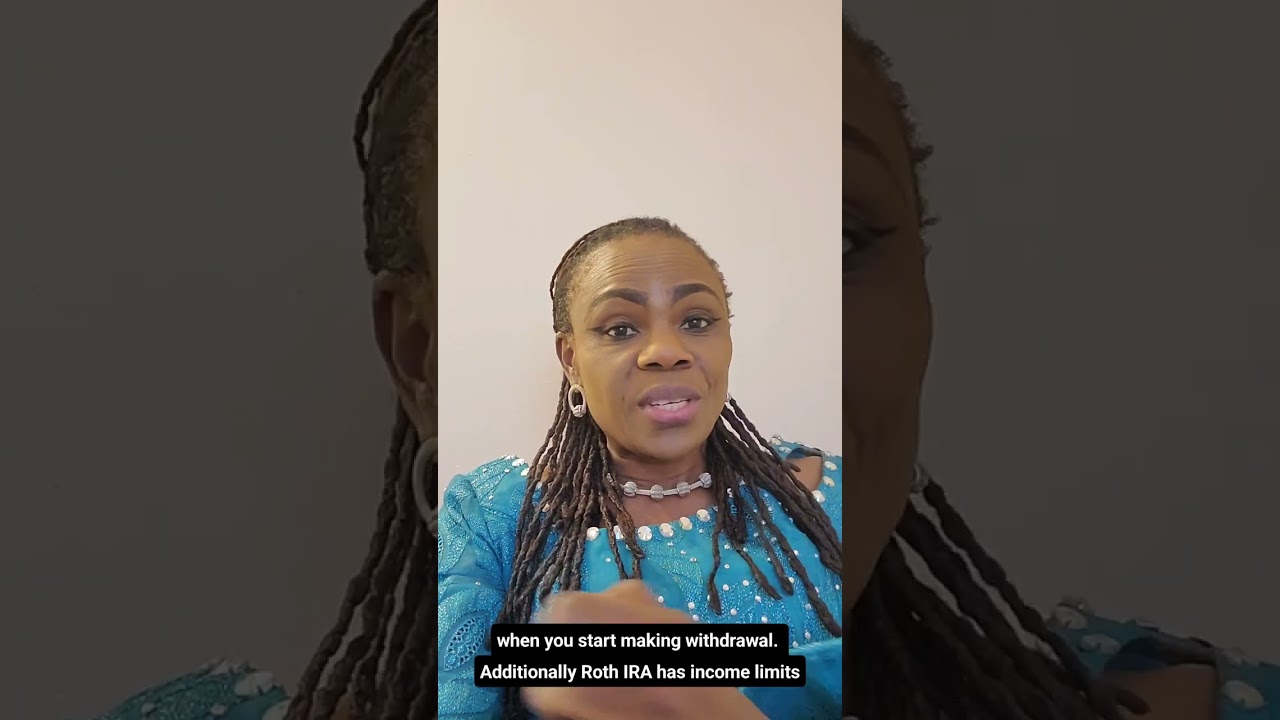
- Income Restrictions: There are income limitations that determine eligibility to contribute directly to a Roth IRA. For 2023, if your modified adjusted gross income (MAGI) is above a certain threshold, you may not be able to contribute the full amount, or contribute at all. Be sure to consult the IRS guidelines for the most up-to-date information.
- Contribution Deadline: You have until the tax filing deadline (typically April 15th) of the following year to contribute to your Roth IRA for the previous year.
Integrating a Roth IRA into Your Business Plan
Your retirement savings should be an integral part of your overall business plan. Here’s how to integrate a Roth IRA:
- Budgeting: Determine how much you can realistically contribute to your Roth IRA each year. Factor this into your business budget and treat it as a non-negotiable expense, just like rent or utilities.
- Cash Flow Management: Smooth out your income fluctuations. Set aside a portion of your earnings during high-income periods to ensure you have funds available for Roth IRA contributions throughout the year, even during slower periods.
- Financial Advisor: Consider consulting with a financial advisor who can help you determine the optimal investment strategy for your Roth IRA based on your risk tolerance, time horizon, and financial goals.
Using Credit Cards Wisely for Business and retirement planning
While you can’t directly fund a Roth IRA with a credit card, you can use credit cards strategically in your business to free up cash flow that can then be directed towards your retirement savings:
- Earning Rewards: Use a business credit card with rewards programs (like cashback or travel points) for business expenses. This can help you save money on everyday costs, allowing you to allocate more funds to your Roth IRA.
- Managing Expenses: Use your credit card for expense tracking and budgeting. Knowing where your money is going can help you identify areas where you can cut back and save for retirement.
- Building Credit: Responsible credit card use can help build your business credit score, which can be beneficial for securing loans and other financing options down the road.
Important Note: Avoid carrying a balance on your credit cards, as high-interest charges can quickly negate any rewards or benefits. Pay off your balance in full each month to maximize the advantages.
Conclusion: Invest in Your Future, Starting Today
Being self-employed requires a unique level of financial responsibility. A Roth IRA offers a powerful tool to secure your retirement and enjoy a financially comfortable future. By understanding the benefits, limitations, and integrating it into your overall business and financial plan, you can build a strong foundation for your long-term success. Don’t delay, start planning for your retirement today!
#businessadvice #retirement #selfemployed #businessplan #creditcard
LEARN MORE ABOUT: IRA Accounts
CONVERTING IRA TO GOLD: Gold IRA Account
CONVERTING IRA TO SILVER: Silver IRA Account
REVEALED: Best Gold Backed IRA



0 Comments