
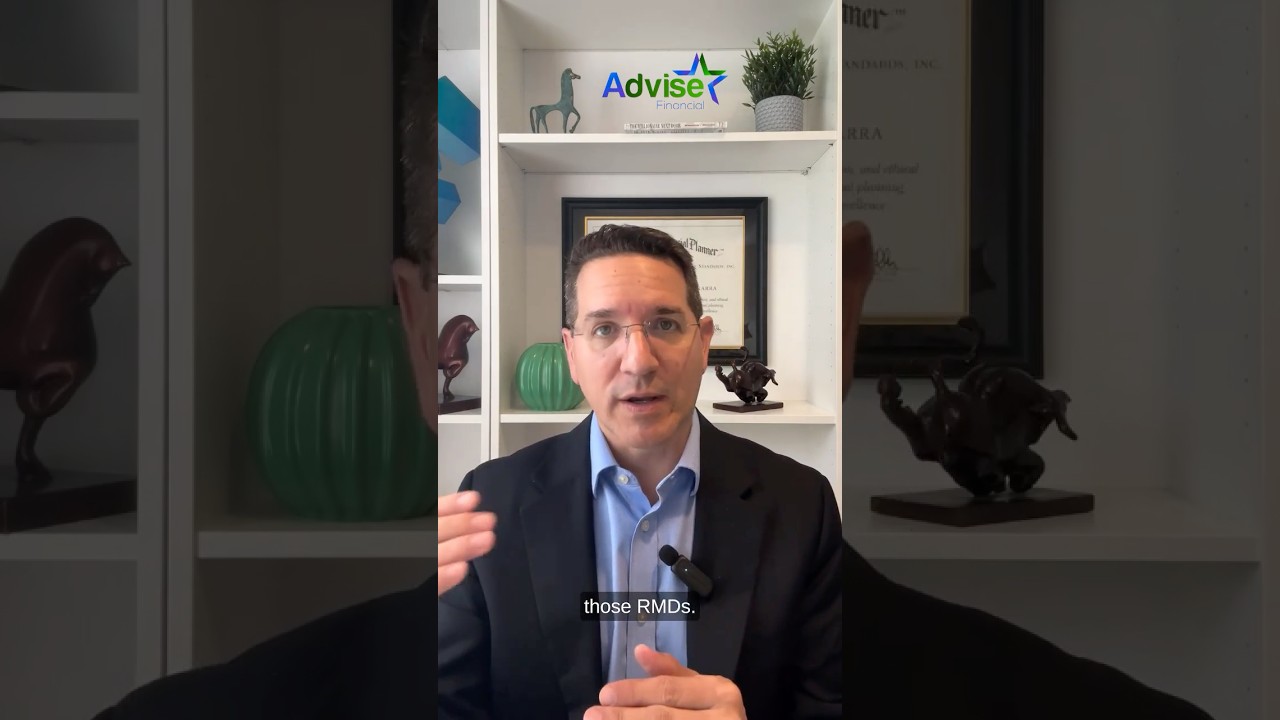

RMDs Coming? 3 Smart Moves to Make the Most of Them!
Turning 73? Or already navigating the world of Required Minimum Distributions (RMDs)? Congratulations, you’ve built a nest egg substantial enough to require Uncle Sam’s attention! But while RMDs might feel like a tax burden, with some smart planning, you can minimize their impact and even turn them into opportunities.
Required Minimum Distributions (RMDs) are mandatory withdrawals you must take annually from your tax-deferred retirement accounts, like Traditional IRAs, 401(k)s, and 403(b)s, once you reach a certain age (currently 73). The purpose is to ensure the government collects taxes on the money you’ve been deferring. Failure to take RMDs can result in steep penalties, so understanding the rules is crucial.
While you can’t avoid RMDs entirely, you can take steps to manage them effectively. Here are three smart moves to consider:
1. Strategic Tax Planning: Don’t Just Withdraw, Optimize!
The first step is understanding how RMDs will affect your overall tax picture. RMDs are taxed as ordinary income, meaning they could push you into a higher tax bracket. Therefore, careful planning is essential.
- Project Your Income: Before taking your RMD, estimate your total income for the year, including Social Security, pension payments, and any other taxable income. This will give you a clearer picture of your tax bracket.
- Consider Roth Conversions: If you’re younger than RMD age and anticipate being in a higher tax bracket in the future, consider converting some of your traditional IRA or 401(k) funds to a Roth IRA. You’ll pay taxes on the conversion now, but future withdrawals from the Roth IRA (including growth) will be tax-free. While you can’t convert RMD amounts directly, you can strategically convert other funds to minimize future RMD obligations.
- Bunch Charitable Contributions: If you itemize deductions and are charitably inclined, consider “bunching” your charitable donations into a single year to exceed the standard deduction. You can then deduct a larger amount, offsetting some of the RMD income.
- Qualified Charitable Distribution (QCD): If you’re 70 1/2 or older, you can directly donate up to $100,000 per year from your IRA to a qualified charity as a QCD. This allows you to satisfy your RMD requirement without adding to your taxable income. This is a powerful tool for charitably minded individuals.
2. Reinvest Your RMD: Turn a Withdrawal into an Opportunity!
Just because you have to withdraw the money doesn’t mean you have to spend it. Consider reinvesting your RMD into a taxable brokerage account. This allows you to:
- Continue Growing Your Wealth: While your RMD withdrawal will be taxed, any subsequent growth within the taxable account will continue to build your wealth.
- Diversify Your Investments: You can use the reinvested funds to diversify your portfolio beyond your retirement accounts, potentially improving your long-term returns.
- Leave a Legacy: Reinvesting your RMD allows you to build a taxable investment account that can be passed down to your heirs, providing them with an inheritance that might not have been possible if you simply spent the RMD funds.
3. Strategically Sequence Your Withdrawals: Choose the Right Accounts
You likely have multiple retirement accounts, each with its own tax implications. Careful sequencing of your withdrawals can significantly impact your overall tax burden.
- Withdraw from Tax-Advantaged Accounts First (If Possible): If you have multiple accounts subject to RMDs, consider drawing down from the accounts with the highest tax burden first. This might mean prioritizing withdrawals from your Traditional IRA over a Roth 401(k) (remember, Roth 401(k) RMDs are tax-free).
- Consider Health Savings Account (HSA): While not technically a retirement account, an HSA can function as one. Contributions are tax-deductible, growth is tax-deferred, and withdrawals are tax-free if used for qualified medical expenses. Strategically timing your HSA withdrawals alongside your RMDs can help manage your overall tax liability.
- Factor in Estate Planning: Your withdrawal strategy should also align with your estate planning goals. Consider how different assets will be taxed when passed down to your heirs.
Conclusion:
RMDs are a fact of life for many retirees, but they don’t have to be a burden. By understanding the rules, planning strategically, and reinvesting wisely, you can minimize their impact and even turn them into opportunities to grow your wealth and support your financial goals.
Disclaimer: This article provides general information and should not be considered financial or tax advice. Consult with a qualified financial advisor and tax professional to develop a personalized plan that meets your specific needs and circumstances.
LEARN MORE ABOUT: IRA Accounts
TRANSFER IRA TO GOLD: Gold IRA Account
TRANSFER IRA TO SILVER: Silver IRA Account
REVEALED: Best Gold Backed IRA




0 Comments