

Tax Alpha: Small Business Retirement Plans
In today’s fast-paced economy, small businesses face a unique set of challenges, from competition and cash flow management to employee retention and benefits. Among these challenges, offering retirement plans stands out as a crucial factor that can significantly influence employee satisfaction and retention. However, many small business owners often overlook the importance of these plans not only as a way to foster employee loyalty but also as a strategic tool for maximizing tax savings and investment growth. This article explores the concept of "Tax Alpha" in small business retirement plans and how entrepreneurs can leverage it.
Understanding Tax Alpha
Tax Alpha refers to the additional value generated from strategic tax management, particularly through the optimization of tax-deferred investments and retirement plans. Fund managers and financial advisors often use this term to describe how effective tax strategies can enhance the after-tax returns of an investment portfolio. For small businesses, this can translate into significant savings and investment growth through the careful selection and management of retirement plans.
Types of Retirement Plans for Small Businesses
-
401(k) Plans: Traditional 401(k) plans are a popular choice among small businesses. They allow employees to contribute a portion of their salary on a pre-tax basis, reducing taxable income for both the employee and the employer. Employers can also benefit from potential tax deductions on matching contributions.
-
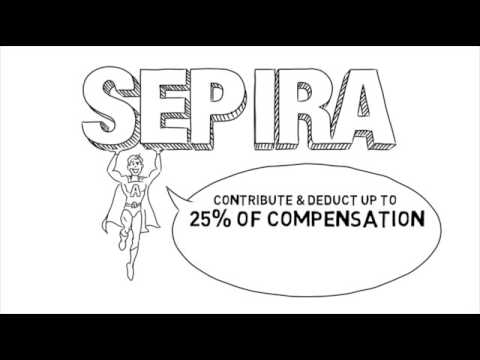
SEP IRA: Simplified Employee Pension (SEP) IRAs are suited for self-employed individuals and small business owners with fewer employees. They allow employers to contribute directly to employee IRAs, with tax-deductible contributions being a key benefit.
-
SIMPLE IRA: The Savings Incentive Match Plan for Employees (SIMPLE) IRA is designed for businesses with 100 or fewer employees. It requires minimal administrative duties and allows both employee and employer contributions, offering a flexible, tax-advantaged retirement option.
-
Profit-Sharing Plans: These plans allow employers to make discretionary contributions based on profitability, giving small business owners the flexibility to handle contributions according to their cash flow. This approach can maximize tax benefits while aligning employee interests with business performance.
- Defined Benefit Plans: These traditional pension plans are less common among small businesses due to higher setup costs and complexities, but they can be advantageous in certain scenarios, especially for older business owners looking to maximize retirement savings.
The Tax Benefits
-
Tax Deductions: Contributions made to retirement plans are often tax-deductible, reducing the taxable income of the business and potentially lowering the overall tax burden.
-
Tax-Deferred Growth: Money invested in retirement accounts grows tax-deferred until distributed, allowing for potential compounding growth. This means that small businesses can take advantage of market growth without immediate tax impacts.
-
Employee Attractiveness: Offering robust retirement plans makes businesses more attractive to potential hires. This is particularly important in today’s competitive job market, where talent acquisition can be a decisive factor for success.
- Retirement Security for Owners: Small business owners often overlook their own retirement needs. Implementing these plans allows them not just to benefit their employees but also to secure their financial future, enhancing overall business stability.
Strategies for Maximizing Tax Alpha
-
Choosing the Right Plan: Each retirement plan comes with its own set of rules, contributions limits, and tax implications. Business owners should evaluate which plan aligns best with their business size, structure, and goals.
-
Maximizing Contributions: Understanding contribution limits and strategies to maximize employer matches can substantially enhance retirement savings for both employees and owners.
-
Utilizing Professional Guidance: Engaging with financial advisors and tax professionals can help small businesses navigate the complexities of retirement plans, ensuring compliance with tax laws while optimizing potential tax savings.
- Employee Education: Providing employees with education on how to maximize their retirement contributions can lead to a more engaged and productive workforce, thereby helping the business thrive.
Conclusion
Incorporating a strategic approach to small business retirement plans not only enhances employee satisfaction and retention but also provides significant tax benefits. Through the application of Tax Alpha strategies, small business owners can effectively navigate the complexities of retirement planning while fostering a culture of security and growth. By prioritizing retirement plans, small businesses can build a robust financial foundation that benefits both their employees and their bottom line—ensuring a sustainable future in an ever-evolving marketplace. As the saying goes, investing in your employees is investing in your business. Embrace Tax Alpha, and empower your team today for a more secure tomorrow.
LEARN MORE ABOUT: IRA Accounts
TRANSFER IRA TO GOLD: Gold IRA Account
TRANSFER IRA TO SILVER: Silver IRA Account
REVEALED: Best Gold Backed IRA




0 Comments