

What Should I Be Doing With My Roth IRA? A Guide to Smart Investing
If you’re on the path to financial wellness, you’ve likely encountered the concept of the Roth IRA. This individual retirement account is a powerful tool for building wealth and achieving financial security in retirement. If you’re following Dave Ramsey’s Baby Steps, particularly Baby Step 4, which encourages investing 15% of your income into retirement accounts, you may be asking yourself: What should I be doing with my Roth IRA?
Understanding the Basics of a Roth IRA
A Roth IRA (Individual retirement account) offers several distinct advantages:
-
Tax-Free Growth: Contributions to a Roth IRA are made with after-tax dollars, which means your investments grow tax-free. This means that when you withdraw your money in retirement, you won’t owe any taxes on earnings.
-
Flexible Withdrawals: Unlike Traditional IRAs, you can withdraw your contributions at any time without penalty. However, withdrawals of earnings before age 59½ may incur taxes and penalties.
- No Required Minimum Distributions (RMDs): Unlike Traditional IRAs, Roth IRAs do not require you to take distributions at a certain age, allowing for more prolonged tax-free growth.
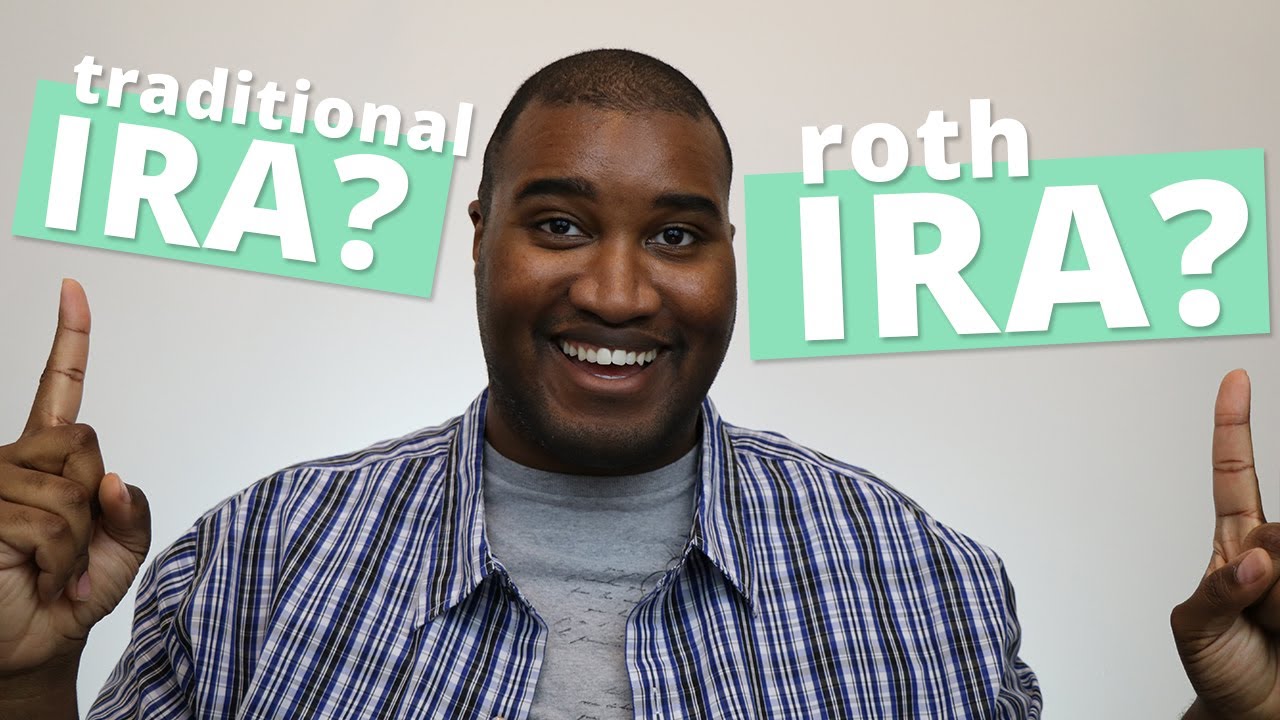
Roth IRA vs. Traditional IRA
When considering whether to open a Roth IRA or a Traditional IRA, it’s essential to understand the key differences:
-
Tax Treatment: In a Traditional IRA, you make contributions with pre-tax dollars, meaning you may receive a tax deduction in the year of your contribution, but withdrawals in retirement will be taxed. In a Roth IRA, you pay taxes on contributions upfront, but withdrawals in retirement, including earnings, are tax-free.
-
Withdrawal Rules: Traditional IRAs impose penalties and taxes on early withdrawals, while Roth IRAs allow you to pull out contributions without penalties.
- Income Limits: Roth IRAs have income limits that may restrict high earners from making direct contributions. Traditional IRAs do not have income limits for contributions but may impose limits on tax deductibility based on income and whether you or your spouse is covered by a workplace retirement plan.
What to Do With Your Roth IRA
Now that you understand what a Roth IRA is and how it compares to a Traditional IRA, the next question is: what should you do with it? Here are some essential strategies:
-
Contribute Consistently: Aim to contribute regularly to maximize your annual contribution limit. For 2023, the limit is $6,500, or $7,500 if you’re age 50 or older.
-
Diversify Your Investments: A Roth IRA allows a wide variety of investment options, including stocks, bonds, mutual funds, and ETFs. Diversifying your portfolio can help manage risk and enhance potential returns over time.
-
Invest in Growth Assets: Since you’ll likely hold your Roth IRA investments for several years or even decades, consider investing in growth assets such as stocks or index funds that have the potential for higher long-term returns.
-
Rebalance Your Portfolio: Regularly review your investment performance and rebalance your portfolio to ensure it aligns with your risk tolerance and financial goals.
-
Take Advantage of the “Backdoor Roth IRA”: If your income exceeds the limits for direct contributions, consider contributing to a Traditional IRA and converting it to a Roth IRA. Be aware of the tax implications of this strategy.
-
Avoid Early Withdrawals: While you can withdraw your contributions at any time, it’s best to avoid taking funds out of your Roth IRA to allow your investments to compound over time. Consider it a tool for long-term growth.
- Educate Yourself: Stay informed about investment trends, Roth IRA rules, and financial literacy. The more you know, the better your investment decisions will be.
Conclusion
Managing your Roth IRA is a crucial part of your financial planning and preparation for retirement. By contributing regularly, diversifying your investments, and using your Roth IRA strategically, you can maximize the benefits this powerful tool offers. Following Dave Ramsey’s Baby Steps, particularly Baby Step 4, will set you on the right path to a secure and comfortable retirement. Remember, the earlier you start investing, the more time your money has to grow, so don’t delay in making Roth IRA contributions part of your financial routine.
LEARN MORE ABOUT: IRA Accounts
CONVERTING IRA TO GOLD: Gold IRA Account
CONVERTING IRA TO SILVER: Silver IRA Account
REVEALED: Best Gold Backed IRA




What are some of your IRA-related investing questions? Let me know!
Where are you?
Yes Yes, good content and great …Style. !
Can you tell us more about investing outside or IRA/401K retirement funds? Like Dividend investments? Do you do it yourself or through a brokerage firm?
Is it better to open a Roth IRA through Vanguard or have it managed by robots using Betterment or Wealthfront?
it's crazy you can see statistics of who watches your channel.