
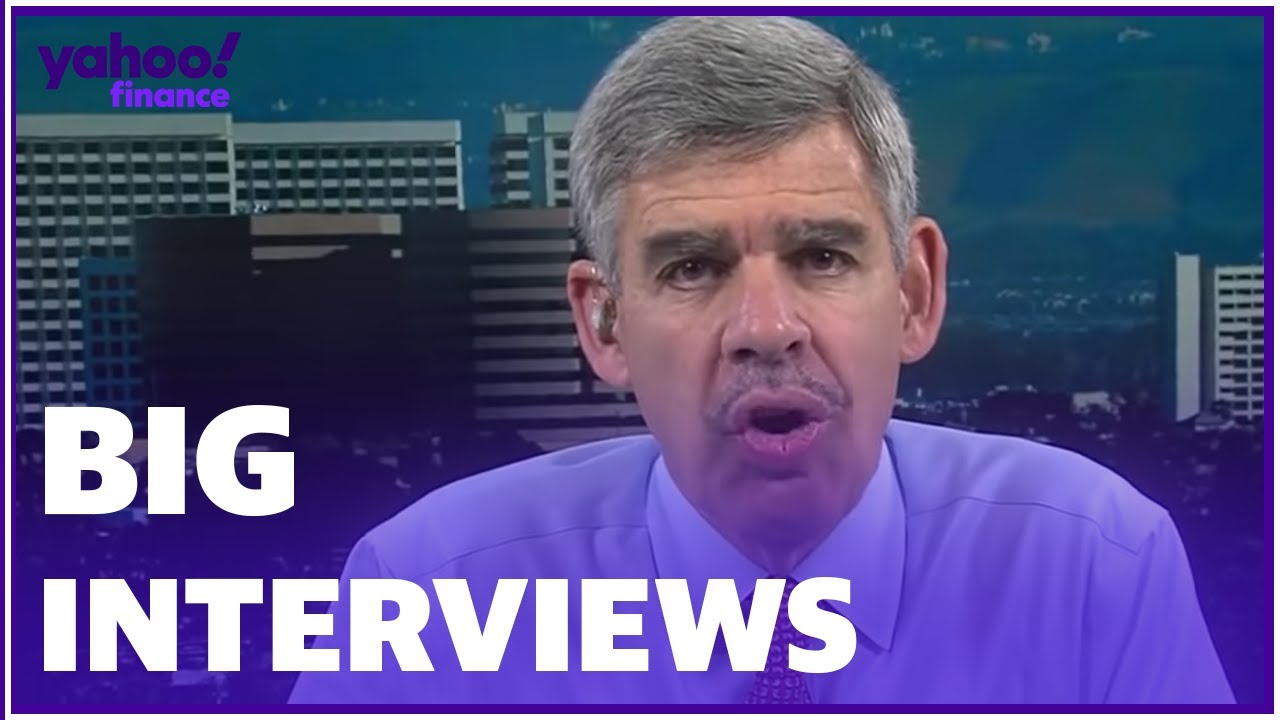

The Federal Reserve’s Dilemma: A ‘Lose, Lose, Lose’ Situation According to Mohamed A. El-Erian
In the complex world of global finance, few voices carry as much weight as that of Mohamed A. El-Erian. The former CEO of PIMCO and a distinguished economist, El-Erian has been known for his keen insights into monetary policy and its broader implications. Recently, he has articulated a stark warning regarding the current state of the Federal Reserve (Fed), describing its situation as a ‘lose, lose, lose’ scenario. This provocative assertion invites a closer examination of the challenges the Fed faces in an increasingly complex economic landscape.
The Fed’s Tough Balancing Act
At its core, the Federal Reserve has one primary mission: to promote maximum employment, stable prices, and moderate long-term interest rates. However, these objectives often clash, particularly in times of economic uncertainty. Currently, the Fed is confronted with soaring inflation, lingering effects from the pandemic, and shifting consumer demand—all factors that complicate its ability to navigate the economy effectively.
The Fed’s primary tool for combatting inflation is interest rate manipulation. By raising rates, the Fed can cool off an overheating economy and bring down prices. However, El-Erian warns that this strategy carries significant risks. Increasing interest rates can stifle economic growth, leading to higher unemployment rates and reduced consumer spending. At the same time, a failure to act decisively against inflation may erode consumer confidence, destabilize markets, and diminish the purchasing power of consumers. This balancing act has put the Fed in a precarious position, where every decision appears to lead to adverse consequences.
The Lose, Lose, Lose Scenario
El-Erian’s "lose, lose, lose" assessment reflects the multifaceted challenges the Fed faces.
-
Inflation vs. Growth: By raising interest rates to combat inflation, the Fed risks pushing the economy into a recession. This could lead to job losses and reduced consumer spending, thus triggering a downward economic spiral. Conversely, maintaining lower rates to support growth could allow inflation to escalate further, undermining the purchasing power of consumers and the overall economy.
-
Market Reactions: The unpredictable nature of financial markets adds another layer of complexity. As the Fed adjusts its policies, market participants react in real-time, often leading to volatility. A sudden spike in interest rates could spook investors, resulting in sharp declines in stock prices, which, in turn, impacts consumer wealth and spending habits.
- Public Trust and Perception: The Fed’s credibility is paramount. If the public perceives the Fed as ineffectively managing inflation, it could lead to a loss of confidence in the institution. This is particularly concerning in an era where the central bank has already been under scrutiny for its past policies. Erosion of trust may not only impact consumer behavior but also could influence the long-term relationship between the Fed and policymakers.
The Path Forward
While the current scenario may seem bleak, El-Erian encourages a nuanced approach. He emphasizes that the Fed must adopt a more adaptive monetary policy, one that takes into account both the short-term pressures of inflation and the long-term implications of economic stagnation. This might involve a more transparent communication strategy to help manage market expectations and maintain public trust.
Additionally, El-Erian advocates for a more cooperative relationship between the Fed and fiscal policymakers. As fiscal policies – such as government spending – could complement the Fed’s efforts in stabilizing the economy, a unified approach could help mitigate some of the adverse effects of interest rate changes.
Conclusion
In describing the Federal Reserve’s current predicament as a ‘lose, lose, lose’ situation, Mohamed A. El-Erian highlights the formidable constraints faced by central banks in today’s intricate economic environment. The interplay of inflation, economic growth, market reactions, and public perception presents a monumental challenge for the Fed. As the central bank navigates these turbulent waters, it must balance its dual mandate in ways that not only bolster economic stability but also restore confidence in its decision-making processes. The path forward is fraught with difficult choices, but with keen insights and strategic adaptation, it is possible for the Fed to emerge stronger from these trials.
LEARN ABOUT: Investing During Inflation
REVEALED: Best Investment During Inflation
HOW TO INVEST IN GOLD: Gold IRA Investing
HOW TO INVEST IN SILVER: Silver IRA Investing




0 Comments