
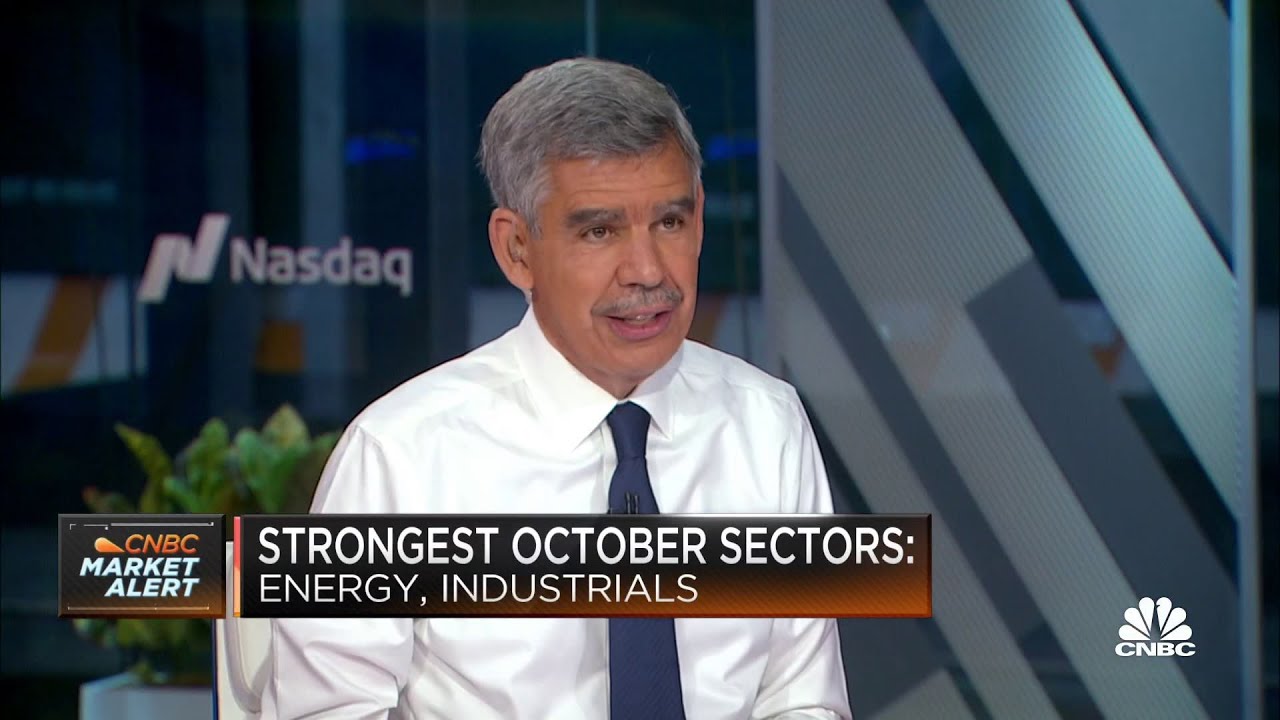

The Most Front-Loaded Interest Rate Hiking Cycle in Decades: Insights from Mohamed El-Erian
In recent months, the global economy has been navigating a treacherous landscape characterized by heightened inflation, shifting monetary policies, and geopolitical uncertainties. Amidst this backdrop, Mohamed El-Erian, a prominent economist and chief economic advisor at Allianz, has made a compelling assertion: the current interest rate hiking cycle is the most front-loaded we have seen in decades.
Understanding the Context
To appreciate El-Erian’s perspective, it is important to understand what is meant by a “front-loaded” interest rate hiking cycle. A front-loaded cycle implies that central banks, primarily the Federal Reserve in the U.S., are implementing significant interest rate increases in a relatively short period. This approach contrasts with more gradual adjustments seen in previous cycles, where changes were paced over a longer timeframe.
As inflation surged to levels not witnessed in decades, sparked in part by supply chain disruptions and increased consumer demand post-pandemic, central banks were faced with the urgent necessity to curb inflation without derailing the recovery. In response, central banks globally have embarked on aggressive monetary tightening, marking a decisive pivot from the ultra-low rates that characterized the post-2008 financial crisis era.
The Implications of Front-Loaded Hiking
El-Erian has pointed out that while the rationale behind swift rate hikes aims at stabilizing prices, it carries significant risks. The first major concern is the potential for economic slowdown or even recession. Rapid increases in borrowing costs can dampen consumer spending and business investments, which are critical engines for economic growth. For families, higher mortgage rates can make home ownership less attainable, while businesses might scale back on expansion plans due to the increased cost of financing.
Moreover, the speed of these adjustments may leave markets and participants in disarray. In an environment where expectations for continued rate hikes persist, volatility in financial markets can increase, affecting equities, bonds, and currency values. Investors have to recalibrate their strategies in real-time, responding to the fluidity of monetary policy.
Historical Context and Lessons Learned
El-Erian highlights that previous rate hiking cycles often featured a more cautious approach, allowing markets and economies to adjust organically. The lessons from the past can serve as valuable guides for navigating today’s landscape. For instance, the Federal Reserve’s decisions following the 2008 financial crisis were deliberate and measured, allowing for a prolonged period of economic recovery.
By contrast, aggressive tightening in response to inflationary pressures can create whiplash for the economy. The extreme scenarios of the early 1980s — when the Fed raised rates dramatically to combat runaway inflation — offer a sobering reminder of the delicate balance central banks must maintain between curbing inflation and fostering growth.
Looking Ahead: What It Means for the Future
As we move forward, markets will continue to closely monitor central bank policies. El-Erian warns that the front-loaded hiking cycle could have lasting implications, shaping not only the immediate economic climate but also influencing central bankers’ strategies for years to come.
Investors and policymakers alike must remain vigilant, ready to adapt to the evolving monetary landscape. The interplay between interest rates, inflation, and economic growth will remain a central theme in discussions around fiscal policies and market behavior.
In summary, Mohamed El-Erian’s assertion regarding the current interest rate hiking cycle highlights a striking departure from historical precedents. As central banks navigate this challenging terrain, the repercussions of their decisions will undoubtedly extend far into the future, influencing economic stability and growth patterns on both global and local scales. The necessity for balance in monetary policy has never been more critical, and the lessons of history may serve as essential guidance for what lies ahead.
LEARN ABOUT: Investing During Inflation
REVEALED: Best Investment During Inflation
HOW TO INVEST IN GOLD: Gold IRA Investing
HOW TO INVEST IN SILVER: Silver IRA Investing




These guys caused inflation by raising prices. The system of capitalism failed. Stop blaming the fed
I feel sad that even though I am investing, I don't have the brain power to dig through how each company is doing, is this a good time to buy stocks or not, my reserve of $450K is laying waste to inflation and I don't know what to do at this point tbh, I need solid data on market trajectory
Unfortunately you are correct Mohamed, we are doomed to pay for the mistakes of the FED! We are not in the same club!
Even they say stop, the rate will still go higher, that's when panic begins, because nobody has the free cash to invest into treasury bonds.
J powell has been awful