
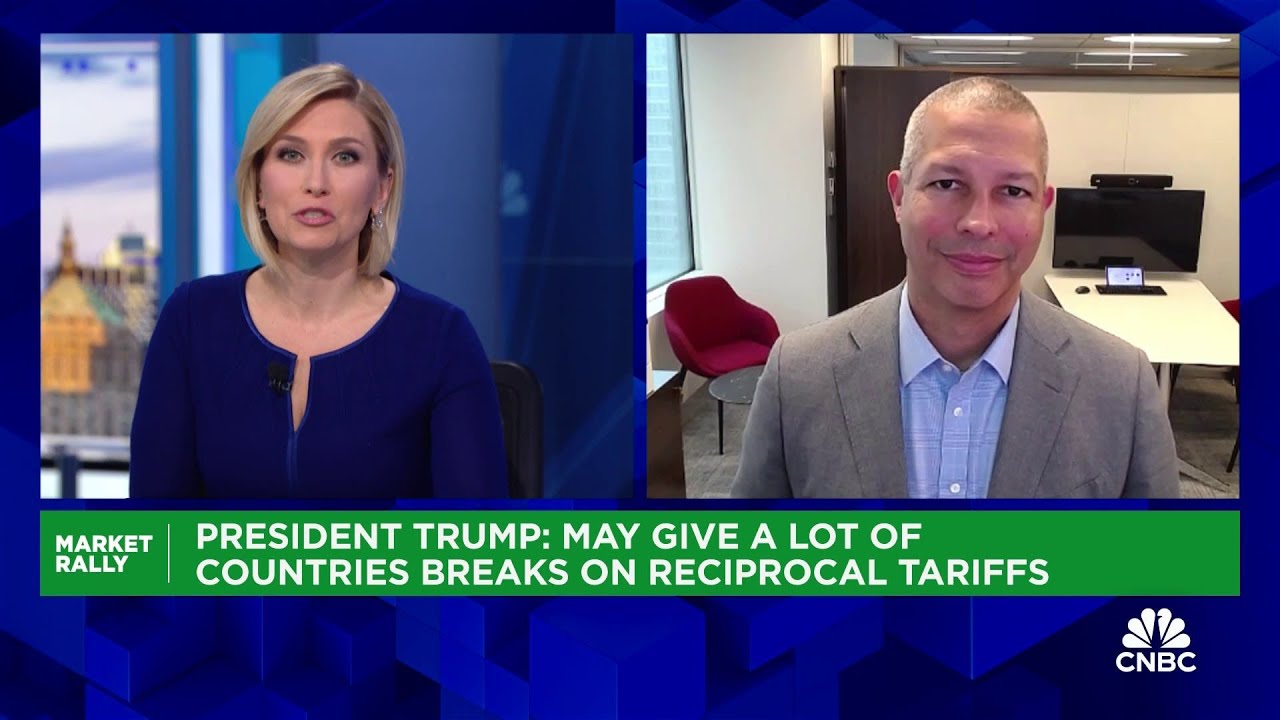

Recession Cries Overdone, But More Bad News on Horizon for U.S. Economy: Insights from Morgan Stanley’s Carpenter
As economic uncertainties continue to permeate the market landscape, analysts are grappling with a complex narrative surrounding the U.S. economy. Morgan Stanley’s chief U.S. equity strategist, Mike Carpenter, recently shared insights that challenge the prevailing fear of an imminent recession, while simultaneously warning of potential headwinds that could weigh on economic performance in the near future.
The Overblown Recession Fears
In his analysis, Carpenter argues that the widespread fears of an impending recession may be exaggerated. Many economists and market analysts have pointed to rising inflation rates, increasing interest rates, and global geopolitical tensions as harbingers of a downturn. However, Carpenter believes that the labor market remains robust, consumer spending is resilient, and corporate earnings are solid, creating a more nuanced picture of the current economic landscape.
"We are witnessing a disconnect between market sentiment and economic fundamentals," Carpenter states. He emphasizes that while various economic indicators point to headwinds, the overall structural integrity of the U.S. economy is stronger than many analysts perceive. Consumer confidence, although volatile, still exhibits resilience, supported by a strong job market and wage growth that continues to bolster disposable income.
Looming Challenges Ahead
While Carpenter maintains that the cries of recession may be overblown, he does not dismiss the concerns entirely. He warns that there are indeed challenges lurking on the horizon that could dampen economic growth. Inflationary pressures, particularly in critical sectors such as housing and energy, remain a key concern. Rising costs are likely to squeeze household budgets, leading to a potential slowdown in consumer spending, which is a significant driver of economic growth.
Moreover, Carpenter highlights the tightening monetary policy by the Federal Reserve, which may impact borrowing costs and investment decisions. As the Fed continues to raise interest rates to combat inflation, businesses may hesitate to expand or invest in capital projects, slowing down economic momentum.
International Impacts
Carpenter also points to global economic uncertainties that could affect the U.S. economy. The interconnectedness of global markets means that slowdowns in major economies—such as those in Europe and China—could reverberate through the U.S., impacting exports and supply chains. Additionally, geopolitical tensions, including ongoing conflicts and trade disputes, may create additional volatility and uncertainty.
The Path Forward
Given the mixed signals from various economic indicators, Carpenter advises cautious optimism. He suggests that investors focus on sectors less vulnerable to economic cycles, such as technology, health care, and consumer staples. These sectors tend to offer more stability in volatile economic conditions.
Ultimately, while Carpenter assesses that the recession predictions might be overly pessimistic, he underscores the necessity for vigilance. Businesses, consumers, and investors should remain aware of both domestic and international factors that may influence economic stability. As the landscape evolves, adaptability and strategic foresight will be crucial for navigating potential challenges ahead.
In conclusion, while the alarm bells of a recession might be ringing louder than warranted, the U.S. economy is not without its trials. Morgan Stanley’s insights serve as a reminder that while the fundamentals may be sound, vigilance and preparedness are essential as we face the complexities of an ever-changing economic environment.
LEARN ABOUT: Investing During Inflation
REVEALED: Best Investment During Inflation
HOW TO INVEST IN GOLD: Gold IRA Investing
HOW TO INVEST IN SILVER: Silver IRA Investing




"Allah condemns usury, and He blesses charities. Allah does not love any disbelieving sinner.
Those who believe, and perform righteous deeds, and pray regularly, and give regular charity—they will have their reward with their Lord—they have nothing to fear, nor shall they grieve.
O you who believe! Reverence Allah, and forgo what remains of usury, if you are believers.
And if you do not, then take notice of war by Allah and His Messenger.
But if you repent, you may keep your capital, neither wronging nor being wronged."
Quran 2:276-279
Islam brings peace and mercy to society.
With Islam Zakat 2.5% of net saving, has to be paid from rich to poor.
Within 40 years money will cycle within society.
Zakat increases consumer spending, which in turn increases effective aggregate demand. To meet the increase in aggregate demand, investment increases, and thus increases the productive capacity in society by increasing production, and then distributing other new incomes to individuals in the form of wages for workers or prices for raw materials or rent, and thus the national income in society increases