
[ad_2]
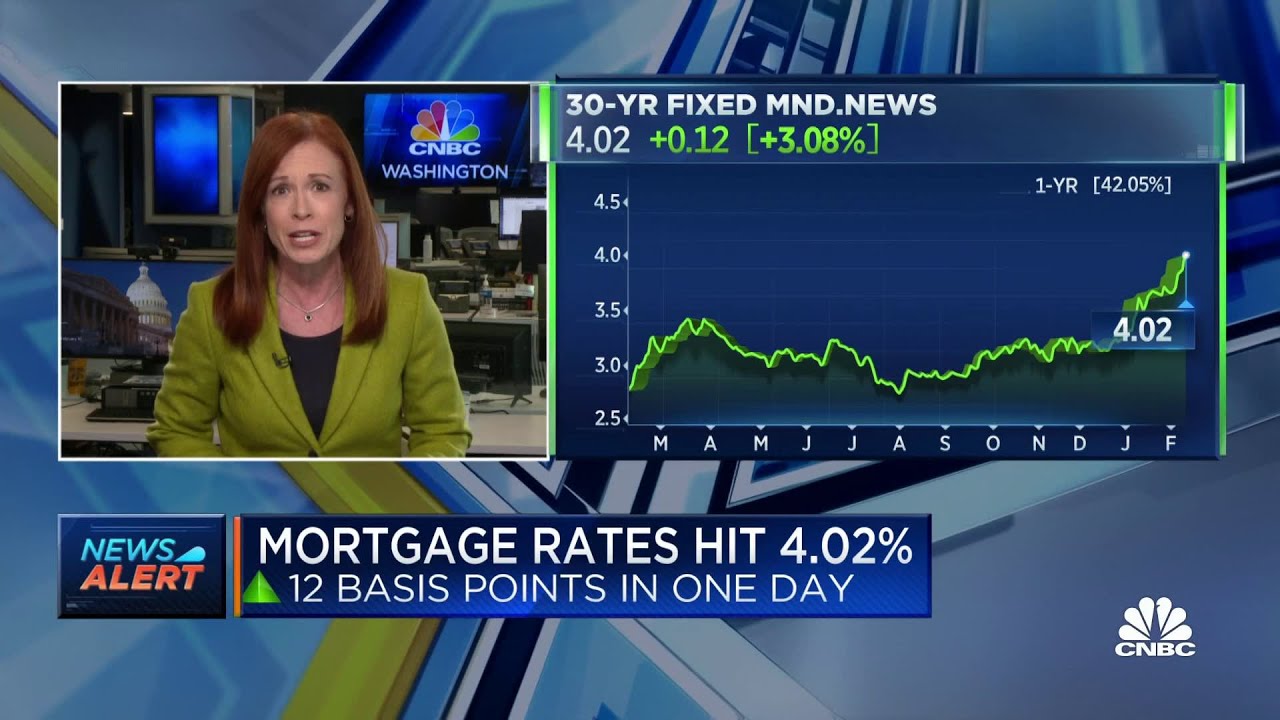
Mortgage Rates Hit 4.02%: What This Means for Homebuyers and the Housing Market
As the housing market continues to evolve, recent data shows that mortgage rates have reached a notable 4.02%, sparking conversation among potential homebuyers, current homeowners, and real estate professionals alike. This uptick in rates, while still comparatively low by historical standards, comes at a crucial time for an economy grappling with inflationary pressures and changes in Federal monetary policy.
Understanding the Current Mortgage Rate Landscape
Mortgage rates are influenced by a variety of factors, including inflation, the Federal Reserve’s interest rate decisions, and broader economic indicators. The recent rise to 4.02% marks a shift from the historically low rates seen in the previous couple of years, where rates dipped below 3% at times, making home buying particularly attractive.
The current rate signifies a continual upward trend that started taking shape as the Federal Reserve implemented strategies to combat rising inflation. As borrowing costs increase, many potential homebuyers are reevaluating their plans, and some may even delay their purchasing decisions in hopes of better rates in the future.
Impact on Homebuyers
For prospective homebuyers, the increase to 4.02% can have significant implications. A higher mortgage rate means larger monthly payments, which can strain budgets and affect overall affordability. For example, on a $300,000 loan, an increase from 3% to 4.02% can raise monthly payments substantially, affecting the overall cost of homeownership over the life of the loan.
Homebuyers are advised to carefully assess their financial situations, particularly their debt-to-income (DTI) ratios. With the increase in mortgage rates, buyers may need to adjust their expectations regarding home prices, sizes, and locations, potentially leading to increased competition for homes in more affordable price ranges.
The Seller’s Market Dynamics
On the seller side, a rise in mortgage rates often leads to a cooling effect on the housing market. As fewer buyers are able or willing to enter the market at higher interest rates, sellers may find that their homes take longer to sell or that they need to adjust their asking prices to attract interest. This environment may provide a more balanced playing field, shifting some leverage back to buyers who are cash-strapped or looking for good deals.
Nonetheless, homes with desirable attributes—such as location, condition, or unique features—may continue to garner significant interest, even with the higher mortgage rates. In this scenario, careful marketing and strategic pricing become essential for sellers looking to capitalize on current market conditions.
Future Outlook and Considerations
Looking ahead, it remains uncertain whether mortgage rates will stabilize, decline, or continue to rise. Economic indicators such as inflation rates and employment figures will play a pivotal role in shaping future Federal Reserve actions, which in turn will influence mortgage rates.
Buyers and sellers alike should remain informed about market trends and economic conditions. Working with experienced real estate professionals and mortgage advisors can provide valuable insights and aid in making informed decisions, especially in an evolving financial landscape.
Conclusion
As mortgage rates hit 4.02%, the implications for both buyers and sellers in the housing market are clear. While higher rates present challenges, they also encourage more strategic decision-making. As consumers adapt to the changing environment, the housing market landscape will continue to shift, creating both opportunities and challenges for all stakeholders involved. Staying informed and prepared is essential for navigating this new phase of the mortgage market.
LEARN ABOUT: Investing During Inflation
REVEALED: Best Investment During Inflation
HOW TO INVEST IN GOLD: Gold IRA Investing
HOW TO INVEST IN SILVER: Silver IRA Investing

3% rate for $500,000 home will be close to 4% rate for $450,000. Rate and housing are inversely proportional. Even If housing prices come down due to rise in mortgage rates, buyers will pay similar amounts.
yeah so stop stupid people buying home-like crazy…townhome price for last year was only $100k but now they are jack-up $250k or higher but people still buy it…look to me in the next few months for forclose will be a boom
My mortgage is 3.125% for a 159,900 20 year loan. Got the house last Jan. Perfect timing.
Get ready people the biggest bubble in history is going to pop's…. THE DEBT BUBBLE
Rates wont scare people. Never project your financial on the broader market. Alot or people have saved up money for down payments, sold a home that they had in this market and and can afford more. 4 percent interest rates arent stopping people.
Looking to buy my first home soon and this absolutely sucks, people were trying to pressure me to buy when the rates were lower but I didnt see paying way over asking making any sense. Now rates are higher just cant win lol
12 basis points is 0.12% – the news creates additional FUD by using basis points instead of percentage points in order to scare you into thinking the increase is more substantial than it really is. Mortgage rates were artificially low for an extended time period, this sort of correction is necessary and not anything out of the norm.
I locked mine when it was 3.25%
blackrock turning everyone into renters