


From Anxiety to Action: My Journey to a Retirement Plan I Can Actually Live With
Retirement. The word used to fill me with a unique cocktail of excitement and sheer, unadulterated terror. Excitement at the prospect of endless travel, pursuing hobbies, and finally relaxing after decades of hard work. Terror at the thought of how I’d actually afford it all.
Like many, I knew retirement planning was important, but I kept pushing it off. “Someday,” I’d tell myself, “someday I’ll figure it out.” But someday never seemed to arrive. Then, I hit my mid-40s, and the “someday” suddenly felt like “next Tuesday.” So, I decided to finally face my financial fears head-on and craft a retirement plan I could live with. Here’s how I tackled the process:
1. Facing the Music: Understanding My Current Financial Situation
This was the hardest part, but the most crucial. I needed a clear picture of my assets, liabilities, and spending habits. I gathered all my financial statements:
- Bank accounts: Checking, savings, and any CDs.
- Investments: Stocks, bonds, mutual funds, and any retirement accounts (401(k), IRA).
- Debts: Mortgages, car loans, credit card debt.
- Other assets: Real estate, collectables (honestly, not much!).
Then, I tracked my spending for a month. I used a budgeting app, but even a simple spreadsheet works. This revealed where my money was actually going, which was often different from where I thought it was going!
2. Dreaming Big, but Realistically: Defining My Retirement Goals
What did I want my retirement to look like? This was more than just daydreaming; it was about putting concrete numbers to my aspirations. I asked myself questions like:
- Where do I want to live?
- How often do I want to travel?
- What hobbies do I want to pursue?
- What will my healthcare expenses likely be?
I then researched the average cost of living in my desired retirement location and estimated my potential expenses. This gave me a rough idea of the annual income I’d need.
3. The Numbers Game: Projecting My Retirement Income
With my expenses projected, I needed to figure out how my existing assets would contribute. I used online retirement calculators (there are tons out there!) to estimate my Social Security benefits and potential income from my existing investments.
This was a reality check. My current savings weren’t nearly enough to fund my dream retirement. This realization, though daunting, was a powerful motivator.
4. Building the Bridge: Crafting My Investment Strategy
Now that I knew the gap between my projected expenses and income, I needed a plan to bridge it. This involved:
- Increasing My Contributions: I significantly increased my contributions to my 401(k), taking advantage of any employer matching. I also started contributing to a Roth IRA.
- Diversifying My Portfolio: I realized I was too heavily invested in my company’s stock. I rebalanced my portfolio to include a broader range of investments, including index funds, ETFs, and bonds. This helped to mitigate risk.
- Considering a SIP (Systematic Investment Plan): I started a small SIP in a diversified equity mutual fund. This allowed me to invest a fixed amount regularly, taking advantage of rupee-cost averaging (buying more units when the market is down and fewer when it’s up).
- Seeking Professional Advice: I consulted with a fee-only financial advisor. They helped me refine my investment strategy, taking into account my risk tolerance, time horizon, and financial goals.
5. Monitoring and Adjusting: The Ongoing Process
retirement planning isn’t a one-and-done deal. It’s an ongoing process of monitoring, adjusting, and adapting. I regularly review my investments, track my progress toward my goals, and adjust my strategy as needed. Life throws curveballs – unexpected expenses, market downturns, job changes. Being flexible and adaptable is key.
Key Takeaways From My Journey:
- Start Early (Even if it feels late): The power of compounding is real. The earlier you start, the less you need to save each month.
- Educate Yourself: There are countless resources available online and at your local library. Learn the basics of investing and personal finance.
- Don’t Be Afraid to Ask for Help: A financial advisor can provide valuable guidance and support.
- Be Realistic and Patient: retirement planning is a marathon, not a sprint. Don’t expect to become a millionaire overnight.
- Stay Disciplined: Consistently contributing to your retirement accounts is crucial for long-term success.
My journey to a solid retirement plan is far from over, but I’m no longer overwhelmed by the prospect. By taking a proactive approach and making informed decisions, I’ve gained a sense of control over my financial future. And that, in itself, is a huge weight off my shoulders. Now, I can finally start dreaming about that endless travel and those long-postponed hobbies… without the accompanying feeling of financial dread.
LEARN MORE ABOUT: Qualified Retirement Plans
REVEALED: How To Invest During Inflation
HOW TO INVEST IN GOLD: Gold IRA Investing
HOW TO INVEST IN SILVER: Silver IRA Investing

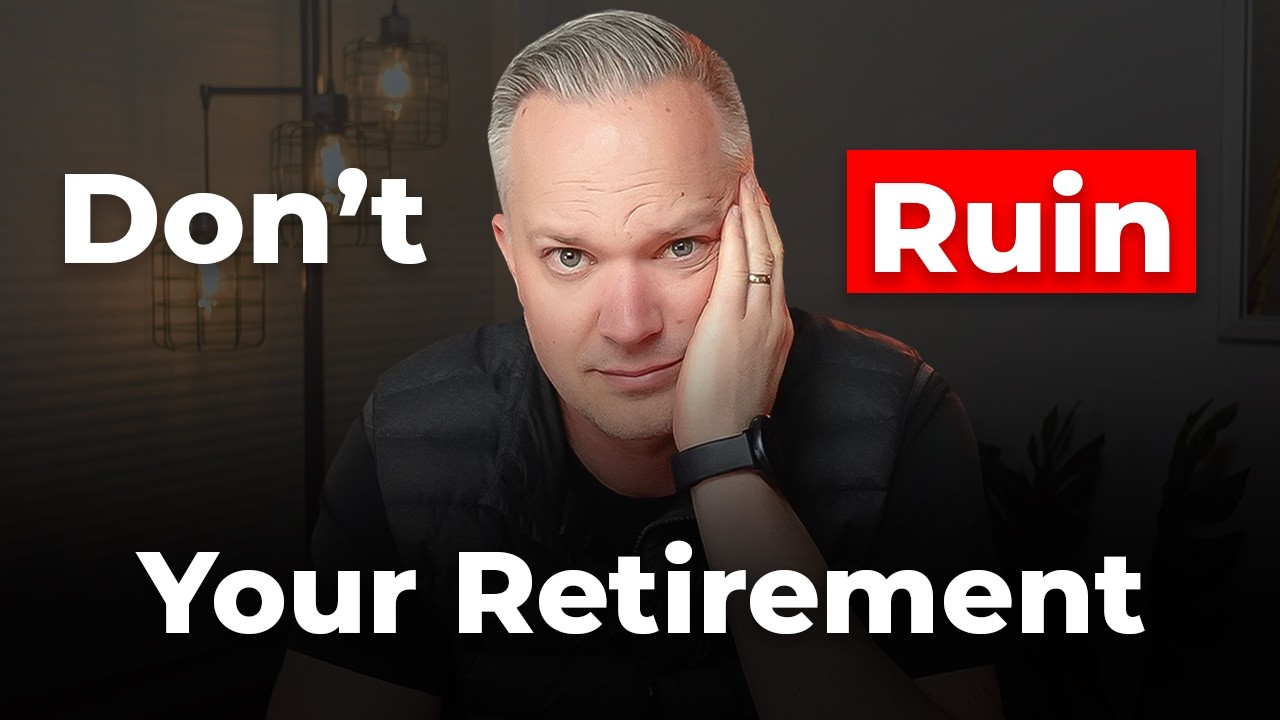


Where have u been investing for your retirement plan? Tell me where we should invest for retirement planning.
Everyone talks about retirement plans, but no one shares the right way or what they personally do. It would really help us to know
கேமரா தள்ளி வச்சு வீடியோ எடுங்க புரோ