
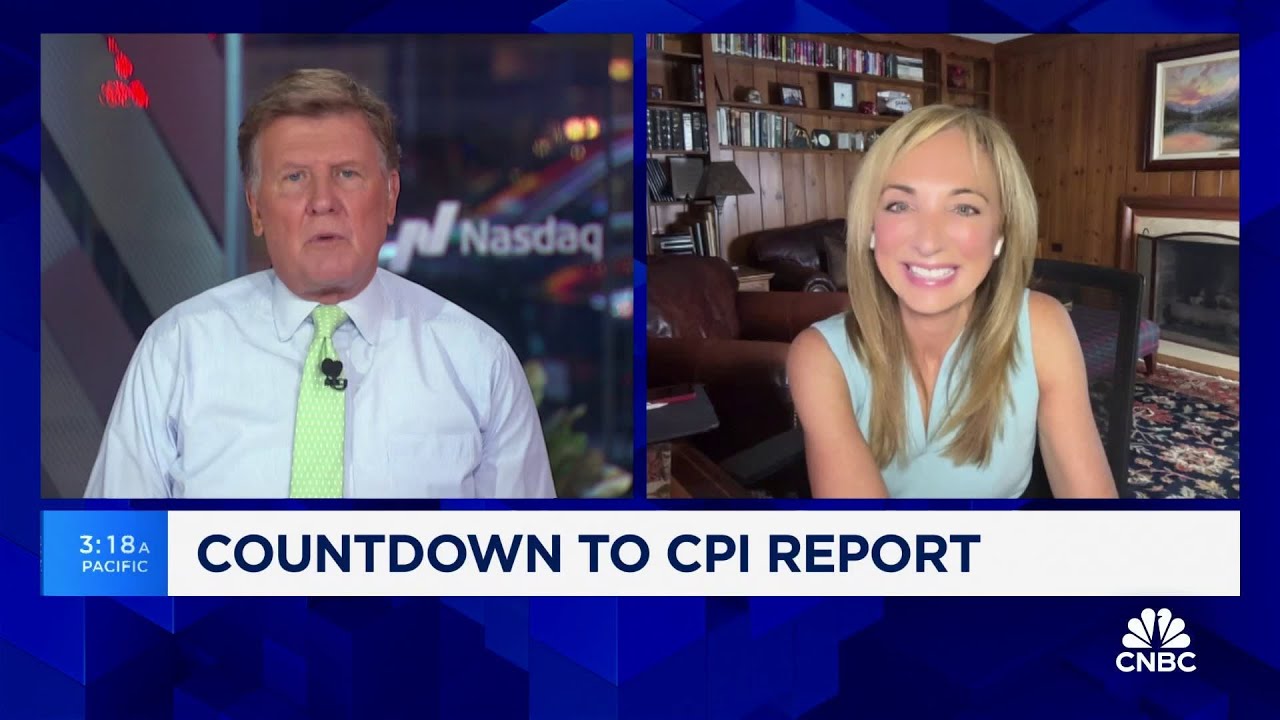

The Fed Can’t Wait for Inflation to Get to 2% to Start Cutting: Insights from NatWest’s Michelle Girard
In the realm of economic policy and monetary management, few institutions wield as much influence as the United States Federal Reserve (the Fed). With its dual mandate of promoting maximum employment and stable prices, the Fed’s actions are closely watched by investors, policymakers, and economists worldwide. As inflation continues to be a pressing concern in the post-pandemic economy, recent insights from NatWest’s Chief U.S. Economist, Michelle Girard, have sparked significant discussion regarding the Fed’s approach to interest rates and inflation control.
The Current Economic Landscape
As of late 2023, inflation remains elevated in comparison to historical norms, influenced by factors such as supply chain disruptions and geopolitical tensions. While the Fed has adopted a series of aggressive interest rate hikes to tame inflation, the question of when to pivot towards rate cuts is a pressing one. Many analysts posit that the Fed should wait until inflation hits its long-standing target of 2% before considering any reductions in interest rates. However, Girard argues that such a wait-and-see approach may not be feasible or prudent given the current economic climate.
A Shift in Perspective
Girard’s stance is grounded in the recognition that the economic environment is fluid. She suggests that the Fed should not adhere strictly to a target inflation rate before contemplating rate cuts. Instead, the focus should be on broader economic indicators, including employment rates, consumer confidence, and economic growth trajectories. According to Girard, the Fed may need to act preemptively to support the economy and prevent a downturn, recognizing that delaying action could exacerbate inflationary pressures in the long run.
The Case for Proactive Monetary Policy
In her analysis, Girard emphasizes the importance of a proactive monetary policy amidst a backdrop of changing economic conditions. The lag effect of monetary policy—where the impacts of rate changes take time to be felt in the economy—implies that waiting for inflation to return to 2% could result in missed opportunities to stimulate growth. If the Fed waits too long, it risks tightening financial conditions that could stifle economic progress and employment gains.
Moreover, Girard points out that simply focusing on one metric, such as inflation, could lead to an overly simplistic view of the economy’s complexities. The interplay of various economic factors means that the Fed should adopt a more nuanced approach, taking into account signs of economic weakness or strength beyond inflation figures.
The Path Forward
As the Fed grapples with its monetary policy decisions in the coming months, Girard’s insights offer a compelling viewpoint that could shape future actions. If the Fed heeds her advice, we may witness a shift towards rate cuts sooner than anticipated, particularly if other economic indicators suggest a need for support.
Ultimately, the central bank’s ability to balance the dual mandate of managing inflation while fostering economic growth will be crucial. The debate surrounding whether the Fed should wait for inflation to return to 2% or adopt a more flexible approach reflects the broader uncertainties facing the global economy today. As Michelle Girard and other economists continue to analyze the evolving economic landscape, their insights will be essential in guiding the Fed’s next steps and shaping the future of monetary policy in the United States.
Conclusion
In conclusion, as the Fed navigates the complexities of interest rates and inflation, insights from experts like Michelle Girard at NatWest highlight the need for a more agile approach to monetary policy. By considering a wider range of economic indicators and not strictly adhering to the 2% inflation target, the Fed may be better positioned to foster economic stability and growth in a rapidly changing economic environment. As we look ahead, the outcomes of these policy decisions will undoubtedly have lasting implications for the U.S. economy and beyond.
LEARN ABOUT: Investing During Inflation
REVEALED: Best Investment During Inflation
HOW TO INVEST IN GOLD: Gold IRA Investing
HOW TO INVEST IN SILVER: Silver IRA Investing




3 important words to remember.
“Technology is Deflationary”
Keeping money in the bank is setting yourself up for devaluation from inflation. My thinking about money has changed lately, especially since I understand how to make profits from the stock market, and I started with only $60k. I'm still not making enough profit as I would though, but I don't know how to navigate from here.
Still long way off from 3% stop smiling. Also talk about how high it is over the last three years 22% no smile here at all
I've seen a lot of major chaos chains still have like seven hundred percent inflation etc and it's been proven to be criminal and illegal etc and also government corruption etc.
I retired in 2021 believing $400k would be enough, but with this sustained inflation, that's no longer my reality. Each withdrawal has made it harder for my nest-egg to recover through compounding Interest. I'm just tired of feeling I am one emergency away from being destitute
Finally the lower Inflation Data all where waiting for, plus the jobmaket is still good. There will be lower interest rates and the economy will grow further.
does 2.9 count or does it have to hit 2.0 ?
R they getting subsidized groceries from tax payers money? Cuz that's the one way you can say inflation has dipped down.
They are so full of it! If Trump wins, magically inflation will come back and the fed will raise rates. Why? Because it's an election year and they are absolutely covering for Biden and the Democrats. They are fibbing the numbers and not doing what really needs to be done. And what if Joe wins? They continue to do what they are doing now and that is manipulating everything to look like all is rosy and perfect. Rates need to go even higher or housing will never be affordable again for the average person. Short term pain for long term gain.
https://youtu.be/euTqhdcEucg
Our government is doing an excellent job on bringing inflation down, thank you President Biden!
What a joke! The fed thinks we won’t understand that inflation is much higher than they are trying to portray.
Biggest numbers scam ever invented. It's year over year data which means numbers past 12 months drops out of the calculation. From CPI, the actual inflation rate from June 2020 to June 2024 is 22%. All they're trying to do is slow the rate of increase in inflation to 2% for one year which they can't even do, lol. Even when the Fed finally accomplishes that number, it will mean nothing. The inflation is baked into the economy.
2% WHERE ???
"if I was less of an expert, than I am" … Wow !
If Trump is in there you cry babies will really gonna need some tissues