

Navigating the IRA Minefield: Avoiding Taxes During a Divorce
Divorce is a stressful and emotionally charged process. Adding to the complexity is the division of assets, which can quickly become a financial minefield, especially when dealing with retirement accounts like Individual Retirement Arrangements (IRAs). A poorly handled IRA split can lead to hefty and unnecessary taxes, eroding the funds meant to secure your future. Understanding the rules and working with qualified professionals can help you navigate this tricky situation and avoid paying Uncle Sam more than you have to.
The Danger Zone: Forced Distributions and Penalties
The biggest threat to your IRA during a divorce is a taxable distribution. Imagine having to withdraw a significant portion of your retirement savings just to satisfy the divorce decree. This triggers income tax on the withdrawn amount, potentially pushing you into a higher tax bracket. Furthermore, if you’re under 59 ½, you’ll likely face a 10% early withdrawal penalty on top of the income tax. This double whammy can significantly deplete your retirement funds.
The Solution: The Qualified Domestic Relations Order (QDRO) Exception
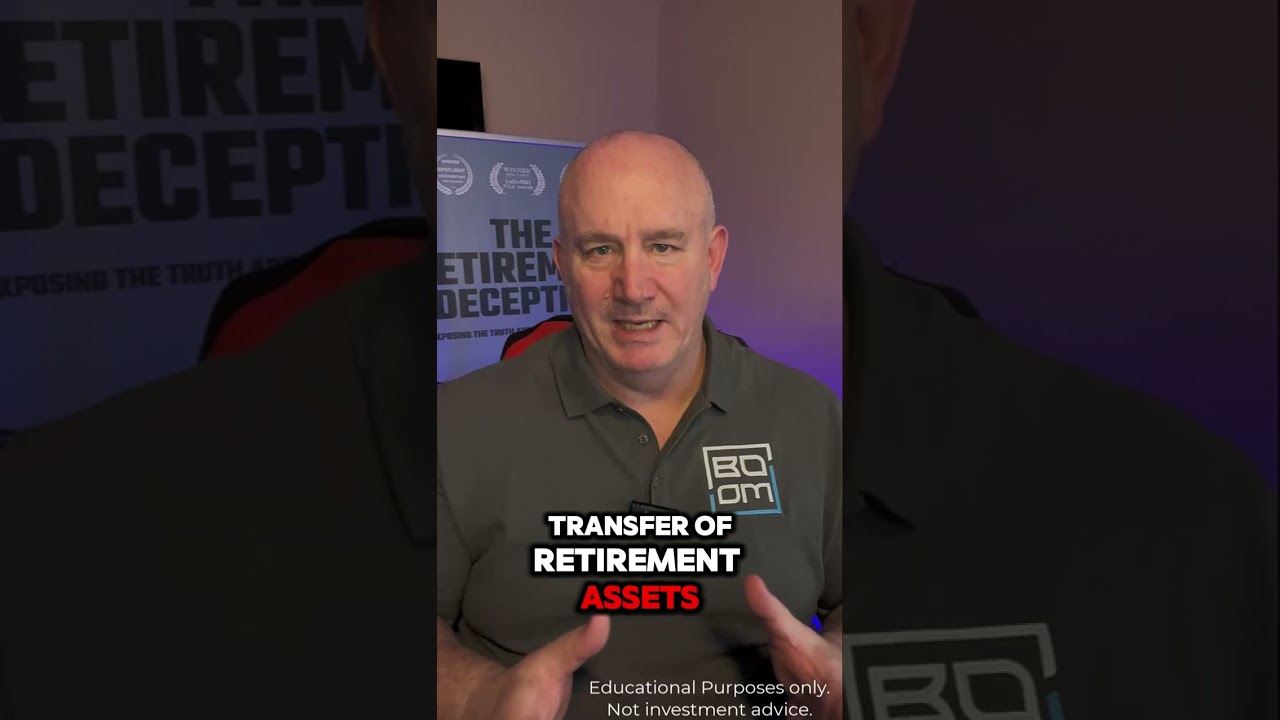
Fortunately, there’s a legal mechanism designed to prevent these disastrous outcomes: the Qualified Domestic Relations Order (QDRO), often referred to as a “QDRO exception.” This special court order instructs the IRA custodian (the bank or financial institution holding the IRA) to transfer funds from one spouse’s IRA to the other spouse’s IRA without triggering any taxable events or penalties.
Here’s how the QDRO exception works:
- The Divorce Decree: The divorce settlement must specify how the IRA will be divided. This includes the specific dollar amount or percentage being transferred.
- The QDRO: Your lawyer will draft a QDRO, which is a separate legal document based on the terms outlined in the divorce decree. This document must meet specific legal requirements to be “qualified” by the court.
- Court Approval: The QDRO needs to be reviewed and approved by the court.
- Submission to the IRA Custodian: Once the QDRO is finalized, it’s submitted to the IRA custodian (e.g., Fidelity, Vanguard, Schwab). They will review the QDRO to ensure it complies with their internal procedures and legal requirements.
- Transfer of Funds: The IRA custodian will then transfer the designated funds directly from the original IRA into a new IRA established in the name of the receiving spouse. This transfer is not considered a distribution.
Key Considerations for Using a QDRO:
- Timing is crucial: Don’t wait until the last minute to address the IRA split. The QDRO process can take time, involving legal drafting, court approval, and processing by the IRA custodian.
- Work with qualified professionals: Engage experienced divorce attorneys and financial advisors who understand the intricacies of QDROs and IRA rules. A mistake in the QDRO can have costly consequences.
- Understand the distribution rules: While the transfer is tax-free, the receiving spouse now owns the funds in their new IRA. Subsequent withdrawals will be subject to standard IRA distribution rules (income tax, early withdrawal penalties if applicable).
- Consider alternative assets: If possible, explore dividing other assets to minimize the impact on your retirement accounts. For instance, dividing real estate or investment accounts might be a more tax-efficient strategy.
- Spousal IRA vs. Rollover IRA: The receiving spouse will likely need to open a new IRA. Consult with a financial advisor to determine whether a Spousal IRA (if the recipient is still married to the original owner) or a Rollover IRA (more likely) is the appropriate type.
Don’t DIY! Seek Expert Advice
While the concept of a QDRO seems straightforward, the execution is often complex and requires specialized knowledge. Failing to properly execute a QDRO can result in significant and avoidable tax liabilities.
Ultimately, the best way to protect your IRA assets during a divorce is to:
- Start planning early: Address the IRA division early in the divorce process.
- Hire experienced professionals: Consult with a qualified divorce attorney and a financial advisor specializing in divorce finances.
- Understand your options: Educate yourself about the rules and potential pitfalls.
By proactively addressing the IRA division and working with qualified professionals, you can navigate this challenging situation and ensure a more secure financial future after your divorce. Remember, avoiding unnecessary taxes is a crucial step in rebuilding your life.
LEARN MORE ABOUT: IRA Accounts
TRANSFER IRA TO GOLD: Gold IRA Account
TRANSFER IRA TO SILVER: Silver IRA Account
REVEALED: Best Gold Backed IRA



0 Comments