
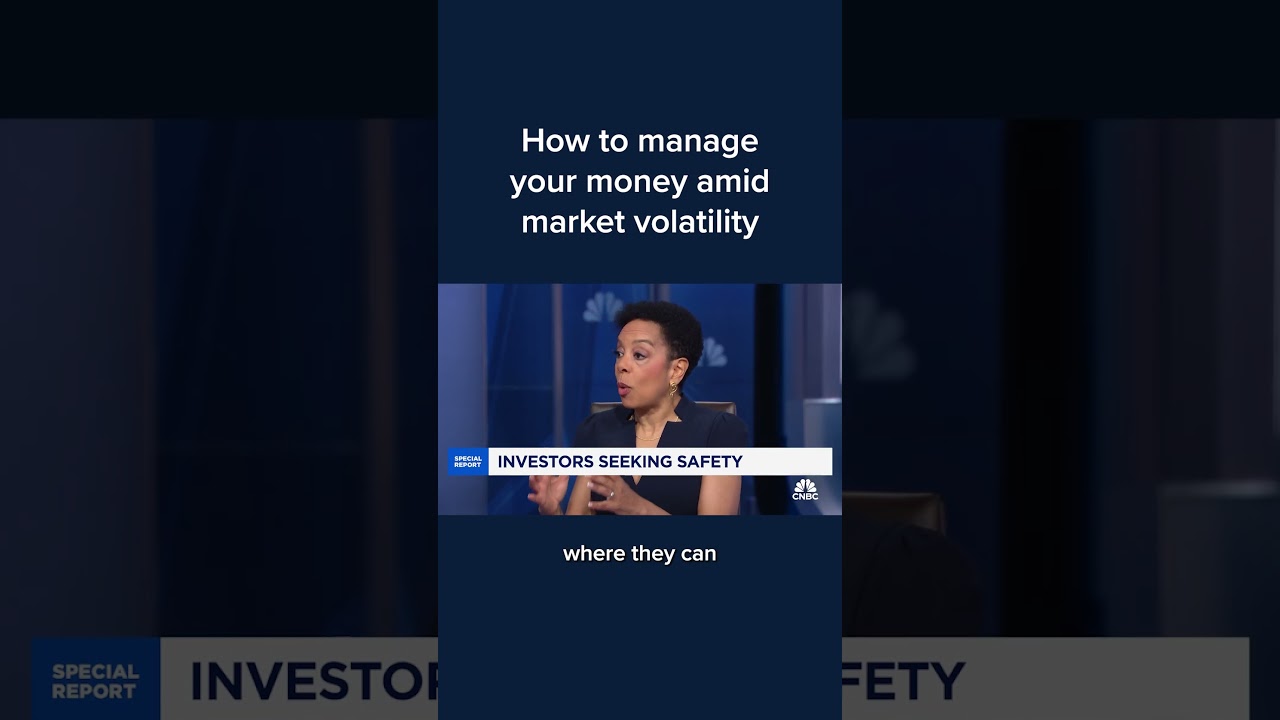

Navigating the Rollercoaster: How to Manage Your Money Amid Market Volatility
The stock market is rarely a smooth ride. Periods of significant market volatility – characterized by sharp and unpredictable price swings – are a natural part of the economic cycle. While unsettling, these periods don’t have to derail your financial goals. With a calm head and a strategic approach, you can navigate the market’s ups and downs and even potentially benefit from them.
Here’s a guide to managing your money effectively during volatile market conditions:
1. Stay Calm and Resist Panic:
This is the most crucial advice. Volatility often triggers emotional responses – fear, anxiety, and the urge to “do something.” Resist the temptation to make rash decisions based on short-term market fluctuations. Selling off your investments in a panic can lock in losses and potentially miss out on future rebounds. Remember, investing is a long-term game.
2. Revisit Your Investment Strategy:
Now is a good time to review your overall financial plan. Ask yourself:
- What are my investment goals? (e.g., retirement, down payment on a house, education)
- What is my risk tolerance? (How comfortable are you with potential losses?)
- What is my time horizon? (How long do you have before you need the money?)
Ensure your portfolio aligns with your goals, risk tolerance, and time horizon. If your risk tolerance is lower than your current portfolio suggests, consider adjusting your asset allocation.
3. Rebalance Your Portfolio:
Market volatility can disrupt your desired asset allocation (the mix of stocks, bonds, and other investments). If, for instance, stocks have significantly outperformed bonds, your portfolio might be overweight in stocks, increasing your overall risk.
Rebalancing involves selling some of your over-performing assets (e.g., stocks) and buying under-performing ones (e.g., bonds) to restore your target allocation. This process helps you maintain a diversified portfolio that aligns with your risk profile.
4. Dollar-Cost Averaging: A Smart Strategy:
Dollar-cost averaging is a strategy where you invest a fixed amount of money at regular intervals, regardless of market conditions. This helps you buy more shares when prices are low and fewer shares when prices are high, potentially lowering your average cost per share over time. If you have cash to invest, consider using dollar-cost averaging to gradually enter the market instead of trying to time the bottom.
5. Focus on the Long Term:
Investing is a marathon, not a sprint. Don’t get caught up in daily market noise. Focus on the long-term potential of your investments and the overall strength of the companies you’ve invested in. Historically, the stock market has always recovered from downturns.
6. Diversify, Diversify, Diversify:
Diversification is your shield against market volatility. Don’t put all your eggs in one basket. Spread your investments across different asset classes (stocks, bonds, real estate, commodities), sectors (technology, healthcare, energy), and geographic regions. A well-diversified portfolio can cushion the impact of losses in any single investment.
7. Consider Professional Advice:
If you’re feeling overwhelmed or unsure about how to manage your money during volatile times, consider seeking advice from a qualified financial advisor. A professional can help you develop a personalized investment strategy, assess your risk tolerance, and provide objective guidance.
8. Don’t Forget Cash Reserves:
Having an emergency fund is crucial in any economic climate, but especially during volatile times. It provides a safety net if you lose your job or face unexpected expenses, preventing you from having to sell investments during a downturn. Aim to have 3-6 months’ worth of living expenses in a readily accessible, liquid account.
9. Be Patient and Disciplined:
Market volatility can be unnerving, but it’s important to stay patient and disciplined. Stick to your long-term investment strategy, avoid making impulsive decisions, and remember that market fluctuations are a normal part of the investing process.
In Conclusion:
Market volatility is an inevitable part of investing. By staying calm, revisiting your investment strategy, diversifying your portfolio, and focusing on the long term, you can navigate these challenging periods and stay on track toward achieving your financial goals. Remember, smart, informed decisions, not panic, are the key to weathering the storm.
LEARN MORE ABOUT: Investing During Inflation
REVEALED: Best Investment During Inflation
HOW TO INVEST IN GOLD: Gold IRA Investing
HOW TO INVEST IN SILVER: Silver IRA Investing




Buying VOO every 2 weeks regardless of price. Time in the market beats timing the market.
I'm moving money from target date funds to mega large cap.
Liquid be liquid