
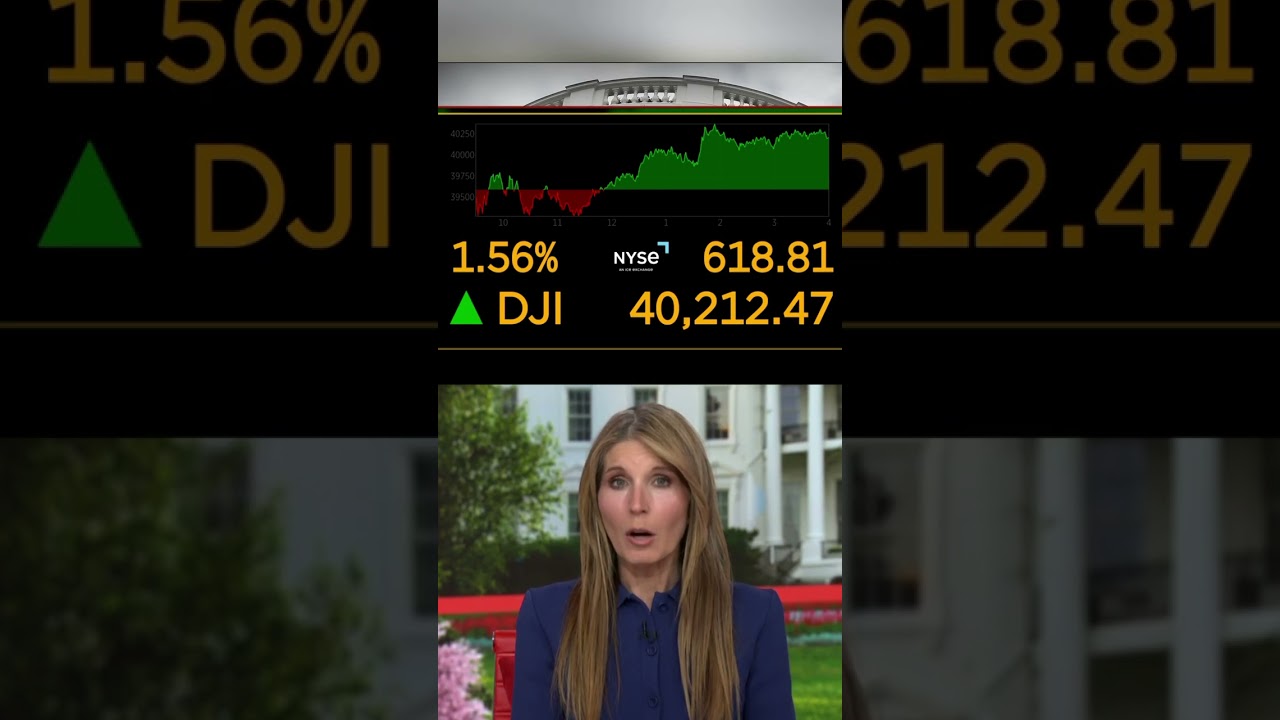

Beyond the Headlines: Why Nicolle Wallace Might Be Right to Sound the Alarm on the Economy
While the nightly news focuses on surface-level economic indicators like the stock market’s daily fluctuations and job creation figures, some analysts are digging deeper, identifying potentially more insidious trends that could spell trouble for the future. Nicolle Wallace, host of MSNBC’s “Deadline: White House,” has often been a voice raising concerns about the long-term health of the American economy, and while her background is in politics and communications, her observations merit attention. There are, in fact, other deeply ominous signs that often get overshadowed by more positive-sounding narratives.
Wallace, along with other economists and policy experts, has pointed to several under-reported areas that paint a less rosy picture than the headline numbers suggest. These include:
1. Stagnant Wage Growth & Persistent Inflation: While inflation has cooled from its peak, it remains stubbornly above the Federal Reserve’s target. This, coupled with wage growth that hasn’t kept pace with rising costs of living, creates a significant squeeze on household budgets. Many families are finding themselves forced to deplete savings or rely on credit to maintain their standard of living. This erosion of purchasing power is a silent threat to long-term economic stability.
2. The Debt Burden: A Ticking Time Bomb: Both personal and national debt levels are alarmingly high. Student loan debt, credit card debt, and auto loans are weighing heavily on individuals, limiting their ability to save, invest, and stimulate economic growth. Simultaneously, the national debt continues to climb, raising concerns about future tax burdens and potential cuts to vital social programs. This looming debt crisis could trigger a significant economic downturn if left unaddressed.
3. Inequality Widening: A Recipe for Social Unrest: The gap between the rich and the poor continues to expand, with wealth increasingly concentrated at the top. This disparity creates economic instability by limiting opportunities for upward mobility and fueling social unrest. A shrinking middle class and a growing population struggling to make ends meet can lead to decreased consumer spending and a stagnant economy.
4. The Fragility of Global Supply Chains: The pandemic exposed the vulnerability of global supply chains. Geopolitical tensions, climate change-related disruptions, and trade wars further exacerbate these vulnerabilities, leading to potential shortages, price spikes, and economic instability. The reliance on interconnected global networks leaves the American economy susceptible to external shocks.
5. Underemployment & the Gig Economy: While official unemployment figures might appear low, they often mask the reality of underemployment – individuals working part-time or in jobs that don’t utilize their skills and education. The rise of the gig economy, while offering flexibility, often comes with a lack of job security, benefits, and consistent income, leaving many workers vulnerable to economic hardship.
It’s important to note that Wallace is not an economist, and her analysis is often filtered through a political lens. However, the underlying concerns she raises are echoed by economists and financial experts across the political spectrum.
Why This Matters:
Ignoring these “deeply ominous signs” in favor of superficial economic indicators would be a grave mistake. A proactive approach is needed, involving:
- Addressing Income Inequality: Policies that promote fair wages, affordable housing, and access to education and healthcare are crucial.
- Investing in Infrastructure: Modernizing infrastructure creates jobs, boosts productivity, and lays the foundation for long-term economic growth.
- Strengthening Social Safety Nets: Providing a safety net for those who fall on hard times is essential to prevent economic hardship and maintain social stability.
- Managing National Debt: Responsible fiscal policies are needed to address the growing national debt and ensure long-term financial sustainability.
Nicolle Wallace’s platform gives her a significant reach, and her highlighting these often-overlooked economic anxieties can serve as a necessary wake-up call. While her perspective is undoubtedly shaped by her political viewpoint, the economic anxieties she amplifies deserve serious consideration. Only by acknowledging and addressing these deeper, more ominous signs can we hope to build a more resilient and equitable economy for the future.
LEARN MORE ABOUT: Investing During Inflation
REVEALED: Best Investment During Inflation
HOW TO INVEST IN GOLD: Gold IRA Investing
HOW TO INVEST IN SILVER: Silver IRA Investing




A weakling can only damage. Biden built.
Apparently HE doesn't have the cards!!