
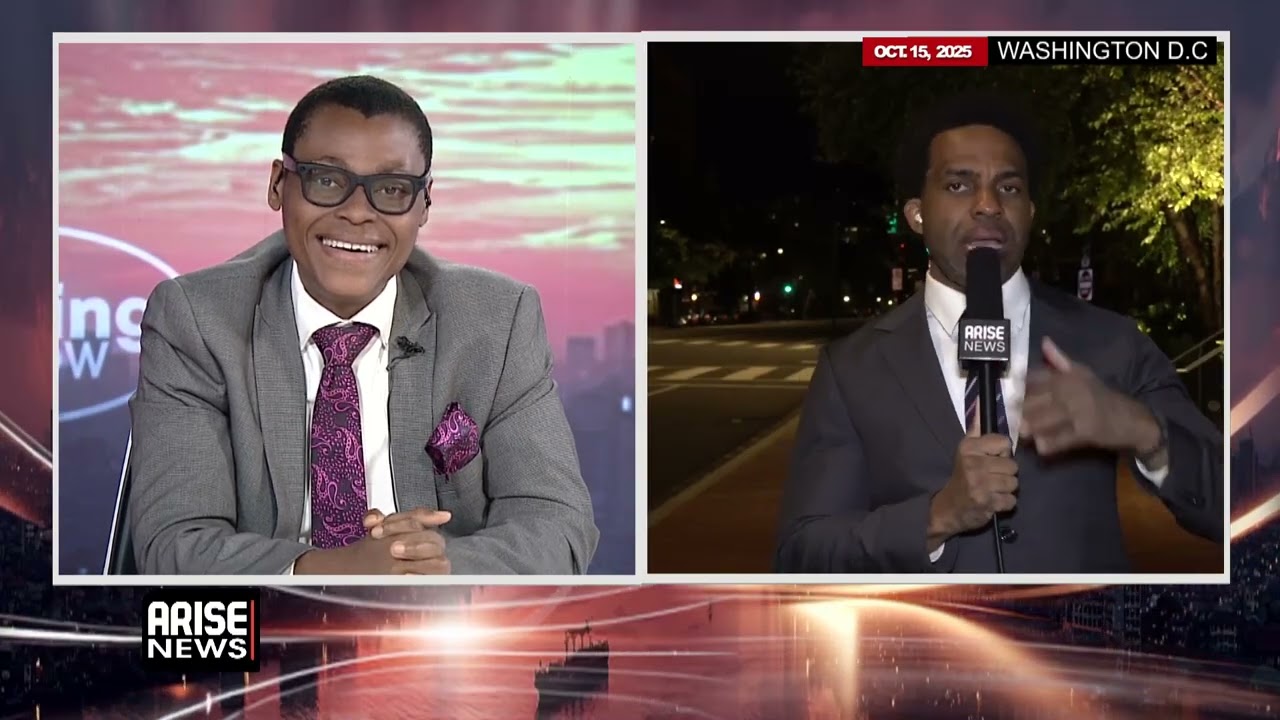

Nigeria’s Inflation Eases for Sixth Consecutive Month as Economic Team Courts Investors in DC
Nigeria’s inflation rate has continued its downward trend, slowing for the sixth consecutive month in September, offering a glimmer of hope amidst ongoing economic challenges. The National Bureau of Statistics (NBS) reported a headline inflation rate of 26.63% for September, down from 27.34% in August. This positive movement coincides with efforts by Nigeria’s economic team, led by Coordinating Minister of the Economy, Wale Edun, to attract foreign investment in Washington DC.
The sustained deceleration in inflation, albeit still high, is attributed to various factors including government interventions aimed at stabilizing the exchange rate and boosting agricultural production. While the specific drivers vary across sectors, experts point to the impact of improved local food supply and the Central Bank of Nigeria’s (CBN) monetary policies, although these policies are still under scrutiny.
Key Highlights from the September Inflation Report:
- Food Inflation: While still a major concern, food inflation also saw a slight decrease, easing to 30.64% in September from 31.5% in August. This is a crucial area, as food prices are a significant contributor to overall inflation and disproportionately affect low-income households.
- Core Inflation: Core inflation, which excludes volatile agricultural produce, also moderated slightly, indicating some success in managing underlying inflationary pressures.
- Regional Variations: Inflation rates varied across states, highlighting the uneven distribution of economic pressures across the country.
While the slowing inflation is a welcome development, economists warn against complacency. The rate remains significantly above the CBN’s target range and continues to erode purchasing power, impacting businesses and households alike.
Nigeria’s Economic Team Courts Investors in DC:
Amidst these domestic economic developments, Nigeria’s economic team is actively engaging with investors and international financial institutions in Washington DC. The mission, coinciding with the World Bank and International Monetary Fund (IMF) annual meetings, aims to showcase Nigeria’s economic potential and attract much-needed foreign direct investment (FDI).
The team, led by Wale Edun, is presenting Nigeria’s economic reform agenda, focusing on key areas such as:
- Fiscal Reforms: Demonstrating commitment to fiscal discipline, revenue generation, and efficient public spending.
- Monetary Policy Reforms: Highlighting the CBN’s efforts to stabilize the exchange rate and control inflation.
- Investment Opportunities: Showcasing opportunities in key sectors such as agriculture, infrastructure, manufacturing, and technology.
- Easing the Business Environment: Addressing concerns regarding regulatory bottlenecks and improving the ease of doing business.
Challenges and Opportunities:
Attracting foreign investment is critical for Nigeria to achieve sustainable economic growth and address its numerous challenges, including unemployment, poverty, and infrastructure deficits. However, the country faces significant hurdles, including:
- Security Concerns: Security challenges in various parts of the country continue to deter investment.
- Infrastructure Deficiencies: Poor infrastructure, including inadequate power supply and transportation networks, raises the cost of doing business.
- Policy Uncertainty: Frequent changes in policies and regulations create uncertainty and discourage long-term investment.
Despite these challenges, Nigeria boasts significant potential, including a large and youthful population, abundant natural resources, and a growing entrepreneurial spirit. To unlock this potential, the government must prioritize:
- Addressing Security Challenges: Strengthening security agencies and implementing strategies to address insecurity in affected areas.
- Investing in Infrastructure: Prioritizing investments in critical infrastructure projects to improve connectivity and reduce the cost of doing business.
- Creating a Stable and Predictable Policy Environment: Ensuring policy consistency and providing a clear regulatory framework to attract and retain investment.
Conclusion:
The slowing inflation rate provides a much-needed positive narrative for Nigeria’s economy, while the proactive engagement with investors in Washington DC underscores the government’s commitment to attracting FDI. While significant challenges remain, Nigeria’s economic team’s efforts to showcase the country’s potential and address investor concerns could pave the way for increased investment and sustainable economic growth in the long run. The key will be consistent implementation of reforms and a concerted effort to address the underlying challenges that continue to hold the country back.
LEARN MORE ABOUT: Investing During Inflation
REVEALED: Best Investment During Inflation
HOW TO INVEST IN GOLD: Gold IRA Investing
HOW TO INVEST IN SILVER: Silver IRA Investing




Will inflation rate disappeared overnight, why is ds guy so dumb….
I dont know why Rufai always play politics with any slight opportunity…
Rufai needs to be contained. He is Annoying
It's hard to take Rufai seriously; he really seems out of his depth when it comes to investment and engineering. His perspective feels more antagonistic than insightful!
The progress of this adminstration is a big threat for Rufai, Trust me he always have sleepless night. He has started started talking trash on the concrate road the govt is doing now, saying concrete roads are bad.