
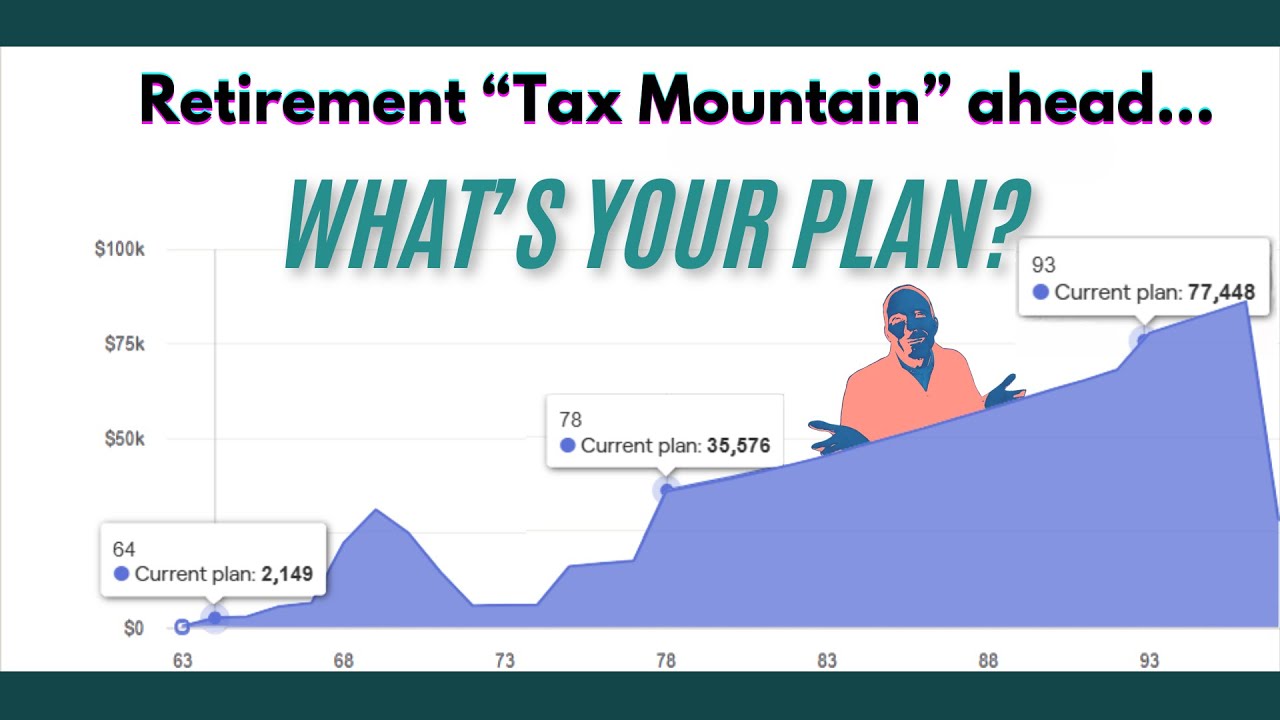

The Future Retirement Tax Mountain: How to Flatten It Before You Retire
Retirement. The word conjures images of relaxation, travel, and pursuing passions. But before you can fully embrace that picture, there’s a looming challenge you need to tackle: the retirement tax mountain. Many Americans are unknowingly sitting on a tax time bomb that could significantly erode their retirement savings. Understanding this potential issue and taking proactive steps to flatten the tax mountain before you retire is crucial for a secure and comfortable future.
What is the Retirement Tax Mountain?
Simply put, the retirement tax mountain refers to the accumulated taxable retirement savings that will be subject to income tax upon withdrawal. This primarily includes:
- Traditional 401(k)s and IRAs: These accounts offer tax-deferred growth, meaning you don’t pay taxes on the contributions or earnings until retirement when you start withdrawing the money.
- Other Taxable Investments: Investments held in brokerage accounts, real estate (beyond a primary residence), and other assets that generate taxable income.
The problem arises when you realize the sheer size of this mountain. Decades of contributions and investment growth, combined with potential future tax rate increases, can create a substantial tax burden that can significantly impact your retirement income. Suddenly, that dream vacation might seem a little less attainable.
Why is This a Growing Concern?
Several factors are contributing to the rise of the retirement tax mountain:
- Increased Reliance on Defined Contribution Plans: Compared to traditional pensions, individuals now bear more responsibility for saving for retirement, often through 401(k)s and IRAs.
- Successful Investment Growth: Ironically, successful investing over the years can amplify the problem. The larger your retirement accounts, the more taxes you’ll potentially owe.
- Uncertain Future Tax Rates: Historically low tax rates might not last forever. Many financial experts believe that tax rates could increase in the future due to growing national debt and changing demographics.
- The SECURE Act and Beyond: Legislative changes like the SECURE Act, while aiming to improve retirement security, can also introduce new rules regarding required minimum distributions (RMDs) and estate planning, potentially impacting your tax liability.
How to Flatten the Mountain Before Retirement:
The good news is you can take steps now to mitigate the potential impact of the retirement tax mountain. Here’s a strategic approach:
-
Assess Your Current Situation:
- Calculate Your Projected Retirement Income: Estimate your future income from Social Security, pensions, and your retirement savings accounts.
- Estimate Your Future Tax Rate: While predicting future tax rates is impossible, consider different scenarios and estimate potential tax liabilities. Tools and calculators are available online to help with this.
- Identify Potential Tax “Hot Spots”: Recognize which accounts are tax-deferred and therefore subject to income tax in retirement.
-
Explore Roth Conversions:
- Understanding Roth Conversions: A Roth conversion involves transferring funds from a traditional IRA or 401(k) to a Roth IRA. You pay income tax on the converted amount in the year of the conversion, but future withdrawals in retirement are tax-free.
- Strategic Timing is Key: Consider converting when you are in a lower tax bracket, such as during a career break or when you expect to be in a higher tax bracket in retirement.
- Beware of the Tax Bill: Conversions can significantly increase your current year’s tax bill, so plan accordingly. Consult with a tax professional to determine if a Roth conversion is right for you.
-
Maximize Tax-Advantaged Accounts:
- Health Savings Accounts (HSAs): If you’re eligible, contribute to an HSA. These offer a triple tax advantage: contributions are tax-deductible, earnings grow tax-free, and withdrawals for qualified medical expenses are tax-free.
- Consider Tax-Loss Harvesting: Strategically selling losing investments can offset capital gains and potentially reduce your overall tax burden.
-
Plan for Tax-Efficient Withdrawals:
- Diversify Your Tax Landscape: Having a mix of taxable, tax-deferred, and tax-free accounts allows you to strategically withdraw funds based on your current tax situation.
- Consider the Order of Withdrawal: Carefully plan which accounts to draw from first to minimize your tax liability.
-
Consult with Professionals:
- Financial Advisor: A qualified financial advisor can help you develop a comprehensive retirement plan tailored to your specific needs and goals.
- Tax Professional: A tax professional can provide expert advice on tax planning strategies and help you navigate the complexities of the tax code.
The Time to Act is Now:
The retirement tax mountain is a real and growing concern for many Americans. By taking proactive steps now, you can flatten that mountain, reduce your future tax burden, and enjoy a more financially secure retirement. Don’t wait until it’s too late. Educate yourself, assess your situation, and seek professional guidance to build a retirement plan that works for you. Your future self will thank you.
LEARN MORE ABOUT: IRA Accounts
TRANSFER IRA TO GOLD: Gold IRA Account
TRANSFER IRA TO SILVER: Silver IRA Account
REVEALED: Best Gold Backed IRA




0 Comments