
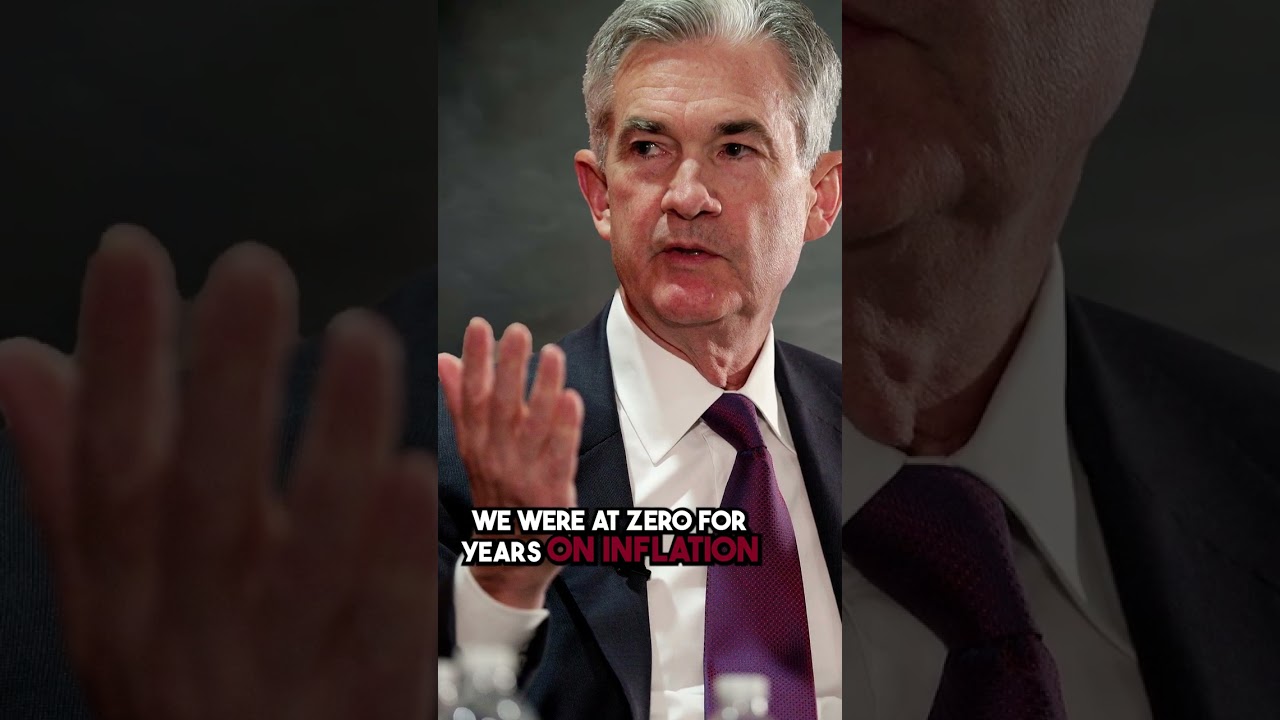

Powell’s Big Talk: Insights and Implications
Jerome Powell, the Chair of the Federal Reserve, has become a pivotal figure in economic discourse, especially amid tumultuous financial landscapes. Known for his candid approach, Powell’s "Big Talk" refers to his public addresses that often shape market perceptions and influence monetary policy.
The Context of Powell’s Big Talk
In recent years, economic challenges such as inflation, unemployment, and global economic instability have forced central banks, including the Federal Reserve, to reassess their strategies. Powell’s speeches, particularly those made during Federal Open Market Committee (FOMC) meetings or significant economic conferences, have become essential for understanding the Fed’s trajectory.
Key Themes in Powell’s Addresses
-
Inflation Control:
One of Powell’s primary focuses has been tackling rising inflation rates. During his addresses, he emphasizes the Fed’s commitment to maintaining price stability, often advocating for interest rate hikes to curb inflationary pressures. His explanations are usually grounded in economic data, which helps demystify the Fed’s decision-making process for the public. -
Job Markets:
Powell frequently discusses the importance of a robust job market, recognizing its role in economic recovery. He often highlights the Fed’s dual mandate: promoting maximum employment while stabilizing prices. This balance is critical for ensuring sustainable economic growth. -
Global Economic Factors:
Powell acknowledges that the U.S. economy does not operate in isolation. His speeches often reflect on global economic conditions, noting how international events, trade policies, and geopolitical tensions can impact domestic economic health. - Financial Stability:
Another recurring theme in Powell’s talks is financial stability. He discusses the potential risks posed by market fluctuations, bubbles, and systemic threats, indicating the Fed’s proactive stance in monitoring and addressing these challenges.
Implications of Powell’s Big Talk
Powell’s eloquence and clarity in addressing complex issues have several implications:
-
Market Reaction:
Financial markets closely monitor his speeches. Investors often react to his comments, leading to volatility in stock and bond markets. Clear guidance from Powell can instill confidence or apprehension among market participants. -
Public Understanding:
His straightforward communication style enhances public understanding of monetary policy. By breaking down intricate economic concepts, he allows citizens to grasp how these policies may affect their daily lives. - Political Landscape:
Powell’s pronouncements can also influence the political climate. The Fed’s actions may evoke responses from lawmakers, both supporting and opposing its policies, thus shaping economic legislation.
Conclusion
Jerome Powell’s Big Talk is more than just a series of speeches; it represents a crucial interface between the Federal Reserve and the public. As economic challenges continue to evolve, Powell’s insights provide an essential gauge for understanding the Federal Reserve’s approach and its implications for the broader economy. His ability to communicate effectively ensures that the complexities of economic policy are accessible, fostering a more informed public dialogue around monetary issues.
LEARN ABOUT: Investing During Inflation
REVEALED: Best Investment During Inflation
HOW TO INVEST IN GOLD: Gold IRA Investing
HOW TO INVEST IN SILVER: Silver IRA Investing




people dont understand where inflation comes from.
fractional reserve banking.
normally, the ratio is fixed, but during covid, the ratio was eliminated. Then later put back into place.
That is/was the source of todays inflation. It will taper off after the majority of the loans end. 5 years, for car loans.
Because it's all one big ponzi scam.
I think both will happen! (one reality inside a new US CBDC, one reality outside it's use)?? The 10yr Interest Rate will get to new highs in mid-May- June in alignment with the 'Debt Ceiling' fight that will go on into December! In 2011 and 2013 debt ceiling showdowns spiked interest rates and this is going to be a fight that the GOP is setting up for with McCarthy! I'm hoping to catch 6%-7% rates for the 10 year before this is over. The Fed will not be able to bring down rates and inflation will remain high as we are in Stagflation for years. My guess is that the US CBDC will be adopted though the appeal that it will provide both 'Inflation Protection and FDIC insurance' with a 2% target assurance. Inflation outside of the US CBDC will remain high and may become less of a focus to the Fed. They may show the new road being the US CBDC currency i.e. if you stay in the USD your money will evaporate through high inflation, come and be saved through our new digital currency. Like an Metaverse currency that provides an alternate reality through the US CBDC! Thoughts?
No matter how one slices it, the economy is headed into the financial abyss.