
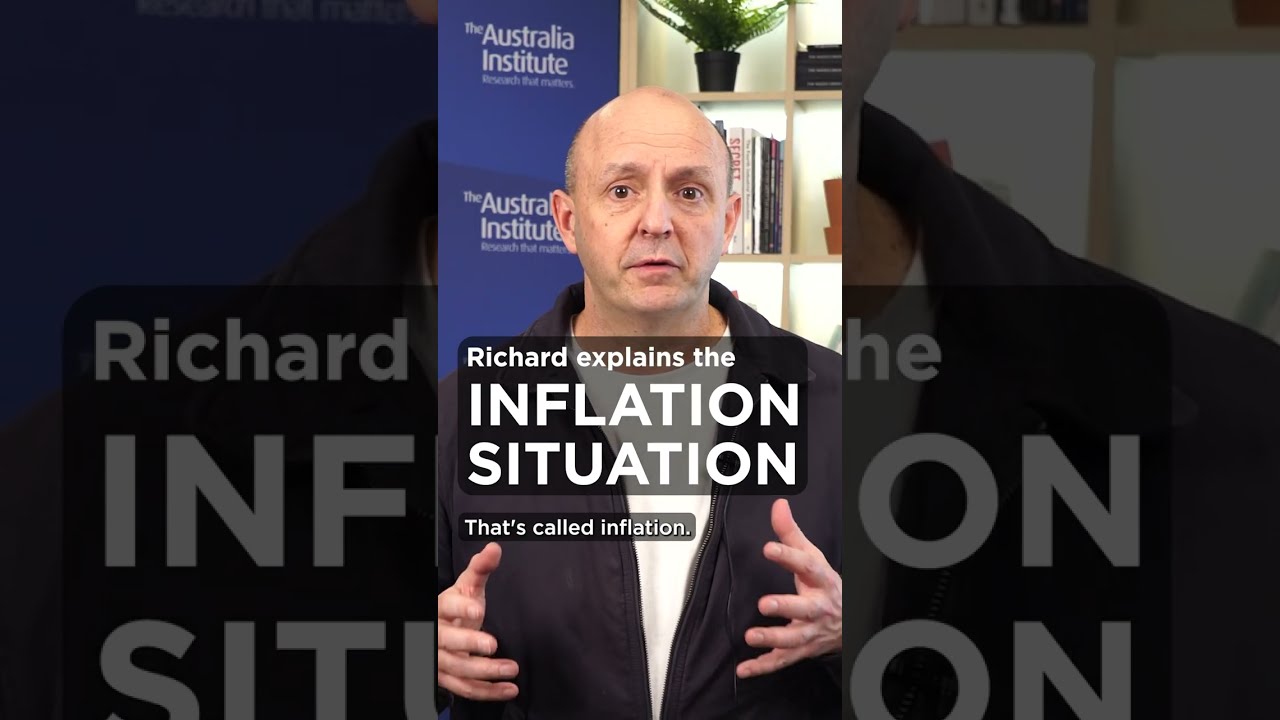

Inflation: Companies Making Record Profits While People Struggle
In recent years, the phenomenon of inflation has become a hot topic, often accompanied by rising prices for essentials like food, fuel, and housing. While consumers feel the pinch in their wallets, an intriguing pattern has emerged: many companies are reporting record profits. Richard Denniss, a prominent economist and commentator, sheds light on this paradox, illuminating the disconnect between corporate gains and everyday struggles.
Understanding Inflation
Inflation is a measure of how prices rise over time, eroding purchasing power. During inflationary periods, people find that their dollars buy less than they used to. This leads to a decline in real wages, meaning workers have to stretch their earnings further as living costs rise. For many households, this translates to tough decisions about spending and saving, often leading to increased financial stress.
Corporate Profits Soar
Contrastingly, many corporations have reported substantial profit margins during the same inflationary period. Denniss points out that several factors contribute to this trend:
-
Price Increases: Companies have often seized the opportunity to raise prices, passing on higher costs to consumers while still managing to protect their profit margins.
-
Market Power: Many sectors are dominated by a few large players. This lack of competition allows companies the leeway to increase prices without losing customers.
- Cost-Cutting Measures: Some companies have reduced labor costs or streamlined operations, which can lead to greater profitability even in the face of rising prices.
The Divergence of Experiences
This stark contrast between corporate profits and consumer struggles raises important questions about economic equity and accountability. While companies thrive, many individuals face financial hardships, a situation exacerbated by stagnant wages and ongoing supply chain issues. Denniss argues that this situation is unsustainable and calls for policy discussions on fair pricing, profit regulation, and supporting consumer welfare.
The Broader Implications
The implications extend beyond just economics; they touch on social justice and the moral obligations of corporations. As companies continue to rake in profits, the burden often falls disproportionately on vulnerable populations. Understanding this dynamic is crucial for policymakers aiming to create a more equitable economic landscape.
Conclusion
Inflation doesn’t affect everyone equally. While many companies enjoy record profits, millions of individuals and families navigate the hardships of rising living costs. Richard Denniss’s insights serve as a vital reminder that the economic narrative needs to encompass both corporate success and consumer struggles to foster a more balanced and fair economy.
In discussions about inflation, it’s essential to keep these discrepancies in mind, pushing for solutions that address both the challenges faced by everyday people and the corporate strategies contributing to this widening gap.
LEARN ABOUT: Investing During Inflation
REVEALED: Best Investment During Inflation
HOW TO INVEST IN GOLD: Gold IRA Investing
HOW TO INVEST IN SILVER: Silver IRA Investing




Your an idiot
The best thing to do would be tax corporations sufficiently, close tax loop holes, reduce legal migration, end negative gearing for more than 1 rental property, end capitsl gains tax concession and introduce a wealth tax – that way you would be removing money from the economy (reducing inflation) while not putting a burden on working Australians.
Corruption causes inflation. Asinine corruption has compound interest, and us ratchet mob gotta always pay da price, while you mob all busy talking about macrocosmic economic nonsense. The local shire is the jackbot thug keeping the situaltion Asinine, and corrupted. Their slave farms. Focussed on corporate services, rather than the obvious simple quality life opportunities before us all. Even, the peoples missing out, on the bottom..
We need to reign in reliance on corporates. Controlling profits is a grovel to the art of oppression. ALSO, Quality life is a matter of community, a reflection of status. NOT MONEY.
I MEAN, how much stuff do you need to consume before you buy stuff that lasts, etc? And, your property market is a vicius circle. There has to be a better way, any ideas?
Nailed it. Companies caused inflation & everyday people are paying the price because the only tool the RBA uses is the official cash rate
Must have read that in his little red book
This is the system we have created. Its dying because of greed and in the next 100 years it will come crashing down.
If the purpose of interest rate rises is to remove money from the economy to create less spending why can't the government fix interest rates at 5 percent then increase superannuation contributions for a short period of time?
Do that SEE wat happens
The great Milton Friedman explains inflation is mainly from government spending not company profits. Diluting what dollars are by printing more of them disconnects them from actual value – like productive creation of value like company profits.
Inflation is caused by to much money in circulation, period. As the supply of anything goes up the value of that thing goes down. Economics 101.
Sounds like a Commy to me.
Super funds are getting huge growth. Is it time to reign on the profit of super funds
Economist or political activist? Obviously these profits explain why the building industry is going broke.
how about taxing companies the same as people why should business pay zero tax meanwhile I work 3000 hours a year just so I can pay 55% tax. Keep it fair everyone the same so companies that make profits above 180000 pay 45% tax they can get the GST free as an incentive ?
Profits don't cause inflation muppet