
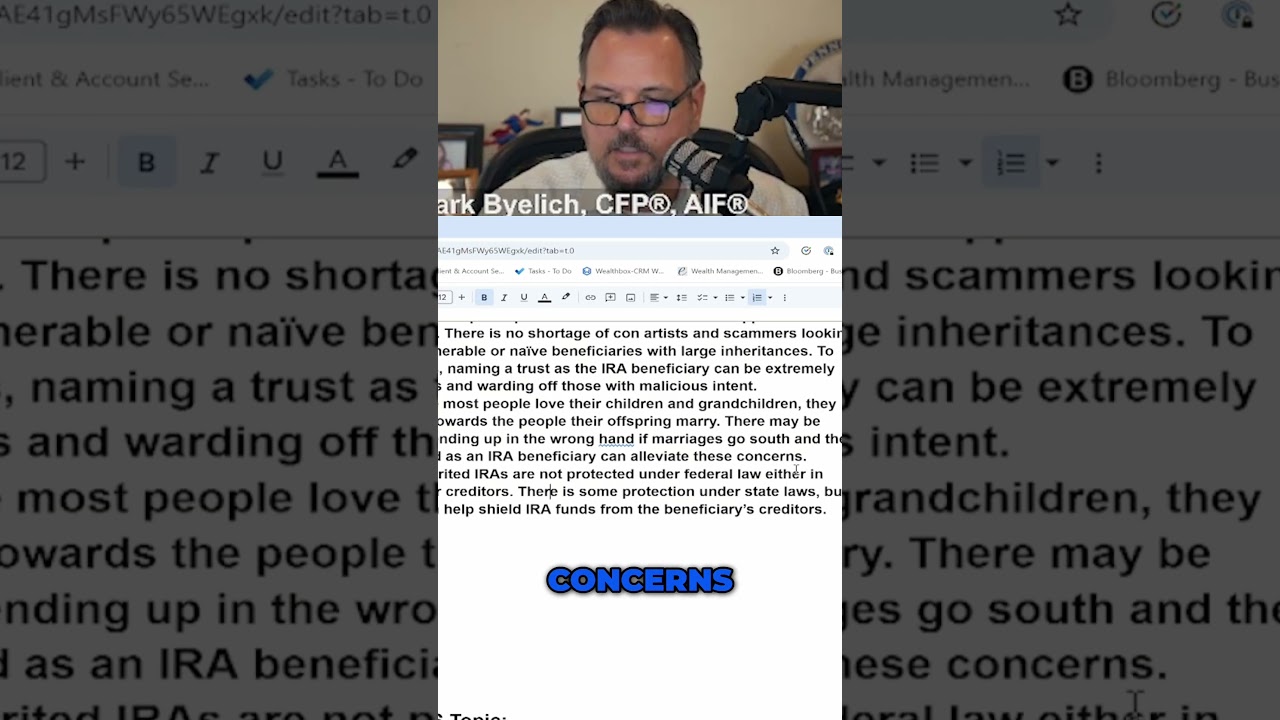

IRA Creditor Protection: Safeguarding Your Retirement Funds
Your Individual retirement account (IRA) is a cornerstone of your retirement savings. But what happens to it if you face financial hardship, lawsuits, or bankruptcy? Understanding IRA creditor protection is crucial for securing your financial future and ensuring those hard-earned savings are shielded from potential creditors.
This article explores the complexities of IRA creditor protection, providing valuable insights into how you can safeguard your retirement nest egg.
What is IRA Creditor Protection?
IRA creditor protection refers to the legal safeguards that prevent creditors from seizing your IRA assets to satisfy debts. The extent of this protection varies depending on the type of IRA, federal and state laws, and the specific circumstances of your financial situation.
Types of IRAs and Their Protection:
- Traditional IRA: Funded with pre-tax dollars, offering tax-deferred growth. Distributions are taxed as ordinary income in retirement.
- Roth IRA: Funded with after-tax dollars, offering tax-free growth and withdrawals in retirement.
- SEP IRA: Simplified Employee Pension plan designed for self-employed individuals and small business owners.
- SIMPLE IRA: Savings Incentive Match Plan for Employees, a retirement savings plan for small businesses.
Federal Bankruptcy Law and IRAs:
Federal bankruptcy law provides significant protection for IRAs. Under the Bankruptcy Abuse Prevention and Consumer Protection Act of 2005 (BAPCPA), the following are generally exempt from bankruptcy proceedings:
- Traditional and Roth IRAs: Exempt up to an inflation-adjusted amount (currently over $1.5 million, adjusted periodically). This exemption applies to IRAs that are considered “retirement funds to the extent those funds are in a fund or account that is exempt from taxation under section 401, 403, 408, 408A, 414, 457, or 501(a) of the Internal Revenue Code.”
- SEP and SIMPLE IRAs: Receive similar protection as traditional and Roth IRAs under federal bankruptcy law.
- Rollover IRAs: Funds rolled over from employer-sponsored retirement plans (401(k), 403(b), etc.) into an IRA generally retain their previous level of protection.
Important Considerations:
- Fraudulent Transfers: The protection offered by bankruptcy law may not apply if you transferred assets into an IRA shortly before filing for bankruptcy with the intent to defraud creditors.
- Excessive Contributions: While the federal exemption is significant, courts may scrutinize situations where excessive contributions were made to an IRA right before filing for bankruptcy.
- State Laws: While federal law provides a baseline level of protection, state laws can further enhance or limit this protection.
State Laws and IRA Protection:
Many states have their own laws regarding IRA creditor protection. These laws can:
- Provide greater protection: Some states offer unlimited protection for IRAs, regardless of the amount.
- Mirror federal law: Other states align their laws with the federal bankruptcy exemption.
- Offer limited protection: A few states provide less protection than the federal exemption.
Examples of State Laws:
- Texas: Offers unlimited protection for IRAs from creditors, even outside of bankruptcy proceedings.
- Florida: Provides broad protection for retirement funds, including IRAs, against creditors.
- California: Generally follows the federal bankruptcy exemption, but also provides separate exemptions for retirement plans outside of bankruptcy.
How to Maximize IRA Creditor Protection:
- Consult with a qualified attorney: An attorney specializing in bankruptcy and estate planning can advise you on the specific laws in your state and how they apply to your situation.
- Keep accurate records: Maintain detailed records of your IRA contributions, rollovers, and distributions.
- Avoid commingling funds: Do not mix personal or business funds with your IRA assets.
- Plan early: Proactive planning is essential. Don’t wait until you are facing financial difficulties to address IRA protection.
- Consider state-specific strategies: If you live in a state with limited IRA protection, explore options like transferring your IRA to a state with stronger protection (consult with a professional first).
Beyond Bankruptcy:
It’s important to remember that IRA creditor protection often extends beyond bankruptcy proceedings. Some states provide protection from lawsuits, judgments, and other types of creditor claims. Understanding these protections can offer peace of mind knowing your retirement savings are secure.
The Bottom Line:
IRA creditor protection is a vital aspect of retirement planning. While federal bankruptcy law provides a solid foundation, state laws can significantly impact the level of protection offered. By understanding these laws and taking proactive steps, you can safeguard your retirement funds from potential creditors and ensure a more secure financial future. Consult with a qualified legal and financial professional to develop a personalized strategy that addresses your specific needs and circumstances. This will allow you to navigate the complexities of IRA creditor protection and protect your hard-earned retirement savings.
LEARN MORE ABOUT: IRA Accounts
TRANSFER IRA TO GOLD: Gold IRA Account
TRANSFER IRA TO SILVER: Silver IRA Account
REVEALED: Best Gold Backed IRA




0 Comments