
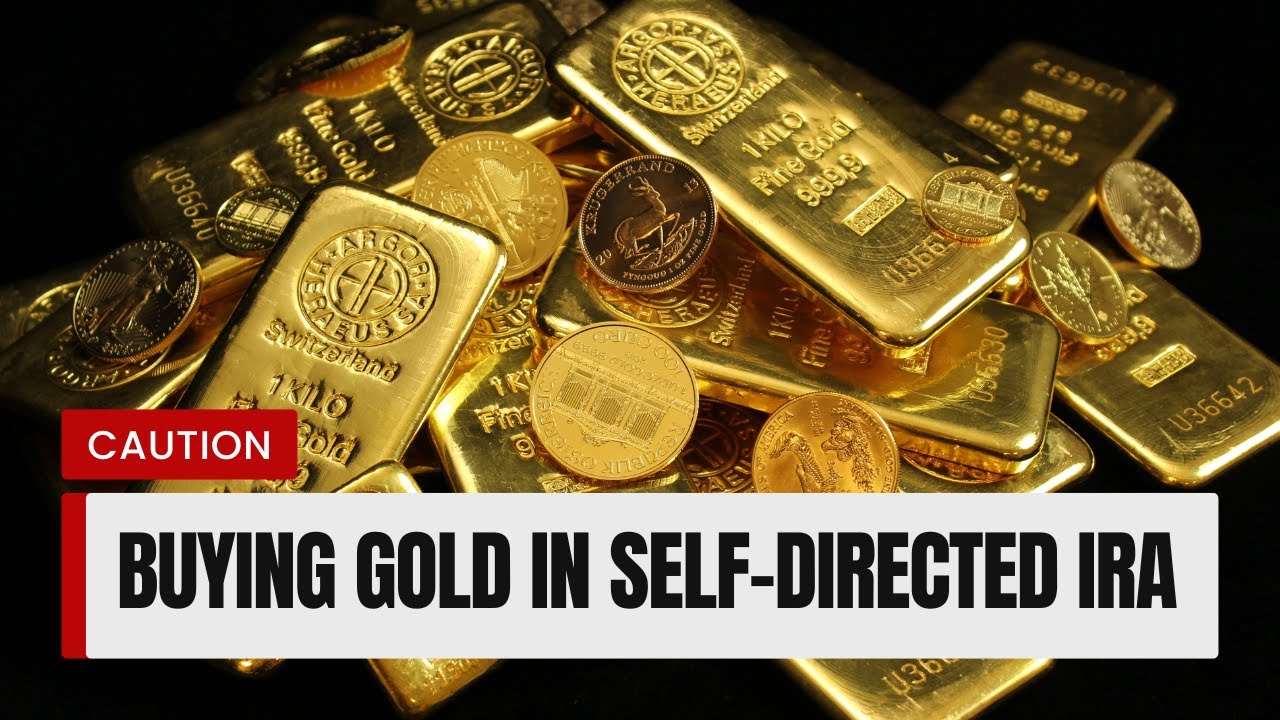

Buying Gold & Silver in Your Self-Directed IRA: Words of Caution
Investing in precious metals like gold and silver has historically been viewed as a hedge against inflation and economic uncertainty. With the rise of self-directed Individual Retirement Accounts (IRAs), many investors are now looking to include physical gold and silver in their retirement portfolios. While this can be an enticing opportunity, it also comes with its own set of challenges and risks. Here’s what you should consider before diving into precious metals within your self-directed IRA.
Understanding Self-Directed IRAs
A self-directed IRA allows investors greater freedom in selecting alternative investments, including real estate, commodities, and precious metals like gold and silver. However, while these IRAs offer more investment choices, they also come with increased responsibility. Investors must build a thorough understanding of the rules governing self-directed IRAs, especially concerning the acquisition of physical assets.
Regulatory Compliance
One of the first cautions regarding buying gold and silver in a self-directed IRA is ensuring compliance with IRS regulations. The Internal Revenue Service permits precious metals as part of an IRA, but they must meet specific requirements:
- Purity Standards: The gold must be at least 99.5% pure, and silver must be at least 99.9% pure.
- Approved Products: Only certain coins and bullion are approved. Popular choices include American Eagle coins, Canadian Maple Leaf coins, and specific bullion bars.
- Custodian Requirements: The IRA must be held by a qualified custodian who specializes in precious metals IRAs. Investors cannot store the metals themselves.
Failing to comply with these rules can lead to penalties and taxes that can diminish retirement savings.
Costs Associated with Precious Metals
Investing in physical gold and silver can be more costly than traditional investments. Beyond the initial purchase price, which reflects the value of the metals plus a premium, there are additional costs to consider:
- Custodian Fees: Many custodians charge annual fees for managing a self-directed IRA, which can vary widely.
- Storage Fees: Since investors cannot store metals themselves, they must pay for secure storage, which can add to the overall expense.
- Transaction Fees: Buying and selling physical precious metals may involve commissions and trading costs, which can also cut into profits.
Understanding these costs is crucial for evaluating whether gold and silver investments make financial sense within your retirement strategy.
Market Volatility and Liquidity
While gold and silver are often seen as safe-haven assets, their prices can be volatile. Economic conditions, geopolitical events, and changes in market demand can all influence the value of precious metals. Unlike stocks or bonds, the price of gold and silver can exhibit significant fluctuations in relatively short periods, making them less predictable investments.
Furthermore, liquidity can be a concern. While it may be easy to sell gold and silver when market conditions are favorable, during economic downturns, finding a buyer willing to pay the desired price can be challenging. Therefore, it is crucial to assess the potential liquidity of your investment.
Alternative Strategies
Before investing in gold and silver within a self-directed IRA, consider whether it aligns with your overall investment strategy. Diversification is an essential principle of investing, and over-concentration in precious metals might not be appropriate depending on your risk tolerance and financial goals.
Additionally, consider other assets that might provide similar benefits without the complexities of physical storage and IRS regulations. For example, exchange-traded funds (ETFs) tracking precious metals can offer exposure to their price movements without the same logistical issues.
Conclusion
Investing in gold and silver within a self-directed IRA can be an alluring option for diversifying your retirement portfolio, especially in uncertain economic times. However, it is vital to be aware of the associated costs, regulatory considerations, market volatility, and liquidity issues before proceeding. Diligently researching and consulting with financial and tax professionals can help ensure that incorporating precious metals into your self-directed IRA aligns with your long-term financial goals while minimizing risks. Always proceed with caution and employ a well-thought-out strategy to safeguard your retirement investments.
LEARN MORE ABOUT: Precious Metals IRAs
HOW TO INVEST IN GOLD: Gold IRA Investing
HOW TO INVEST IN SILVER: Silver IRA Investing
REVEALED: Best Investment During Inflation




But what if you buy physical gold? Wouldn’t that be the safest option? I know it is not IRA, but it is still money for retirement.