
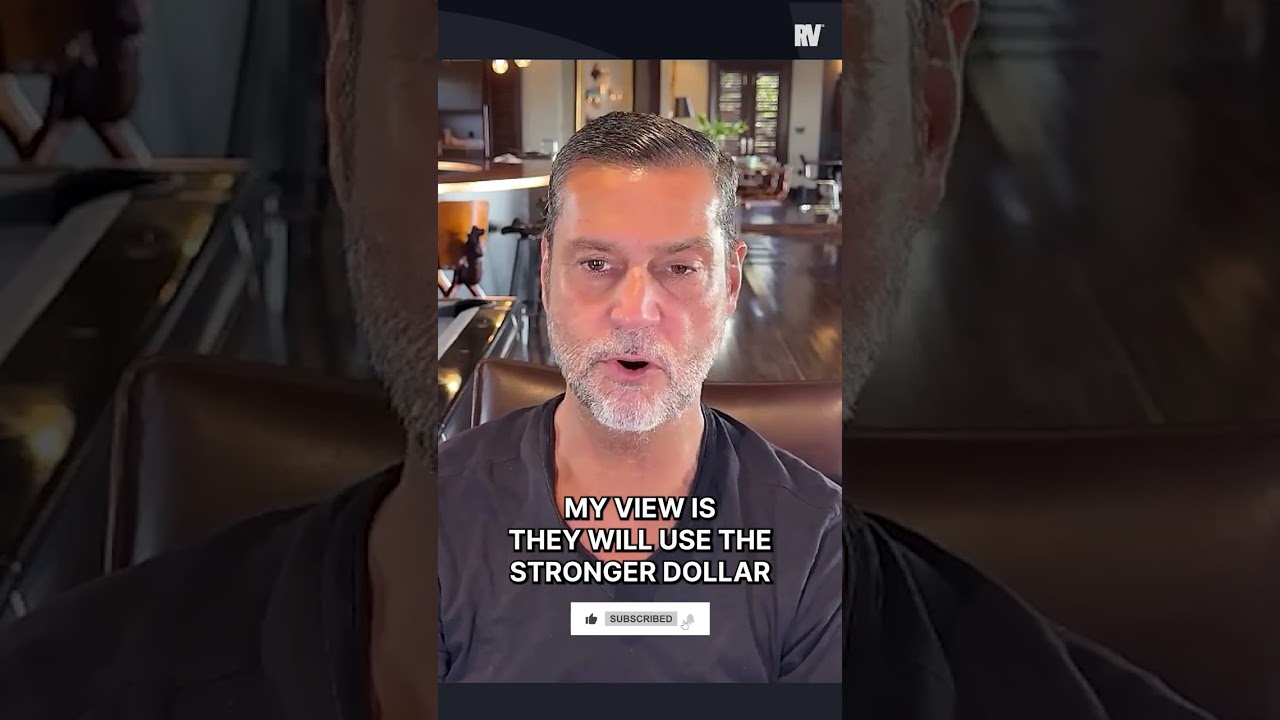

Raoul Pal Explains Trump’s Potential Dollar-Weakening Strategy: What it Could Mean for You
Donald Trump’s recent hints at a desire for a weaker US dollar have sparked considerable debate within the financial community. One voice offering a compelling analysis of this potential strategy is Raoul Pal, CEO and founder of Real Vision, a financial media company. Pal, known for his macro-economic insights and his ability to connect global trends, provides a nuanced understanding of why Trump might favor a weaker dollar and what the implications could be.
The Rationale Behind a Weaker Dollar, According to Pal:
Pal argues that a weaker dollar could be central to Trump’s economic agenda, primarily for these reasons:
- Boosting US Exports and Manufacturing: A weaker dollar makes US goods and services cheaper for foreign buyers, theoretically increasing demand and stimulating US manufacturing and export sectors. This aligns with Trump’s “America First” policy and aims to bring jobs back to the US.
- Reducing the Trade Deficit: By making imports more expensive and exports cheaper, a weaker dollar could help reduce the US trade deficit, a longstanding concern for Trump.
- Inflation and Debt Management: A weaker dollar can contribute to higher inflation. While traditionally viewed with concern, Pal suggests this could be a deliberate strategy to erode the real value of US debt. With massive government debt, inflation effectively makes it easier to repay.
- Competitive Devaluation in a Global Economy: Pal points out that many countries actively manage their currencies to gain a competitive advantage. Trump might see a weaker dollar as a necessary tool to compete in the global arena.
- Potential Impact on Global Reserve Status: While controversial, a deliberate weakening of the dollar could subtly challenge its status as the world’s primary reserve currency, potentially allowing other currencies to gain prominence and diversify global financial power.
Pal’s Insights: Beyond the Textbook Economics:
Pal goes beyond traditional economic arguments, highlighting the geopolitical and strategic dimensions of this potential policy. He emphasizes:
- The Shifting Global Landscape: The world is undergoing significant changes, including the rise of China and the move away from US-centric globalization. Pal argues that Trump’s dollar policy should be viewed within this broader context.
- The Impact on Emerging Markets: A weaker dollar can ease the burden on emerging market economies, many of which hold substantial dollar-denominated debt. This can foster stability and potentially create new investment opportunities.
- The Importance of “Real Rates”: Pal often discusses the concept of “real rates,” which are nominal interest rates adjusted for inflation. A weaker dollar, leading to higher inflation, can push real rates lower, further incentivizing investment and potentially fueling asset bubbles.
What Could This Mean for You?
A weaker dollar can have a broad range of effects, impacting individuals and businesses alike:
- Higher Import Prices: Prepare for potentially higher prices on imported goods, from electronics to food. This could lead to higher overall inflation.
- Potential Stock Market Gains: A weaker dollar can be positive for US stocks, particularly those of multinational companies that earn significant revenue overseas.
- Increased Travel Costs: Traveling abroad will likely become more expensive as the dollar buys less in foreign countries.
- Potential Wage Growth: If a weaker dollar leads to increased domestic demand and manufacturing growth, it could potentially translate into higher wages for some workers.
- Investment Implications: Investors should consider diversifying their portfolios to include assets that are less correlated with the dollar, such as international stocks, commodities, and potentially even cryptocurrencies.
Caveats and Potential Risks:
It’s important to acknowledge that a weaker dollar policy is not without its risks:
- Runaway Inflation: If not managed carefully, a weaker dollar could lead to uncontrolled inflation, eroding purchasing power and destabilizing the economy.
- Loss of Confidence: A deliberate weakening of the dollar could damage the US’s reputation as a responsible economic actor and potentially erode confidence in the currency.
- Retaliatory Measures: Other countries might retaliate with their own currency devaluations, leading to a global currency war.
Conclusion:
Raoul Pal’s analysis provides a compelling framework for understanding why Donald Trump might favor a weaker US dollar. While the potential benefits of such a policy, such as boosting exports and reducing debt, are appealing, it’s crucial to be aware of the potential risks, including inflation and loss of confidence. Understanding these dynamics is essential for individuals and businesses to navigate the evolving global economic landscape and make informed financial decisions. As with any economic forecast, it’s important to remember that these are potential scenarios, and the actual outcome will depend on a complex interplay of factors. Staying informed and consulting with a financial advisor are crucial steps in preparing for potential economic shifts.
HOW TO: Hedge Against Inflation
REVEALED: Best Investment During Inflation
HOW TO INVEST IN GOLD: Gold IRA Investing
HOW TO INVEST IN SILVER: Silver IRA Investing




Spot on
The argument is incorrect. If the US decreases the value of the Dollar, it makes Chinese exports less competitive. China wants a higher value of the dollar while the US wants a lower value to decrease trade deficits.
But the US at the same time wants the dollar be the main reserve currency.
That is the issue and in theory they are opposing goals.
You are wrong. It's much bigger. Central Bank.
This guy is an idiot. China had a surplus of one trillion 2024. US had a deficit of 900 billion in trade. Who’s ahead?
You contradicted yourself strong dollar weak dollar
If this guy is an expert , God help America!
This guy is so wrong! US has always wanted to push China stronger RMB so when they export will be expensive and lesser attractive to buy for US consumers. Trump wants weaker dollar which it opposes devalue RMB! Stop the nonsense.