
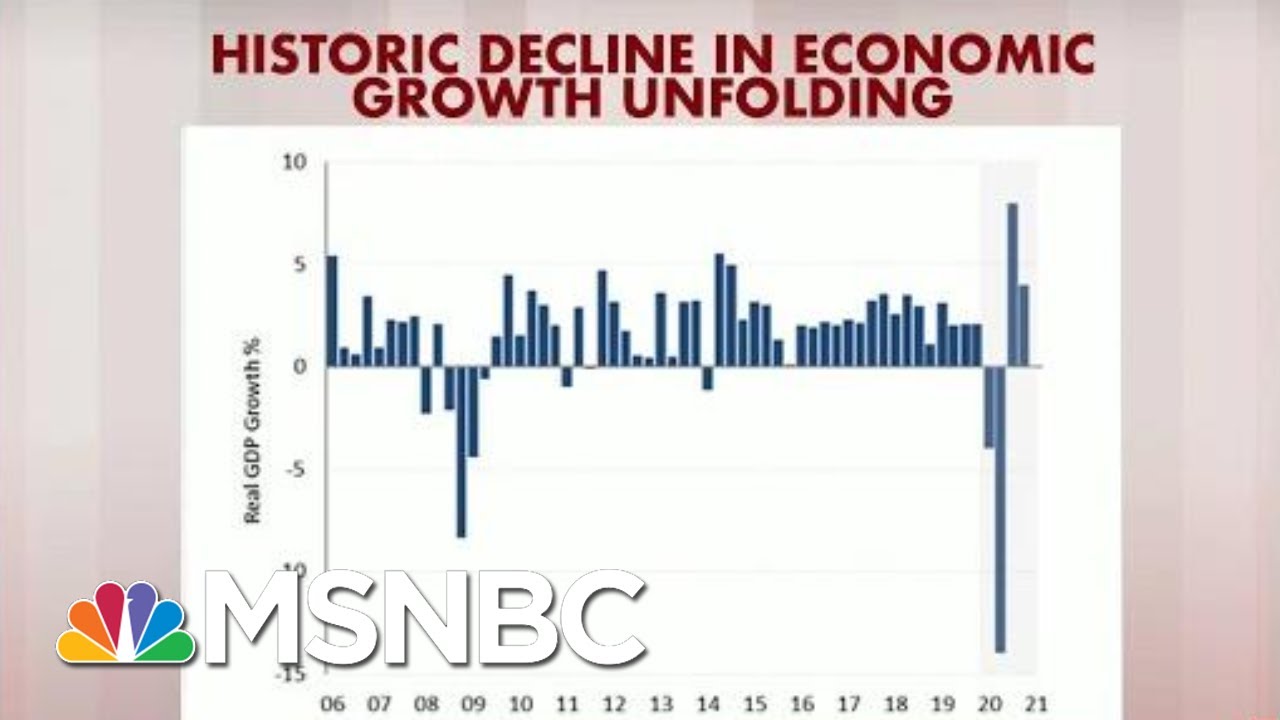

Rattner’s Charts: Historic Decline in Economic Growth Is Unfolding
On a recent episode of "Morning Joe" on MSNBC, economist Steve Rattner presented a series of compelling charts that shed light on the troubling trajectory of the U.S. economy. His analysis revealed a significant decline in economic growth, sparking discussions about the potential implications for policymakers and citizens alike.
Understanding the Decline
Rattner’s charts depicted a stark contrast in the economic growth landscape, comparing current trends with historical data. The analysis indicated that the growth rates observed in previous decades, particularly since the post-World War II era, have significantly diminished. While the U.S. economy has traditionally experienced robust growth, the recent figures suggest a troubling stagnation that could have far-reaching consequences.
Key Factors at Play
Several factors contribute to this historic decline in economic growth. Rattner highlighted issues such as rising inflation rates, labor market disruptions, and ongoing supply chain challenges, all of which have hindered economic momentum. Additionally, Rattner pointed to demographic shifts, including an aging population and declining birth rates, which complicate the long-term growth outlook.
Moreover, the economic landscape is further complicated by global influences, including geopolitical tensions and the fallout from the COVID-19 pandemic. These elements together create a complex economic environment that has led to cautious consumer spending and overall economic uncertainty.
Implications for Policy and Society
The decline in economic growth raises important questions for policymakers. As Rattner emphasized, sustaining economic vitality requires proactive measures to stimulate growth, encourage innovation, and invest in workforce development. Government intervention may be necessary to tackle the root causes of stagnation, including improved education, infrastructure investments, and policies aimed at attracting and retaining talent.
For everyday citizens, the implications of a slowing economy are significant. Slower growth often translates to limited job opportunities, wage stagnation, and heightened economic insecurity. As families grapple with rising costs, especially in essential goods and services, the need for effective solutions has become increasingly urgent.
Conclusion
Steve Rattner’s presentation on "Morning Joe" served as a wake-up call to both policymakers and the public regarding the future of the U.S. economy. His charts not only illustrated a concerning trend but also highlighted the need for a collaborative approach to address the challenges ahead. Understanding and responding to this historic decline in economic growth is vital to creating a sustainable economic future for all Americans.
As the discussion continues, it is clear that action is required to navigate the complexities of today’s economic landscape. Whether through policy reforms, innovation, or community support, the U.S. must harness its potential to revive growth and improve the lives of its citizens.
BREAKING: Recession News
REVEALED: Best Investment During Inflation
HOW TO INVEST IN GOLD: Gold IRA Investing




Israel tests 50 people with one standard test kit > https://www.youtube.com/watch?v=KVKYQAfvBws
I honestly think he's saving resources for when it hits the midwest and the south. He wants to insulate his base from feeling any effects.