


Update on Changes to PERS This Legislative Session
As states across the U.S. continue to adapt to evolving economic landscapes, significant changes to the Public Employees Retirement System (PERS) have been a focal point of this year’s legislative session. PERS, which serves millions of public sector employees, including teachers, police officers, and other government personnel, is vital in ensuring stable retirements for those who dedicate their careers to public service. This article highlights key updates, implications of the proposed changes, and encourages public discourse around the future of retirement systems.
Overview of Legislative Changes
During the latest session, lawmakers have introduced several bills aimed at reforming PERS. These proposed changes generally fall into three main categories: retirement age adjustments, contribution rate modifications, and benefit calculations.
-
Retirement Age Adjustments:
One of the most discussed changes is the proposal to gradually increase the retirement age for new PERS members. Currently, many employees are eligible to retire at age 60 after a set number of service years. The proposed changes suggest raising this threshold to 62 or even 65, depending on the individual’s entry date into the system. Proponents argue that this extension will help improve the overall financial health of the retirement fund compromised in recent years due to market volatility and increased longevity. -
Contribution Rate Modifications:
Lawmakers are also looking at revising contribution rates for both employees and employers. Some proposals suggest slight increases in employee contributions, which would help fund the system and offset any potential deficits. However, this has sparked debate, particularly among employees who are already experiencing financial strain. Conversely, some bills propose that the state increase its contribution rates to bolster the fund. - Benefit Calculations:
Proposed changes to the way retirement benefits are calculated aim to create a more sustainable model for the future. Currently, benefits are based on the final average salary of the highest earning years. Some lawmakers have suggested implementing a revised formula that balances long-term financial viability without compromising the benefits that public employees rely upon.
Implications of the Changes
The implications of these changes are complex and far-reaching. Increasing the retirement age may save the PERS system money, but it can also place a heavier burden on older public workers who may need to continue in their roles longer than anticipated. Adjusting contribution rates could enhance the financial health of the retirement system but risks putting additional financial strain on current employees.
Moreover, revising benefit calculations raises concerns about adequately compensating public servants, especially in a climate where the cost of living continues to rise. Ensuring a fair and equitably funded retirement system is crucial to attracting and retaining qualified public employees.
Public Discourse and Next Steps
As these updates unfold, public discourse surrounding PERS reforms is vital. Stakeholders from various sectors—including public employees, unions, financial analysts, and retirement advocates—are encouraged to engage in discussions about both the challenges and solutions for the retirement system.
Legislators are expected to continue hearings throughout the session, with opportunities for public testimony. It is essential for citizens to participate, highlighting their concerns and presenting their insights on how changes to PERS can affect not just public employees but also the broader community.
Conclusion
The changes to PERS proposed in this legislative session reflect the difficult balance between financial sustainability and the commitments made to public employees. While it is essential to ensure the viability of the retirement system, it is equally crucial to consider the well-being of public servants who have dedicated their careers to the betterment of our communities. As discussions progress, open dialogue and transparent decision-making will be key in shaping a fair and robust retirement system that is responsive to the needs of today and future generations.
LEARN MORE ABOUT: Retirement Planning
REVEALED: Best Investment During Inflation
HOW TO INVEST IN GOLD: Gold IRA Investing
HOW TO INVEST IN SILVER: Silver IRA Investing
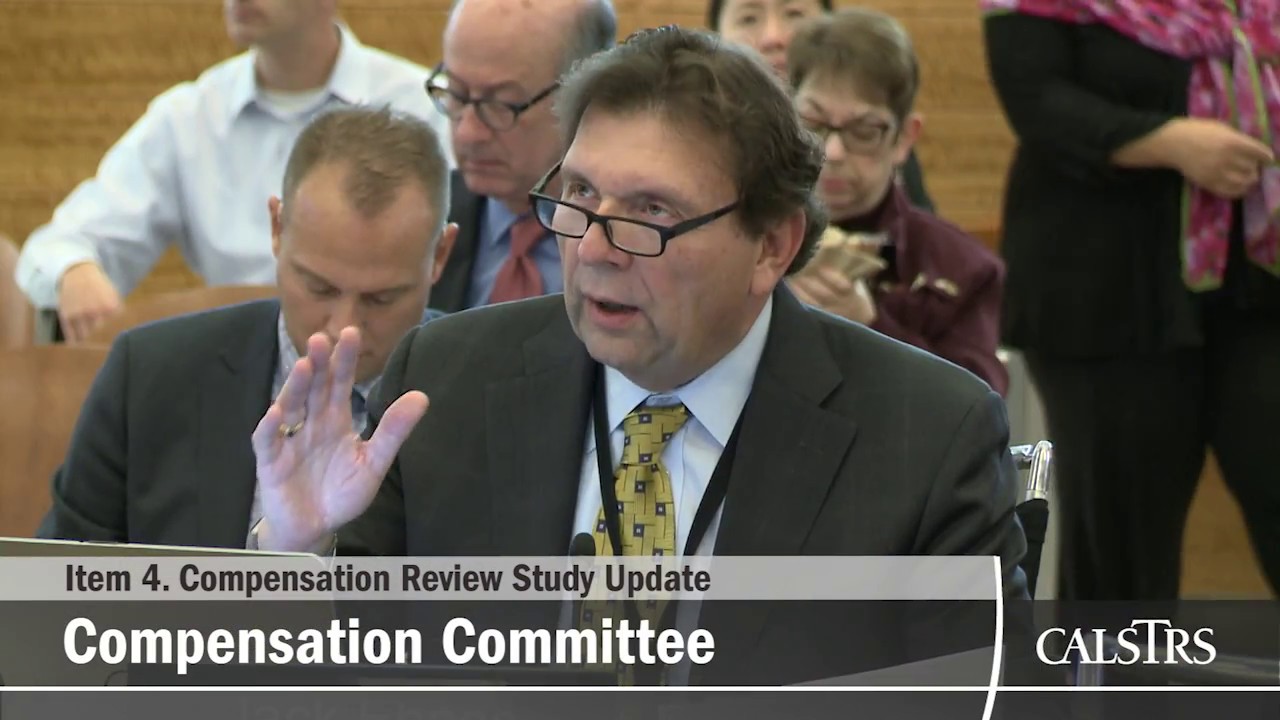



If you create a Tier 5 you will destroy this system. Find a funding mechanism.