


Retirement Calculator: What Is The Average 401(k) Balance of a 60-Year-Old?
As retirement approaches, many individuals begin evaluating their financial readiness for this significant life change. Among the critical tools in measuring financial health is the retirement calculator, which helps individuals estimate how much they have saved and how much they will need for a comfortable retirement. One of the questions that often arises in this context is: What is the average 401(k) balance for individuals aged 60?
Understanding the 401(k)
A 401(k) plan is a tax-advantaged retirement savings account offered by employers, enabling employees to save for retirement while enjoying various tax benefits. Contributions are typically made through automatic payroll deductions, allowing funds to grow tax-deferred until withdrawal during retirement. Employees can also benefit from employer matching contributions, which can significantly boost their retirement savings.
Average 401(k) Balance for a 60-Year-Old
Data from various financial studies and retirement surveys indicate that as of 2023, the average 401(k) balance for individuals nearing retirement (around the age of 60) is approximately $200,000. However, this figure can vary significantly based on several factors, including income level, length of employment, investment strategies, and economic conditions.
-
Income Level: Higher earners tend to have larger 401(k) balances due to higher contributions and the potential for employer matches. Conversely, those with lower incomes may struggle to contribute regularly, leading to smaller balances.
-
Years of Contribution: Individuals who have contributed to their 401(k) consistently over time are more likely to have substantial savings. Those who changed jobs frequently or took time off from work may find their balances lacking in comparison.
- Investment Choices: How individuals allocate their investments within their 401(k) plans can have a significant impact on growth. A well-diversified portfolio that strategically balances stocks, bonds, and other assets typically yields better returns, resulting in a higher balance.
Retirement Goals: Is $200,000 Enough?
While $200,000 may seem like a substantial amount, it’s essential to analyze whether it is sufficient for retirement. According to financial experts, a common rule of thumb is that retirees may need approximately 70-90% of their pre-retirement income to maintain their standard of living. The average retiree can expect to spend about 20-30 years in retirement, depending on their health and life expectancy.
Given these considerations, retirees must factor in additional income sources, such as Social Security, pensions, and any other investments. It’s also crucial to take into account healthcare costs, potential long-term care expenses, and inflation when evaluating one’s readiness for retirement.
Using a Retirement Calculator
A retirement calculator can be instrumental in pinning down your financial readiness. These online tools typically require users to input variables such as current age, retirement age, expected retirement lifestyle, current savings, and anticipated contributions.
With a retirement calculator, individuals can evaluate:
-
Projected Growth: Understand how current savings and contributions will grow over time based on expected rates of return.
-
Retirement Income: Estimate potential income during retirement from different sources, including 401(k), Social Security, and other investments.
-
Withdrawal Strategies: Assess how different withdrawal strategies can affect the longevity of retirement savings.
- Savings Gaps: Identify any shortfalls in savings and determine how much more needs to be saved each month to meet retirement goals.
Conclusion
As you approach your 60th birthday and prepare for retirement, it’s crucial to understand your financial position relative to accepted benchmarks. The average 401(k) balance of around $200,000 is a helpful reference, but it’s only one piece of the puzzle. Factors such as lifestyle, health care costs, and additional income sources will ultimately dictate your financial success in retirement.
Using a retirement calculator is an excellent way to gain insights into your savings status and make informed decisions about your financial future. By regularly assessing your retirement strategy and adjusting as necessary, you can work towards a comfortable and secure retirement.
LEARN MORE ABOUT: Retirement Annuities
REVEALED: How To Invest During Inflation
HOW TO INVEST IN GOLD: Gold IRA Investing
HOW TO INVEST IN SILVER: Silver IRA Investing

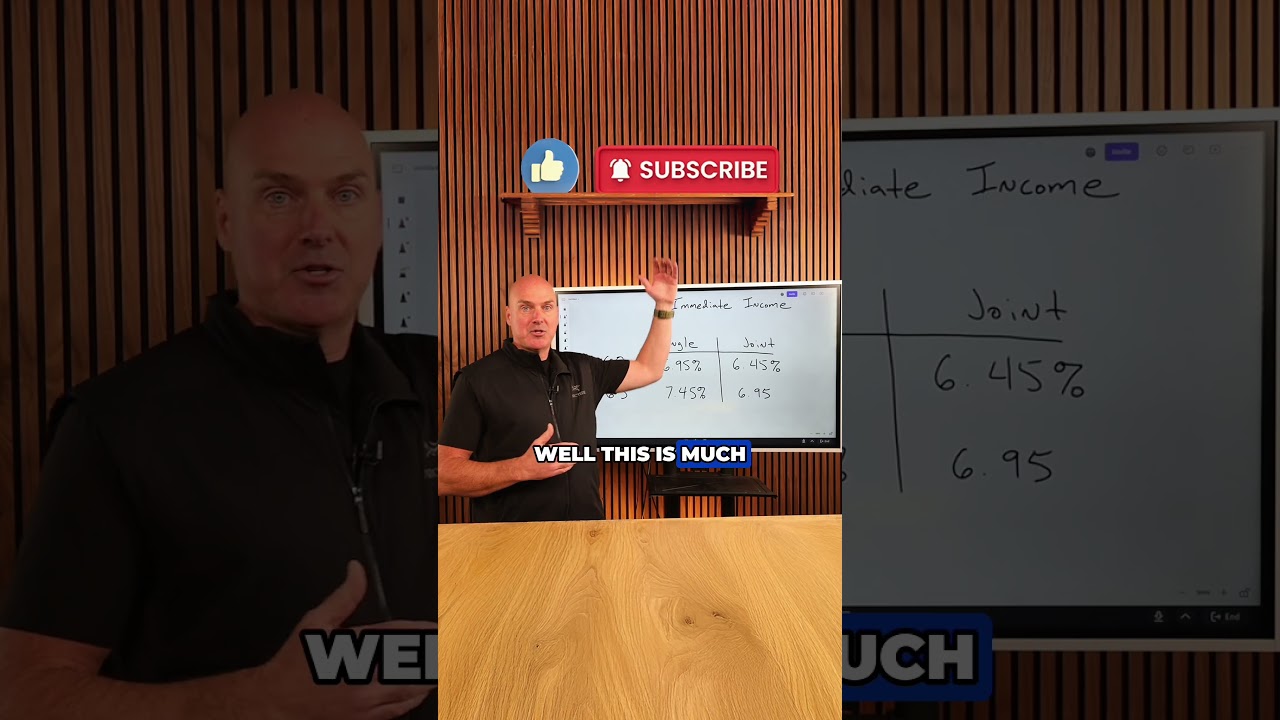


How Much Income Do I Need In Retirement? https://www.youtube.com/watch?v=p5C_nXMTxbA
No offense, but the shirt and the hat make me NOT want to take you serious and makes you seem like a snake oil salesman! Lose the goofy shirt and hat and I bet you will be taken more seriously. It seems like you are trying to hard.
Lol. Annuties are for losers