
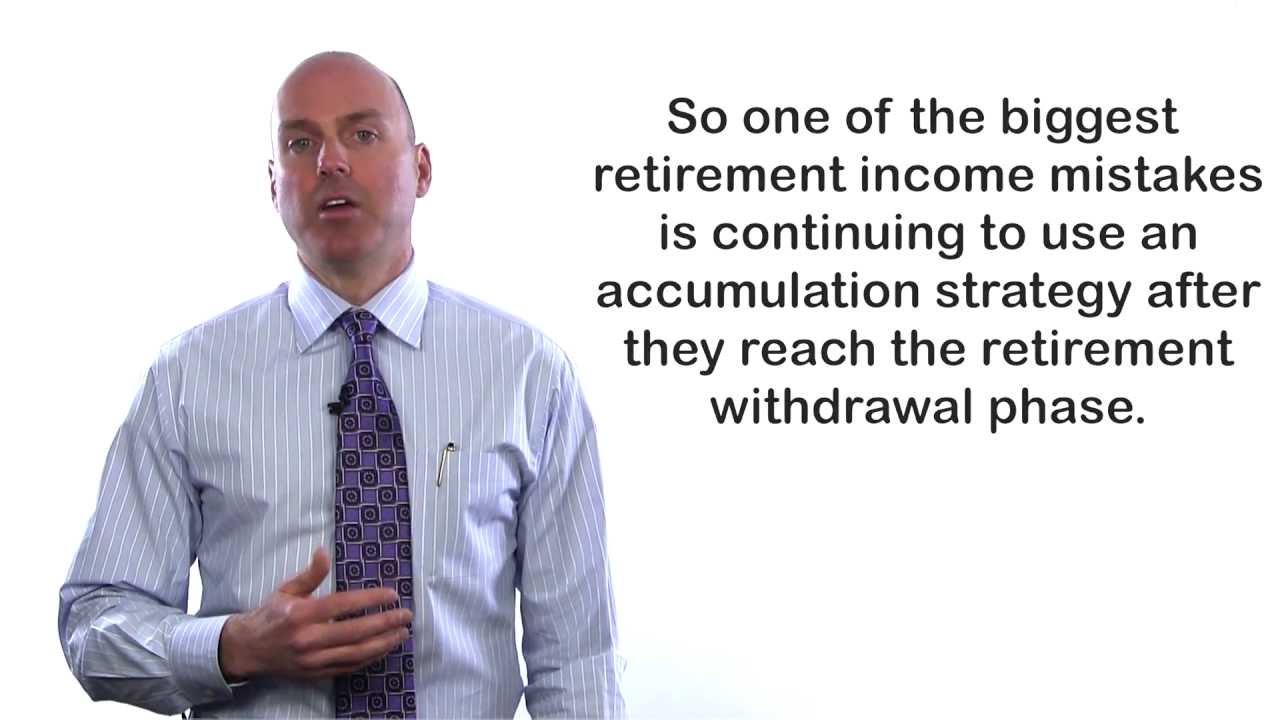

Retirement Investing 101: Don’t Make This Common Retirement Investing Mistake
Retirement is one of the most significant milestones in a person’s life, marking the transition from a decades-long career to a time of relaxation and fulfillment. However, to genuinely enjoy this phase, you need to be financially prepared. Unfortunately, many people make common mistakes when it comes to retirement investing that can jeopardize their financial security. This article delves into one of the most critical missteps: neglecting to adequately diversify your retirement portfolio.
Understanding the Importance of Diversification
What is Diversification?
Diversification is the investment strategy of spreading your investments across various asset classes and sectors to reduce risk. The rationale behind diversification is simple: different assets react differently to market conditions. By investing in a variety of assets, you can potentially minimize losses in a downturn, as some investments may perform well while others do not.
The Risks of Lack of Diversification
Many retirees or soon-to-be retirees make the mistake of concentrating their investments in a single asset or sector. This could be due to familiarity—such as investing all your funds in the company where you worked—or chasing after the latest trend or “hot stock.” While these strategies may yield short-term gains, they expose you to significant risk.
For instance, if you have a portfolio heavily weighted in tech stocks, and the tech market faces a downturn, your retirement savings could take a substantial hit. Relying on a single sector can leave you vulnerable to economic fluctuations and market volatility.
Benefits of a Diversified Portfolio
-
Risk Mitigation: By distributing your investments across various asset classes—stocks, bonds, real estate, and cash—you reduce the impact that any single poor-performing asset can have on your overall portfolio.
-
Potential for Higher Returns: A diversified portfolio allows you to capture gains from different sectors at different times. For example, while one sector may falter, another may thrive, providing balance and opportunity for growth.
- Stability: Markets can be unpredictable, especially as you approach retirement. Diversification can help provide a level of stability and peace of mind, allowing you to weather financial storms without drastic consequences for your retirement funds.
Crafting a Diversified Portfolio
Assess Your Risk Tolerance
Before diversifying, assess your risk tolerance. How much market volatility can you withstand? Younger investors can typically afford to take on more risk since they have time to recover from market downturns. However, as you near retirement, focusing on a more balanced and conservative allocation becomes crucial.
Include Various Asset Classes
-
Stocks: Commonly seen as riskier but potentially higher-yielding, stocks can provide substantial growth over the long term. Consider a mix of large-cap, mid-cap, and small-cap stocks, as well as international equities.
-
Bonds: Bonds are generally seen as safer investments than stocks. They can provide steady income and help offset stock volatility. A mixture of government, municipal, and corporate bonds can add further security.
-
Real Estate: This asset class can be an excellent way to diversify your holdings. Real estate often behaves differently from stocks and bonds, providing potential income through rentals in addition to property appreciation.
- Cash and Cash Equivalents: While keeping a portion of your portfolio in cash or cash equivalents might seem less exciting, it provides liquidity and can serve as a safety net during market downturns.
Regularly Rebalance Your Portfolio
As markets fluctuate, the allocation of your investments can shift, affecting your overall diversification. It’s essential to review your portfolio regularly and rebalance it to maintain your desired asset allocation. This might involve selling off assets that have grown disproportionately or buying more of those undervalued.
Conclusion
As you plan for retirement, diversifying your investment portfolio is a crucial strategy to ensure you’re financially secure during this important life phase. Avoid the common mistake of putting all your eggs in one basket by spreading your investments across various asset classes. By doing so, you can mitigate risk, enhance potential returns, and foster a more stable financial future. Seek guidance from a financial advisor if needed, and remember: the more prepared you are today, the more enjoyable your retirement will be tomorrow.
LEARN MORE ABOUT: 401k Plans
REVEALED: Best Investment During Inflation
HOW TO INVEST IN GOLD: Gold IRA Investing
HOW TO INVEST IN SILVER: Silver IRA Investing




0 Comments