


Okay, let’s craft an article addressing the anxieties and complexities surrounding retirement in today’s economic climate, focusing on potential shortfalls and strategies for navigating the situation. I’ll aim for a balanced tone, acknowledging the sensitive nature of the topic and offering practical advice.
Please be aware: This article provides general information and should not be considered financial advice. Consult with a qualified financial advisor for personalized guidance.
Here’s the article:
[CONTROVERSIAL] Retirement? Did You Invest Enough? What Now? Rethinking Your RA and Future
The word “retirement” used to conjure images of leisurely days, travel, and pursuing long-held hobbies. Today, for many, it’s accompanied by a knot of anxiety. Rising inflation, volatile markets, and longer life expectancies are forcing individuals to confront a harsh reality: have they truly invested enough to secure their financial future?
This article isn’t designed to instill panic, but rather to provide a realistic assessment of the challenges and offer actionable steps for those who may be facing a retirement shortfall. Let’s break down the key concerns and explore potential solutions, particularly focusing on the role of Retirement Accounts (RAs) and alternative strategies.
The Elephant in the Room: The Retirement Gap
For years, financial experts have warned about a looming retirement crisis. The factors contributing to this gap are multifaceted:
- Inadequate Savings: Many individuals simply haven’t saved enough throughout their working lives. This can be due to a variety of reasons, including low wages, unexpected expenses, debt, and a lack of financial literacy.
- Increased Longevity: People are living longer, which means retirement funds need to stretch further.
- Inflation’s Bite: The rising cost of living erodes the purchasing power of savings, making it harder to maintain a comfortable lifestyle.
- Market Volatility: Economic downturns and unpredictable market fluctuations can significantly impact retirement account balances, especially for those nearing retirement.
- Changing Pension Landscape: The shift from traditional defined-benefit pension plans to defined-contribution plans (like 401(k)s and RAs) has placed more responsibility on individuals to manage their own retirement savings.
Facing the Reality: Is Your RA Enough?
Your retirement account (RA), whether it’s a 401(k), IRA, Roth IRA, or other similar vehicle, is likely a cornerstone of your retirement plan. But is it enough? Here’s how to assess your situation:
- Calculate Your Projected Expenses: Estimate your essential living expenses in retirement, including housing, healthcare, food, transportation, and utilities. Don’t forget to factor in inflation. Online retirement calculators can be helpful, but remember they are just estimates.
- Assess Your RA Balance: Determine the current value of all your retirement accounts.
- Project Future Growth: Estimate the potential growth of your investments, taking into account market conditions and your risk tolerance. Be realistic; don’t assume overly optimistic returns.
- Consider Other Income Sources: Factor in any other sources of income, such as Social Security benefits, pensions, or part-time work.
- Compare and Contrast: Compare your projected expenses with your projected income. If there’s a significant shortfall, it’s time to take action.
What Now? Strategies for Bridging the Gap
If you’re facing a potential retirement shortfall, don’t despair. There are several strategies you can consider:
- Maximize Contributions: If possible, increase your contributions to your RA. Even small increases can make a significant difference over time. Take advantage of any employer matching programs.
- Delay Retirement: Working even a few extra years can have a dramatic impact. It allows you to continue saving, delay drawing on your retirement funds, and potentially increase your Social Security benefits.
- Reduce Expenses: Identify areas where you can cut back on spending. This might involve downsizing your home, reducing travel, or finding cheaper alternatives for everyday expenses.
- Explore Alternative Income Streams: Consider part-time work, freelancing, or starting a small business to supplement your retirement income.
- Re-evaluate Your Investment Strategy: Consult with a financial advisor to review your investment portfolio and ensure it’s aligned with your risk tolerance and retirement goals. You might need to adjust your asset allocation to generate more income.
- Consider Annuities: Annuities can provide a guaranteed stream of income in retirement, but it’s important to understand the terms and fees involved.
- Tap into Home Equity: If you own your home, you might consider a reverse mortgage or downsizing to free up cash. However, these options should be carefully evaluated.
- Relocate to a Lower Cost of Living Area: Moving to a more affordable area can significantly reduce your expenses.
- Strategic Social Security Claiming: Carefully consider when to begin taking Social Security benefits. Delaying benefits can result in a higher monthly payout.
- Seek Professional Guidance: A qualified financial advisor can help you develop a personalized retirement plan and navigate the complexities of retirement finances.
The Importance of Realistic Expectations
It’s crucial to have realistic expectations about retirement. The traditional notion of a completely carefree retirement may not be achievable for everyone. Be prepared to make adjustments and adapt to changing circumstances.
The “Controversial” Aspect: Rethinking the RA Paradigm
While RAs are valuable tools, relying solely on them might not be enough. The “controversial” aspect is questioning whether the traditional RA-centric retirement planning model is still sufficient in today’s economic environment. Consider these points:
- Fees and Expenses: RAs often come with fees and expenses that can erode returns over time.
- Market Risk: RAs are subject to market fluctuations, which can impact your retirement savings.
- Tax Implications: The tax treatment of RAs can be complex, and it’s important to understand the implications for your specific situation.
- Limited Access: Accessing funds from your RA before retirement age can result in penalties and taxes.
Therefore, it’s essential to diversify your retirement savings and explore alternative investment options, such as real estate, dividend-paying stocks, or other income-generating assets.
Conclusion: Taking Control of Your Future
Retirement planning can be daunting, but it’s essential to take control of your financial future. By assessing your situation, exploring your options, and seeking professional guidance, you can increase your chances of achieving a comfortable and secure retirement, even if you haven’t invested as much as you initially hoped. Remember, it’s never too late to start planning and making adjustments to your strategy. The key is to be proactive, informed, and adaptable.
Disclaimer: This article provides general information for educational purposes only and does not constitute financial advice. Consult with a qualified financial advisor before making any investment decisions.
LEARN MORE ABOUT: Retirement Annuities
REVEALED: How To Invest During Inflation
HOW TO INVEST IN GOLD: Gold IRA Investing
HOW TO INVEST IN SILVER: Silver IRA Investing

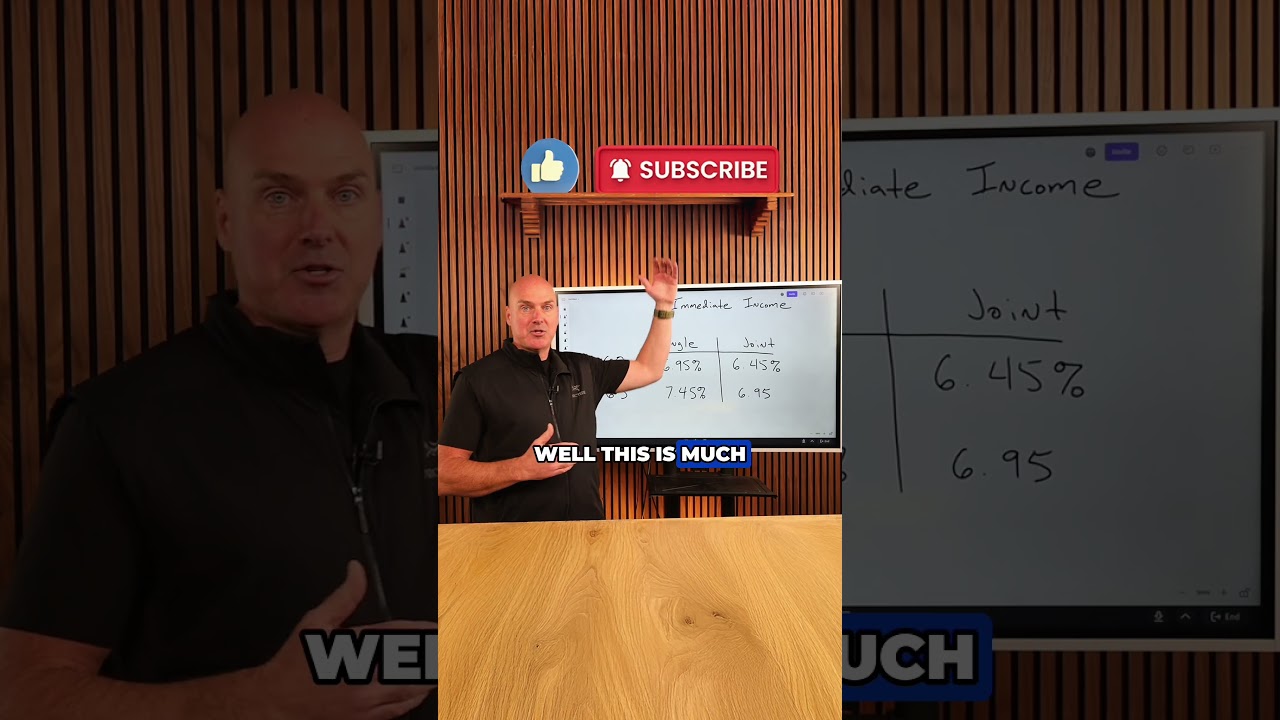


Watch the full video by clicking https://youtu.be/iWyYlJUH0y4
Over the years I have employed a number of elderly staff who relied on RAs for their pension but it was woefully inadequate so they had to carry on working. One really nice old gentleman worked as an agent for Targer until 1 month before he died in his seventies…