
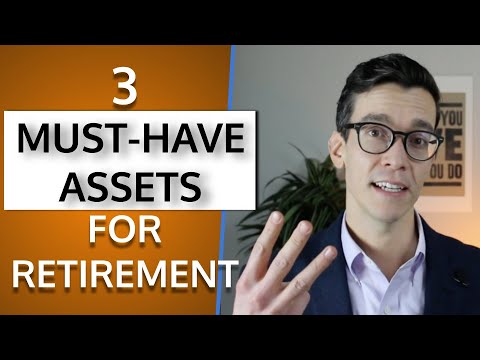

Beyond the Nest Egg: 3 Must-Have Assets for a Secure Retirement (Most People Miss Two)
retirement planning often conjures images of a burgeoning 401(k) or IRA, diligently growing over decades. And while a healthy savings account is undoubtedly crucial, relying solely on it for your golden years is a risky gamble. The truth is, a comprehensive retirement plan needs diversification beyond just financial assets. It requires a three-legged stool approach, with each leg representing a vital asset: Financial Capital, Human Capital, and Social Capital. Surprisingly, most people focus primarily on just one: Financial Capital. Let’s delve into why you need all three and how to build them.
1. Financial Capital: The Foundation (But Not the Whole House)
This is what most people consider when they think about retirement: stocks, bonds, mutual funds, real estate investments, and savings accounts. Building a robust financial foundation is undeniably important. It provides the income stream necessary to cover essential expenses and desired luxuries during retirement.
How to Build It:
- Start Early, Save Consistently: The power of compounding interest is your best friend. Even small, consistent contributions can make a huge difference over time.
- Diversify Your Portfolio: Don’t put all your eggs in one basket. Spread your investments across different asset classes to mitigate risk.
- Consider Tax-Advantaged Accounts: Maximize contributions to 401(k)s, IRAs, and other tax-advantaged accounts to reduce your tax burden.
- Consult a Financial Advisor: Seek professional guidance to develop a personalized investment strategy based on your risk tolerance, time horizon, and financial goals.
Why It’s Not Enough: Relying solely on financial capital leaves you vulnerable to market fluctuations, inflation, unexpected healthcare costs, and the potential of outliving your savings. You need other buffers in your retirement plan.
2. Human Capital: Your Earning Power and Adaptability
This often-overlooked asset represents your skills, knowledge, and ability to generate income. It’s the value you bring to the workforce, and even in retirement, it can be a powerful tool for financial security and personal fulfillment.
How to Build It (and Maintain It):
- Continuous Learning: Invest in yourself by acquiring new skills, attending workshops, and staying updated on industry trends. This enhances your earning potential and opens doors to new opportunities, even in later life.
- Maintain Your Health: Prioritize your physical and mental well-being. A healthy body and mind allow you to work longer, enjoy your retirement more, and reduce healthcare expenses.
- Explore Part-Time Opportunities: Retirement doesn’t have to mean complete cessation of work. Consider pursuing part-time roles, consulting, or freelancing to supplement your income and stay engaged.
- Develop a New Skillset: Learn a marketable skill like website design, coding, or writing. These can be highly profitable freelance opportunities in the digital age.
Why It’s Crucial: Human capital provides a safety net when financial capital dips. It allows you to earn extra income if needed, adapt to unforeseen circumstances, and stay mentally stimulated and engaged in retirement. Imagine needing extra money due to unexpected medical bills; having a skill you can monetize is invaluable.
3. Social Capital: Your Network and Community
Social capital refers to your relationships, networks, and community connections. While it might not translate directly into dollars and cents, it’s a crucial asset for overall well-being and can indirectly contribute to financial security.
How to Build It:
- Nurture Existing Relationships: Invest time and effort in maintaining strong relationships with family, friends, and colleagues.
- Join Clubs and Organizations: Participate in activities that align with your interests and provide opportunities to connect with like-minded individuals.
- Volunteer Your Time: Giving back to your community not only benefits others but also strengthens your social connections and sense of purpose.
- Stay Active and Engaged: Don’t isolate yourself after retirement. Seek out opportunities to socialize, learn new things, and contribute to your community.
Why It Matters: Social capital provides emotional support, reduces feelings of loneliness and isolation, and can even lead to unexpected opportunities. A strong network can offer job leads, financial advice, and even emergency assistance. A supportive community can make a significant difference in your overall happiness and well-being during retirement.
The Takeaway:
retirement planning is not just about accumulating financial wealth. It’s about creating a holistic plan that incorporates your skills, knowledge, and relationships. By building all three assets – Financial Capital, Human Capital, and Social Capital – you can create a more secure, fulfilling, and enjoyable retirement. Don’t just focus on the nest egg; build the sturdy foundation that supports it.
LEARN MORE ABOUT: Qualified Retirement Plans
REVEALED: How To Invest During Inflation
HOW TO INVEST IN GOLD: Gold IRA Investing
HOW TO INVEST IN SILVER: Silver IRA Investing



❤️[THE "DO IT YOURSELF" RETIREMENT PLAN]
Achieve Your Successful & Secure Retirement WITHOUT A Financial Advisor
https://www.davezoller.com/DIY-Retirement
this video still have so much value. thanks for sharing.
"Retirement isn’t an end goal, but a journey best secured by careful and consistent investments."
I love your videos—so helpful! Such a balanced approach to retirement. This video makes us realize how blessed we are!