
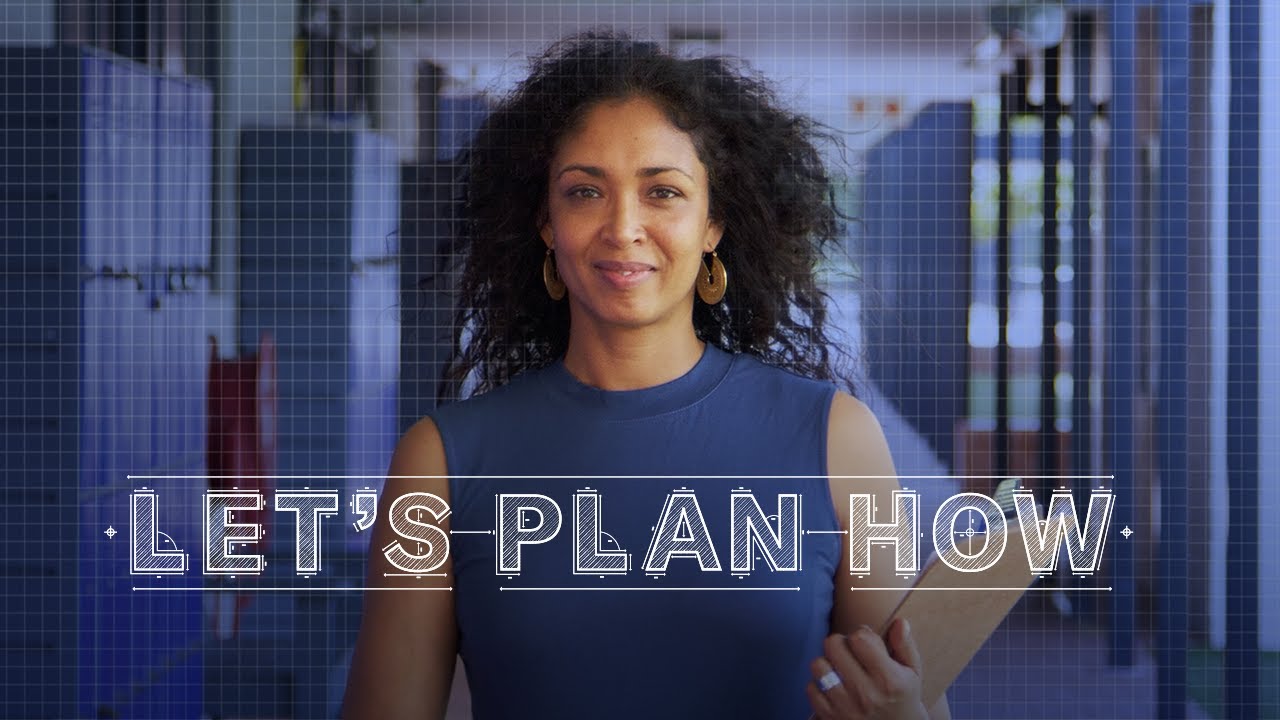

Retirement Planning for Educators: A Comprehensive Guide
Retirement planning is an essential aspect of financial well-being, and for educators, it poses unique challenges and opportunities. With ever-increasing responsibilities, managing classroom dynamics, and the critical role they play in shaping future generations, educators often find themselves prioritizing teaching over their financial futures. However, proper planning can ensure a comfortable retirement, allowing educators to enjoy their later years without financial stress. Let’s explore how educators can effectively plan for retirement.
1. Understand Your Benefits
Educators in the United States often partake in both federal and state retirement plans. The primary program for teachers is typically a pension plan, which can vary significantly by state and district. Here are the key areas to consider:
-
Pension Plans: Most public school teachers are eligible for pensions, which offer guaranteed monthly payments after retirement based on years of service and final salary. It is crucial to learn how your pension is calculated and how long you need to teach to qualify.
-
Social Security: Some educators may be in systems that do not participate in Social Security, which affects retirement benefits. Educators who have worked in both covered and non-covered employment should understand the Windfall Elimination Provision (WEP) rules impacting their Social Security benefits.
- Supplemental Retirement Accounts: Many school districts offer 403(b) plans, which are similar to 401(k) plans for non-profit organizations. These plans allow educators to contribute pre-tax dollars, lowering taxable income while saving for retirement. Familiarize yourself with your options and start contributing early.
2. Set Clear Retirement Goals
Before jumping into numbers and savings plans, it is crucial to define your retirement goals clearly:
-
Age of Retirement: Decide when you would like to retire. Understanding your desired retirement age can help you gauge how much to save and what income you’ll need.
-
Lifestyle Expectations: Consider what you’ll want your everyday life to look like in retirement. Will you travel extensively? Live in a new location? These expectations will help dictate how much you need to save.
- Post-Retirement Work: Many educators choose to work part-time after retirement. Whether you want to mentor, teach a class, or dive into a completely new career, accounting for this potential income can impact your savings strategy.
3. Create a Comprehensive Financial Plan
This step combines your current financial situation with your retirement goals. Consider the following elements:
-
Budget Analysis: Outline your income, expenses, and savings. Identify areas for potential savings, especially in the short term, so you can funnel more money into retirement accounts.
-
Emergency Fund: Before focusing solely on retirement savings, ensure you have an emergency fund with three to six months of living expenses. This safety net provides peace of mind and prevents you from dipping into retirement savings should an unexpected expense arise.
- Investment Strategy: Determine your risk tolerance and diversify your investments. Balanced portfolios with a mix of stocks, bonds, and other assets can protect against market fluctuations as you near retirement.
4. Maximize Contributions
Taking full advantage of available retirement accounts can lead to significant savings over time:
-
403(b) Contributions: Contribute as much as you can to your 403(b) plan, especially if your employer offers matching contributions. This is free money and should never be left on the table.
-
Catch-Up Contributions: If you’re age 50 or older, take advantage of catch-up contributions, which allow you to save more in retirement accounts beyond standard limits.
- IRAs: Consider contributing to a Traditional or Roth IRA, if you qualify. This can provide additional tax advantages and retirement savings flexibility.
5. Stay Informed and Review Regularly
The landscape of retirement planning can change based on new legislation or modifications to pension plans. Staying informed can make a significant difference:
-
Professional Advice: Consulting with a financial advisor familiar with educators’ unique retirement systems can provide clarity and guidance tailored to your situation.
- Annual Reviews: Schedule annual check-ins to reassess your financial plan and retirement goals. Life circumstances can change, influencing your saving strategies dramatically.
6. Educate Yourself and Network with Peers
Professional development isn’t limited to the classroom. Engaging with fellow educators about their retirement strategies can provide valuable insights:
-
Workshops and Seminars: Participate in retirement planning workshops offered by your district or external organizations. These can provide resources and tools to further your understanding.
- Peer Support Groups: Joining or forming a network of educators focused on retirement planning can foster a communal learning environment. Sharing experiences and strategies can enhance financial literacy.
Conclusion
Retirement planning is a gradual process requiring time, effort, and consistent strategy. For educators, understanding their benefits and leveraging available resources is crucial for ensuring a secure and fulfilling retirement. By defining clear goals, creating a solid financial plan, maximizing contributions, and remaining informed, educators can navigate their retirement journey with confidence. Remember, it’s never too early or too late to begin planning for your future—let’s start today!
LEARN MORE ABOUT: Retirement Pension Plans
REVEALED: Best Investment During Inflation
HOW TO INVEST IN GOLD: Gold IRA Investing
HOW TO INVEST IN SILVER: Silver IRA Investing




0 Comments