Written by Retirement Advisor Published January 23, 2026 · Last updated August 12, 2026
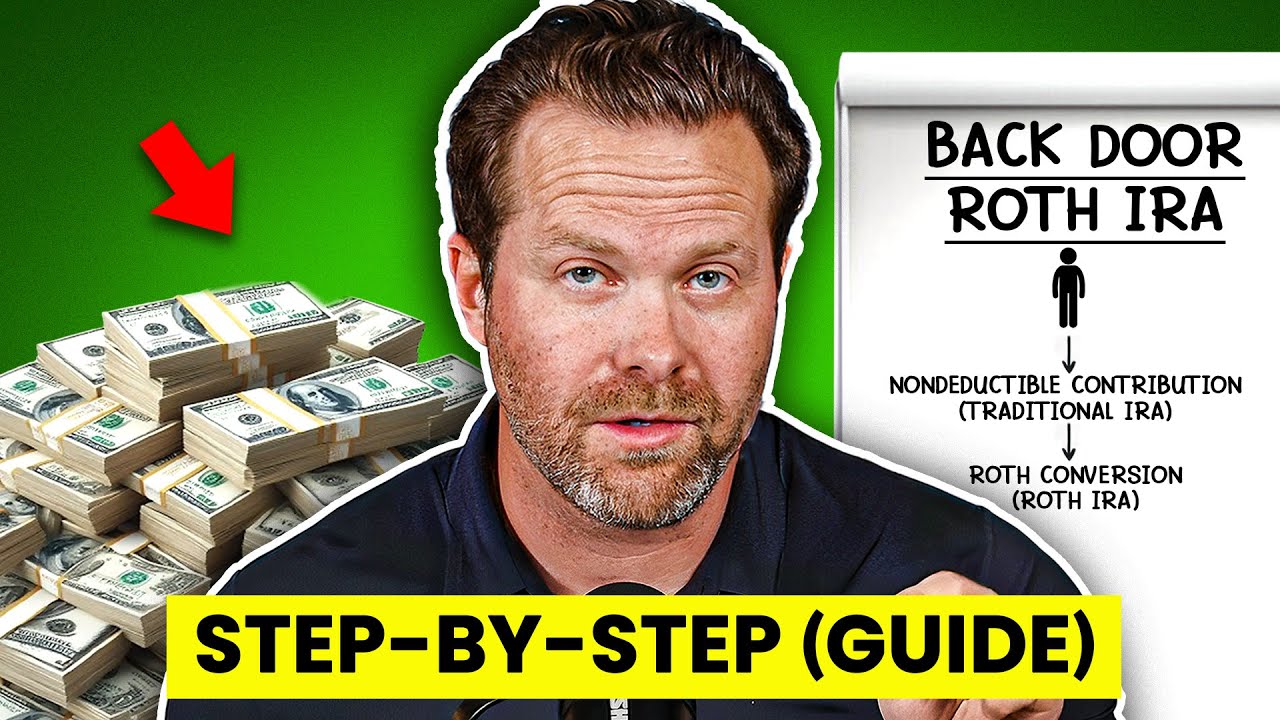
Quick answer: Before attempting a backdoor Roth, confirm your income actually exceeds the direct Roth contribution limit, check whether you hold other pre-tax IRA balances (which trigger the pro-rata rule), and understand you’ll need to file Form 8606 – skipping any of these checks is where most costly mistakes happen.
The three checks that matter most
1) Verify your MAGI actually exceeds the current-year Roth phase-out limit – if not, just contribute directly. 2) Check your combined Traditional/SEP/SIMPLE IRA balance for pro-rata exposure. 3) Plan to file Form 8606 for both the contribution and the conversion.
Why professional review is often worth it the first time
Because the pro-rata rule and Form 8606 reporting are easy to get wrong and can result in unintentional double taxation, many CPAs recommend at least a one-time review of your specific situation before executing a backdoor Roth for the first time.
Frequently Asked Questions
Is a backdoor Roth worth doing if I only have a small pre-tax IRA balance elsewhere?
It depends on the specific dollar amounts involved; calculate the pro-rata taxable portion first to see whether the strategy still makes sense for you.
Where can I read the complete official rules?
IRS Publication 590-A and 590-B, both at irs.gov, cover contributions and conversions comprehensively.
Great video. Just discovered your channel and you have a new subscriber.
One question on something that confused me. I have both a SEP and rollover IRA. If I open a new separate traditional IRA to do the backdoor Roth, I won't have to prorate anything with my other IRA's as they're separate accounts at the same brokerage. Just want to confirm.
This is a end of year strategy because the final day you can do a conversion for 2025 tax year is December 31st 2025. This is not true for regular contributions but any conversion dollars count for the tax year that the conversion actually occurred in. For example, a conversion done in January 2026 must count towards the 2026 contribution limit, not 2025.
Thanks, a very helpful video. I have a question – Does this 2-step (contribute to Traditional IRA and then transfer to Roth IRA) process need to be done every year that I want to contribute to the Roth IRA? What happens if I contribute directly to the Roth IRA without first contributing to and transferring from the Traditional IRA?
I have a SEP IRA for my business over the years I’ve been contributing to it, so does this mean I will need to get rid of this SEP IRA before I can do a backdoor Roth IRA? If so what are my options?
Spot on, Mat. We only started using the backdoor Roth a few years ago, but honestly it changed everything for us. High earners don’t get many chances at tax-free growth, so getting guidance and finding a way into a Roth without hitting income limits was huge. We’re in our mid-50s now, house almost paid off, and sitting around ~$4M invested. The biggest surprise is how much control the Roth gives us for future taxes and RMD planning — way more than we expected!



Ask Mat: https://matsorensen.com/ask-mat/
Great video. Just discovered your channel and you have a new subscriber.
One question on something that confused me. I have both a SEP and rollover IRA. If I open a new separate traditional IRA to do the backdoor Roth, I won't have to prorate anything with my other IRA's as they're separate accounts at the same brokerage. Just want to confirm.
Thanks.
This is a end of year strategy because the final day you can do a conversion for 2025 tax year is December 31st 2025. This is not true for regular contributions but any conversion dollars count for the tax year that the conversion actually occurred in. For example, a conversion done in January 2026 must count towards the 2026 contribution limit, not 2025.
Thanks, a very helpful video. I have a question – Does this 2-step (contribute to Traditional IRA and then transfer to Roth IRA) process need to be done every year that I want to contribute to the Roth IRA? What happens if I contribute directly to the Roth IRA without first contributing to and transferring from the Traditional IRA?
I have a SEP IRA for my business over the years I’ve been contributing to it, so does this mean I will need to get rid of this SEP IRA before I can do a backdoor Roth IRA? If so what are my options?
Spot on, Mat. We only started using the backdoor Roth a few years ago, but honestly it changed everything for us. High earners don’t get many chances at tax-free growth, so getting guidance and finding a way into a Roth without hitting income limits was huge. We’re in our mid-50s now, house almost paid off, and sitting around ~$4M invested. The biggest surprise is how much control the Roth gives us for future taxes and RMD planning — way more than we expected!
This is the best video on YouTube about Backdoor Roth! Thank YOU!!!
Plain and simple, slow down! No one can think and grasp a concept faster than you can talk