Written by Retirement Advisor Published May 30, 2026 · Last updated August 11, 2026
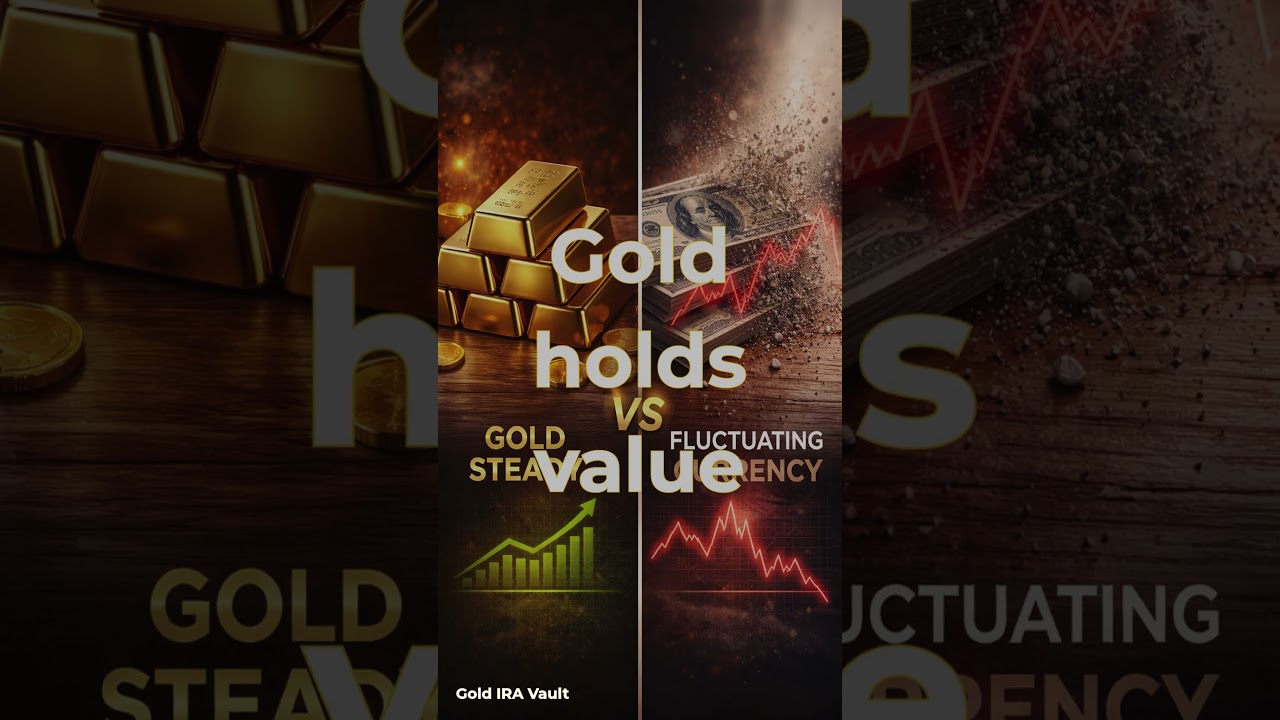
Quick answer: This framing captures something real: an ounce of gold is a fixed physical quantity, so its rising dollar price largely reflects the dollar’s own declining purchasing power over time, not gold itself becoming intrinsically ‘more valuable.’
The real mechanism behind this idea
Gold’s price in 2000 averaged about $279/oz; by 2025 it averaged roughly $3,442/oz, according to World Gold Council data. Over that same period, cumulative U.S. inflation was roughly 94% per the Bureau of Labor Statistics – meaning a meaningful share of gold’s dollar price increase reflects the dollar buying less, not gold becoming a different or better asset.
Why this is a real insight, with a real limit
This ‘unit of account’ framing is a genuinely useful way to think about gold – it’s one reason gold is discussed as an inflation hedge. But it’s not the whole story: gold’s price has also moved for reasons unrelated to currency purchasing power, including investment demand, central bank buying, and industrial/jewelry demand shifts – so not every dollar of gold’s price change is purely currency-driven.
FAQ
Is gold’s rising price entirely explained by currency debasement? Not entirely. Currency purchasing power erosion is a real, meaningful factor, but gold’s price also responds to investment demand, central bank buying, and other market forces independent of currency value.


0 Comments