
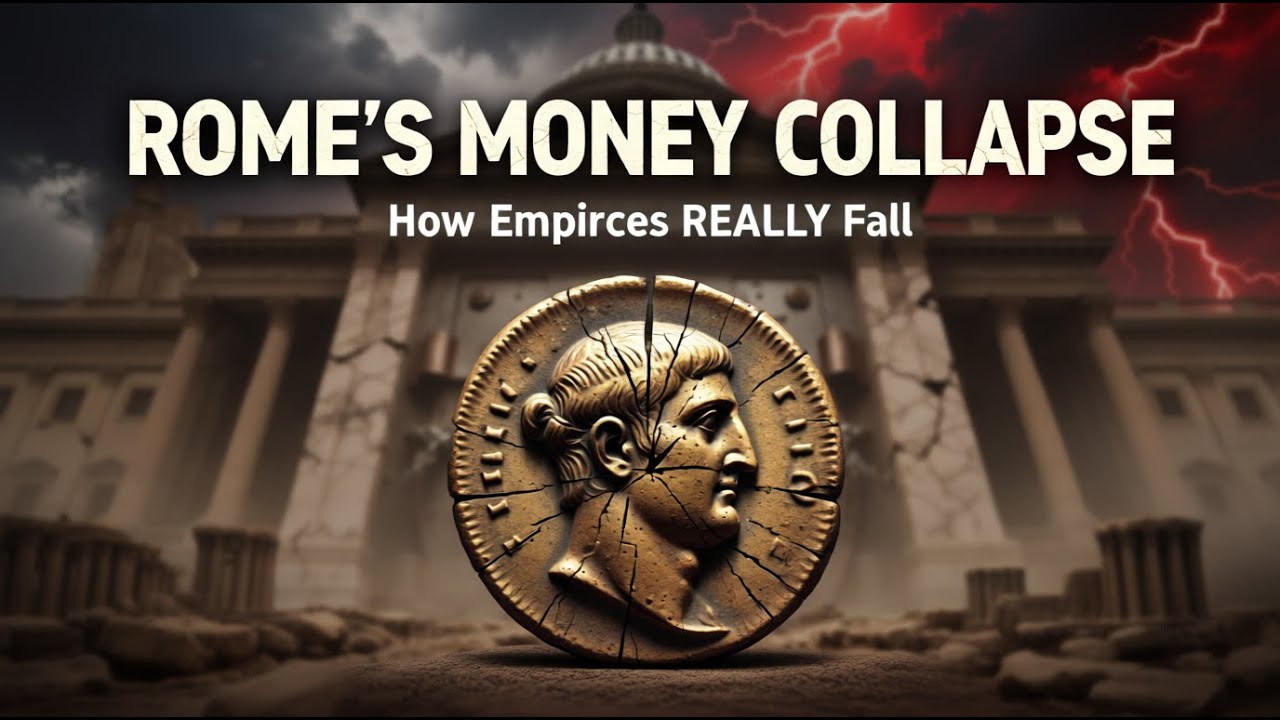

The Gilded Cage: How Money Ultimately Undermined Ancient Rome
Ancient Rome, a civilization renowned for its military prowess, engineering marvels, and sophisticated legal system, stands as a testament to human ingenuity and ambition. Yet, like all empires, Rome eventually crumbled. While the narrative often focuses on barbarian invasions and political instability, a deeper look reveals a more insidious culprit: money, or rather, the complex relationship Rome developed with it.
Initially, Roman society was rooted in agriculture and land ownership, fostering a sense of civic duty and connection to the land. But the conquests and expansion that fueled Rome’s rise also sowed the seeds of its eventual downfall, as the influx of wealth profoundly altered the societal fabric.
The Conquest of Wealth: A Double-Edged Sword
The Punic Wars and subsequent campaigns brought vast riches into Rome. Booty, tributes, and control over valuable resources fueled a burgeoning economy. However, this sudden prosperity disproportionately benefited the ruling elite. Senators and wealthy landowners amassed enormous fortunes, leading to:
- Land Concentration: Small farmers, unable to compete with large, slave-powered estates (latifundia), were forced off their land. This created a growing landless proletariat flocking to Rome, reliant on government handouts and prone to unrest.
- The Rise of the Equites: A new class of wealthy merchants and businessmen, the Equites, emerged, challenging the traditional dominance of the senatorial class. They wielded immense financial power, often influencing political decisions through bribery and corruption.
- Moral Decay: The pursuit of wealth became an all-consuming obsession. Traditional Roman values of frugality, civic virtue, and service to the state were eroded by rampant consumerism, decadence, and a relentless quest for personal gain.
The Seeds of Corruption: Buying Influence and Power
Money permeated every aspect of Roman life, corrupting the political system from the ground up. Elections were bought and sold, laws were passed to benefit specific wealthy individuals, and even military commands could be secured through lavish bribes. This corruption led to:
- Political Instability: The constant power struggles between factions vying for control of the state through financial influence destabilized the Republic and paved the way for the rise of emperors.
- Military Inefficiency: The quality of the Roman army, once a bastion of discipline and effectiveness, suffered as officers focused on personal enrichment rather than military strategy. Solders became less motivated by patriotism and more by the promise of loot and bonuses.
- Erosion of Trust: The widespread corruption eroded public trust in the government and its institutions. Citizens felt powerless and alienated, leading to widespread discontent and resentment.
Economic Imbalance and Inflation: The Uncontrollable Beast
The vast wealth disparity and overreliance on slave labor choked innovation and economic diversification. Furthermore, emperors, eager to maintain popularity through extravagant spending, often debased the currency by reducing the silver content of coins. This led to rampant inflation, further eroding the purchasing power of the common citizen and exacerbating social inequality.
The Gilded Cage Collapses:
The consequences of Rome’s obsession with money were devastating:
- Social Unrest: The gap between the rich and poor widened, leading to numerous slave revolts and civil wars, further destabilizing the empire.
- Decline in Production: With the reliance on slave labor, there was little incentive to develop new technologies or improve production methods. This hindered long-term economic growth.
- Loss of Civic Duty: The pursuit of personal wealth replaced the traditional Roman ideal of service to the state, weakening the empire’s defenses against external threats.
In conclusion, while money initially fueled Rome’s expansion and prosperity, its unchecked influence ultimately undermined the empire’s foundations. The pursuit of wealth corrupted the political system, eroded traditional values, created unsustainable economic imbalances, and fostered social unrest. Ancient Rome’s story serves as a cautionary tale, reminding us that a society’s relationship with money must be carefully managed to prevent it from becoming a corrosive force, ultimately contributing to its demise. The gilded cage of Roman wealth, for all its initial brilliance, ultimately suffocated the very civilization it was meant to support.
LEARN MORE ABOUT: Investing During Inflation
REVEALED: Best Investment During Inflation
HOW TO INVEST IN GOLD: Gold IRA Investing
HOW TO INVEST IN SILVER: Silver IRA Investing




History repeats itself