
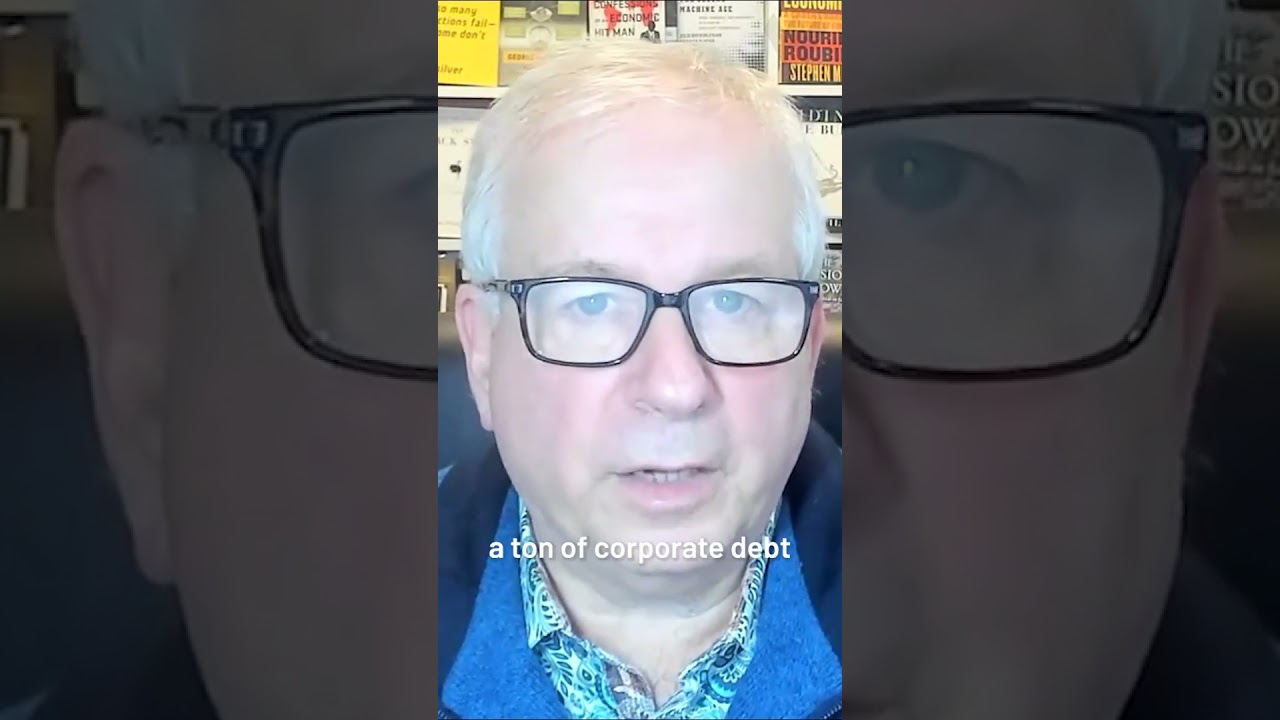

Rosenberg: Default Cycle Imminent in Economy!
Introduction
In recent discussions surrounding the state of the economy, renowned economist David Rosenberg has raised a significant alarm: we may be on the brink of a default cycle. As signs of financial strain become increasingly evident, his insights compel both investors and policymakers to reconsider their strategies. This article delves into the implications of Rosenberg’s assertions and evaluates the current economic landscape.
Understanding the Default Cycle
A default cycle occurs when a significant portion of borrowers—whether they be individuals, corporations, or governments—fail to meet their financial obligations. This situation can exacerbate economic downturns, leading to widespread financial instability. As Rosenberg warns, signs of potential defaults can be spotted across various sectors, indicating a fragile economic environment.
Current Economic Indicators
-
Rising Interest Rates: Central banks around the world have been raising interest rates in response to inflationary pressures. Higher borrowing costs can strain borrowers with existing debts, making it more difficult to meet payment obligations. Rosenberg emphasizes that this tightening of monetary policy has a cascading effect, which could trigger a wave of defaults.
-
Stretched Corporate Balance Sheets: Many companies took on significant debt during the low-interest-rate environment of the past decade. As earnings begin to fall due to reduced consumer spending and rising costs, the risk of default grows. Rosenberg points to the increasing number of corporations reporting weaker-than-expected earnings, a trend that raises alarms about financial sustainability.
- Consumer Debt Levels: U.S. household debt has reached staggering levels, with credit cards, auto loans, and mortgages weighing heavily on many families. Rosenberg notes that rising default rates in these areas could have a ripple effect throughout the economy, particularly in sectors heavily reliant on consumer spending.
Implications for the Economy
The potential for a default cycle carries dire consequences. As defaults spike, the fear of contagion can lead to tightening credit markets. Banks become reluctant to lend, further stifling economic growth. Businesses, facing increased borrowing costs and reduced consumer demand, may resort to layoffs, creating a downward spiral.
-
Recession Risks: A default cycle can serve as a catalyst for a recession. Analysts point to historical patterns where rising defaults have preceded economic downturns. A significant increase in loan defaults could lead to job losses, decreased consumer spending, and a slowdown in business investment.
- Market Volatility: Investors often respond to potential downturns with caution, leading to increased market volatility. A rising tide of defaults may prompt sell-offs in equities and other asset classes, sparking further financial instability.
Mitigating the Risks
To counteract the looming threat of a default cycle, Rosenberg suggests several strategies for both policymakers and investors:
-
Prudent Monetary Policy: Central banks should tread carefully with monetary policy adjustments to avoid triggering a cascade of defaults. A balanced approach to interest rate hikes can give borrowers the breathing room they need.
-
Debt Restructuring Options: For businesses facing unsustainable debt levels, proactive debt restructuring may be crucial. Encouraging negotiations with creditors could prevent defaults and stabilize the economy.
- Consumer Financial Education: Increasing awareness about managing debt effectively can empower consumers to make more informed financial decisions, potentially decreasing the default rate on household loans.
Conclusion: A Call for Vigilance
As David Rosenberg highlights, the signs of an impending default cycle are becoming increasingly pronounced. The interplay between rising interest rates, corporate financial strain, and high consumer debt levels presents a precarious landscape. It is imperative for stakeholders—ranging from policymakers to individual investors—to stay vigilant and proactive in their responses.
In navigating these turbulent economic times, the lessons of the past can serve as valuable guidelines to bolster economic resilience and avert the dangers of widespread defaults. Awareness and preparedness will be key in ensuring that the economy emerges from this potential crisis stronger and more stable.
LEARN ABOUT: Investing During Inflation
REVEALED: Best Investment During Inflation
HOW TO INVEST IN GOLD: Gold IRA Investing
HOW TO INVEST IN SILVER: Silver IRA Investing




So-called “experts” have been saying this for five to ten years. Hasn’t happened. Soft landing.
What's to come is devastating. The government is oblivious and corporate greed will catch up to them.
His eyes are beautiful