
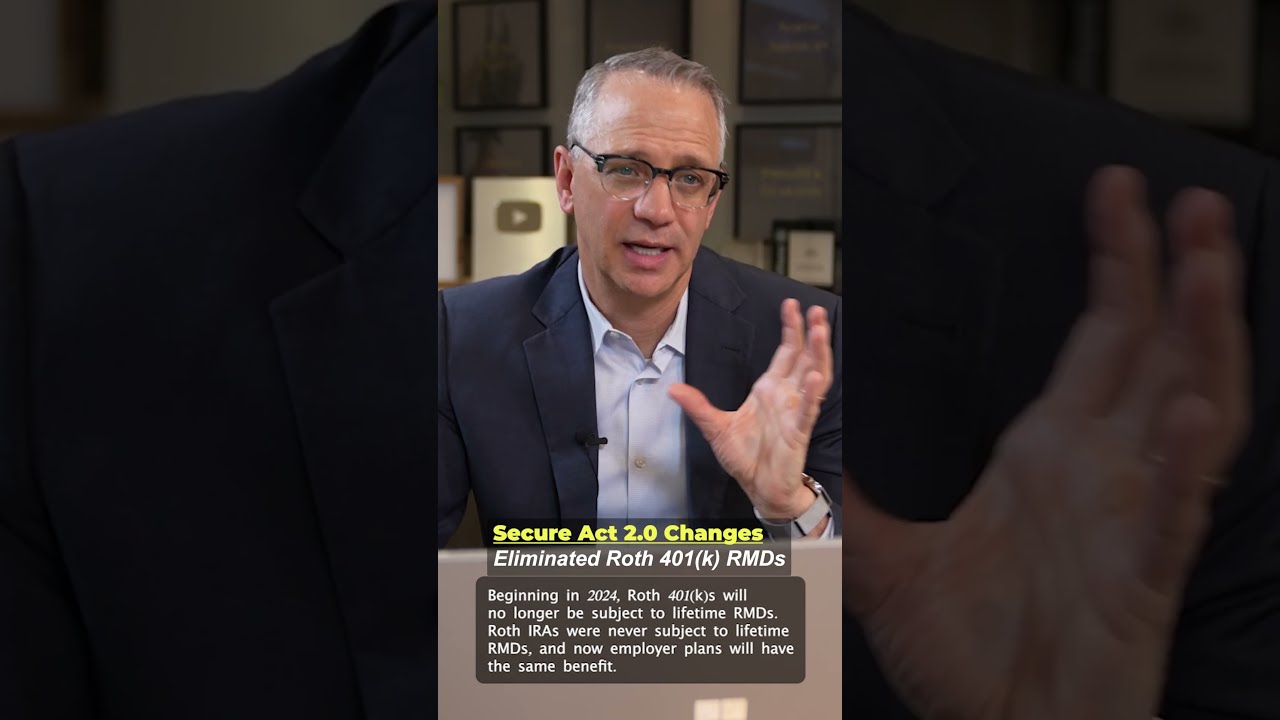

Roth 401(k) RMDs Going Away: What It Means for retirement planning
In the realm of retirement savings, the Roth 401(k) has gained significant traction over the years. Combining the best features of traditional retirement accounts and Roth IRAs, the Roth 401(k) offers tax-free growth and tax-free withdrawals in retirement, provided certain conditions are met. However, one issue that has loomed large over these accounts has been the requirement for minimum distributions (RMDs) beginning at age 72. Recent legislative changes may soon alter this landscape, as there are proposals to eliminate RMDs for Roth 401(k) accounts.
Understanding RMDs
RMDs, or Required Minimum Distributions, are rules set by the Internal Revenue Service (IRS) that mandate account holders to withdraw a minimum amount from their retirement accounts starting at age 72 (or 70½ for those born before July 1, 1949). The reasoning behind RMDs is straightforward: the IRS wants to ensure that individuals begin to withdraw and pay taxes on their retirement savings eventually. This requirement applies primarily to traditional 401(k) plans and IRAs, where contributions are made pre-tax, meaning taxes are deferred until withdrawal.
However, for Roth 401(k) accounts, the situation has previously been more complex. While contributions to these accounts are made post-tax, and growth is tax-free, account holders were still subject to RMDs during their lifetime, creating a unique and somewhat frustrating predicament for many retirees.
The Potential Change
The good news for retirement savers is that recent legislative proposals—most notably through the SECURE Act 2.0—seek to eliminate RMDs for Roth 401(k) accounts. If implemented, this change would allow account holders to maintain their investments in a tax-advantaged environment without being forced to withdraw funds at a certain age. This would represent a significant shift in retirement planning strategy and investment management.
Benefits of Eliminating RMDs
-
Greater Flexibility: Without the pressure to withdraw funds, retirees can choose to let their investments continue to grow tax-free for a longer period. This flexibility can be particularly advantageous, allowing retirees to tailor their withdrawal strategies based on their needs and market conditions.
-
Enhanced Estate Planning Opportunities: Roth 401(k) accounts are often passed on to heirs, and the elimination of RMDs can enhance their appeal in estate planning. Beneficiaries can inherit accounts that continue to grow tax-free for years, providing a potentially valuable financial legacy.
-
Reduced Tax Burden: By not having to take RMDs, retirees may have more control over their taxable income. This could prevent them from unintentionally jumping into a higher tax bracket, preserving more of their retirement savings.
- Encouragement of Long-term Investing: Without the requirement to withdraw funds, retirees may feel more inclined to maintain their investment strategy, keeping funds invested longer and benefiting from compounding returns.
Considerations for retirement planning
As with any legislative change, it’s essential to stay informed and adjust retirement strategies accordingly. Financial planners are likely to revisit retirement income strategies with these new rules in mind, considering how to incorporate Roth 401(k) accounts more effectively into withdrawal strategies.
Moreover, individuals should evaluate whether the Roth 401(k) fits into their broader retirement picture. With the potential for policy changes, prioritizing contributions to Roth accounts—whether 401(k) or IRAs—may become increasingly attractive as part of a diversified retirement portfolio.
Conclusion
While the elimination of RMDs for Roth 401(k) accounts is still subject to legislative approval, it promises a sea change in how retirees think about their retirement income. By providing greater flexibility, reducing tax burdens, and enhancing estate planning opportunities, this potential change could empower many individuals to navigate their golden years with increased confidence and control.
As the discussion around retirement planning continues to evolve, now is the time for both current and future retirees to educate themselves on potential legislative changes and how they may influence their retirement strategies. Embracing the possibilities that come with eliminating RMDs can pave the way for a more prosperous retirement.
LEARN MORE ABOUT: IRA Accounts
INVESTING IN A GOLD IRA: Gold IRA Account
INVESTING IN A SILVER IRA: Silver IRA Account
REVEALED: Best Gold Backed IRA




What about for a Traditional 401k, ? Has the RMD change?
What are a few strategies to minimize the tax burden when withdrawing from a traditional 401K
Did that RMD just used to be on the EMPLOYER match?
Thanks!