

Understanding Asset Distribution in Roth IRAs
Roth IRAs (Individual Retirement Accounts) have gained considerable popularity as a tool for retirement savings due to their unique tax advantages and flexibility. Understanding how asset distribution works within a Roth IRA is crucial for maximizing its benefits and ensuring that your retirement savings are managed effectively. This article will provide an overview of Roth IRAs, the rules surrounding asset distribution, and some strategies to consider for optimal growth.
What is a Roth IRA?
A Roth IRA is a type of retirement savings account that allows individuals to contribute after-tax income. As a result, the funds in the account grow tax-free, and qualified withdrawals made during retirement are also tax-free. This contrasts with traditional IRAs, where contributions are often tax-deductible, but withdrawals are taxed as income.
Key Features of Roth IRAs
-
Tax-Free Growth: Any interest, dividends, or capital gains earned within a Roth IRA are not subject to taxes, provided that the account holder meets certain conditions.
-
Qualified Withdrawals: To make tax-free withdrawals, the account holder must be at least 59½ years old and have held the account for at least five years.
-
No Required Minimum Distributions (RMDs): Unlike traditional IRAs, Roth IRAs do not have mandatory withdrawal requirements during the account holder’s lifetime, allowing for continued tax-free growth.
- Flexible Contributions: Contributions to a Roth IRA can be withdrawn at any time, tax-free and penalty-free, since those contributions were made with after-tax dollars.
Understanding Asset Distribution in a Roth IRA
Asset distribution refers to how you allocate your investments within your Roth IRA and how you withdraw those assets during retirement. Proper management of both aspects is critical for optimizing retirement savings.
Investment Options for Roth IRAs
Roth IRAs can hold a wide array of investment options, including:
- Stocks: Equities can potentially offer higher returns over the long term, but they come with higher volatility.
- Bonds: Considered safer than stocks, bonds can provide a steady income stream, making them a suitable option for those seeking more stability.
- Mutual Funds and ETFs: These provide diversification across various asset classes and can be a practical choice for investors who prefer a hands-off approach.
- Real Estate Investments: Some individuals choose to invest in real estate through a self-directed Roth IRA, but this comes with its own set of rules and risks.
Strategies for Asset Distribution
-
Consider Your Timeline: Younger investors can afford to have a more aggressive investment strategy, focusing on growth-oriented assets like stocks. As retirement approaches, it’s advisable to gradually reallocate towards more conservative investments, such as bonds, to protect against market volatility.
-
Diversification: Spread investments across different asset classes to minimize risk while still achieving growth. A diversified portfolio can withstand market fluctuations better than a concentrated one.
- Rebalancing: Periodically reassess and rebalance your portfolio to maintain your desired asset allocation strategy. This may involve selling some investments that have grown significantly and buying more of others that have lagged.
Withdrawing from a Roth IRA
When it comes to withdrawing funds from a Roth IRA, understanding the rules is essential to avoid penalties and taxes:
-
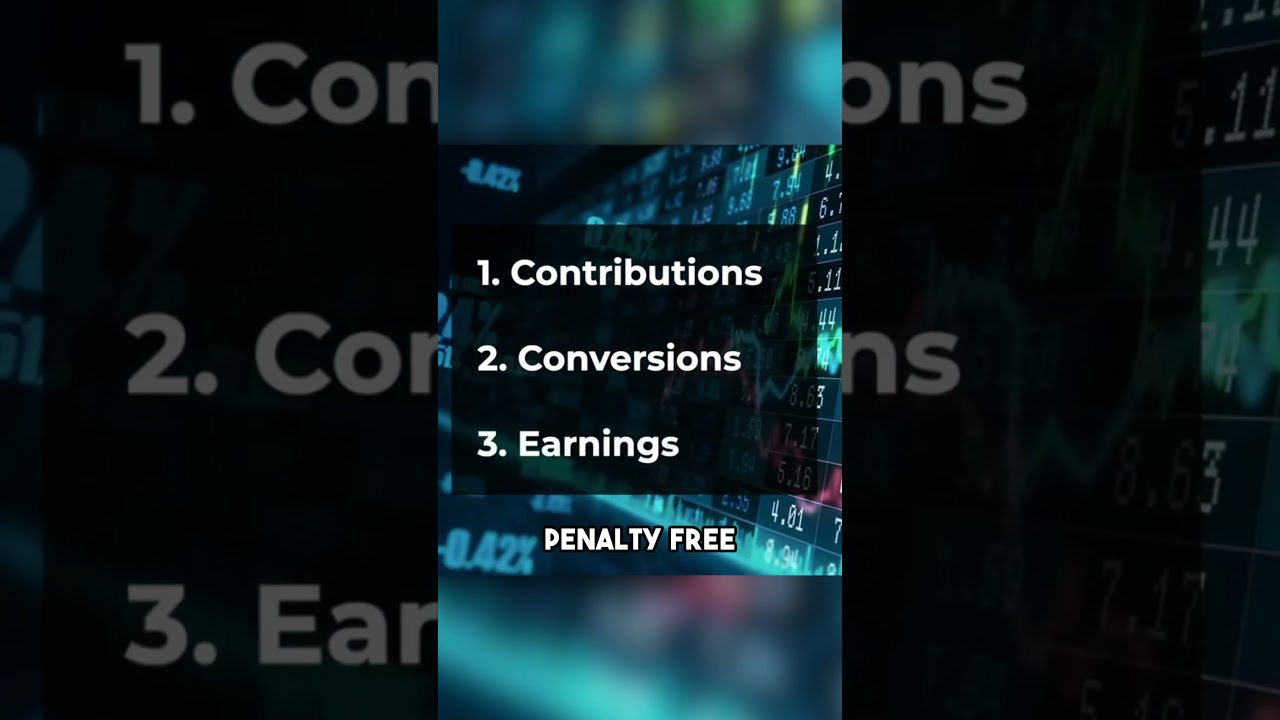
Ordering Rules for Withdrawals: Withdrawals from a Roth IRA are taxed according to a specific order. Contributions can be withdrawn anytime without penalty. Earnings, however, are only tax-free if you meet the age and five-year holding requirements.
- Qualified Distributions: As previously mentioned, to access earnings tax-free, you must be at least 59½ years old and have maintained the account for a minimum of five years. If these conditions are not met, earnings may be subject to taxes and a 10% early withdrawal penalty.
Conclusion
Roth IRAs offer a powerful way to save for retirement, providing tax-free growth and flexibility in how funds are managed and distributed. By understanding the investment options, strategies for asset allocation, and rules for withdrawals, individuals can make informed decisions that align with their retirement goals. Whether you are just starting your career or nearing retirement age, a well-managed Roth IRA can significantly contribute to your long-term financial security.
LEARN MORE ABOUT: IRA Accounts
TRANSFER IRA TO GOLD: Gold IRA Account
TRANSFER IRA TO SILVER: Silver IRA Account
REVEALED: Best Gold Backed IRA




0 Comments