


Take Control of Your Retirement: Create Your Own Pension with Annuities (Especially for the Self-Employed)
Being self-employed offers freedom and flexibility, but it also throws the responsibility of retirement planning squarely onto your shoulders. Without the automatic enrollment and employer contributions of traditional employment, building a comfortable nest egg requires proactive effort. One often overlooked, yet powerful tool for the self-employed is building your own pension using annuities.
Why Consider Annuities for Self-Employed Retirement Planning?
For freelancers, entrepreneurs, and independent contractors, annuities offer several key advantages:
- Guaranteed Income Stream: The biggest draw of an annuity is the promise of a guaranteed income stream in retirement. This provides peace of mind, knowing you’ll have a predictable cash flow to cover essential expenses, regardless of market fluctuations.
- Tax-Deferred Growth: Contributions to a non-qualified annuity grow tax-deferred. This means you don’t pay taxes on the earnings until you start receiving payments, allowing your money to potentially compound faster. (Remember to consult with a financial advisor about the tax implications of your specific situation.)
- Flexibility in Contributions: Unlike some retirement plans, annuities often offer flexible contribution schedules. You can make lump-sum contributions when you have extra cash, or set up regular payments that fit your budget.
- Protection from Market Volatility: Some annuity types, particularly fixed annuities, offer principal protection. This means your initial investment is safe from market downturns, making them a more conservative option for risk-averse individuals.
- Customizable Payout Options: Annuities offer various payout options to suit different needs. You can choose a lifetime annuity that provides income for as long as you live, a joint-and-survivor annuity that covers you and your spouse, or a fixed-period annuity that pays out over a specific timeframe.
Types of Annuities to Consider:
Understanding the different types of annuities is crucial for making informed decisions:
- Fixed Annuities: Offer a guaranteed interest rate for a specific period, providing stability and predictability. They are generally the most conservative option.
- Variable Annuities: Invest your contributions in a portfolio of investment options, similar to mutual funds. They offer the potential for higher returns, but also carry the risk of market losses.
- Indexed Annuities: Credit interest based on the performance of a market index, such as the S&P 500. They offer a balance between fixed and variable annuities, with potential for growth and some protection from market downturns.
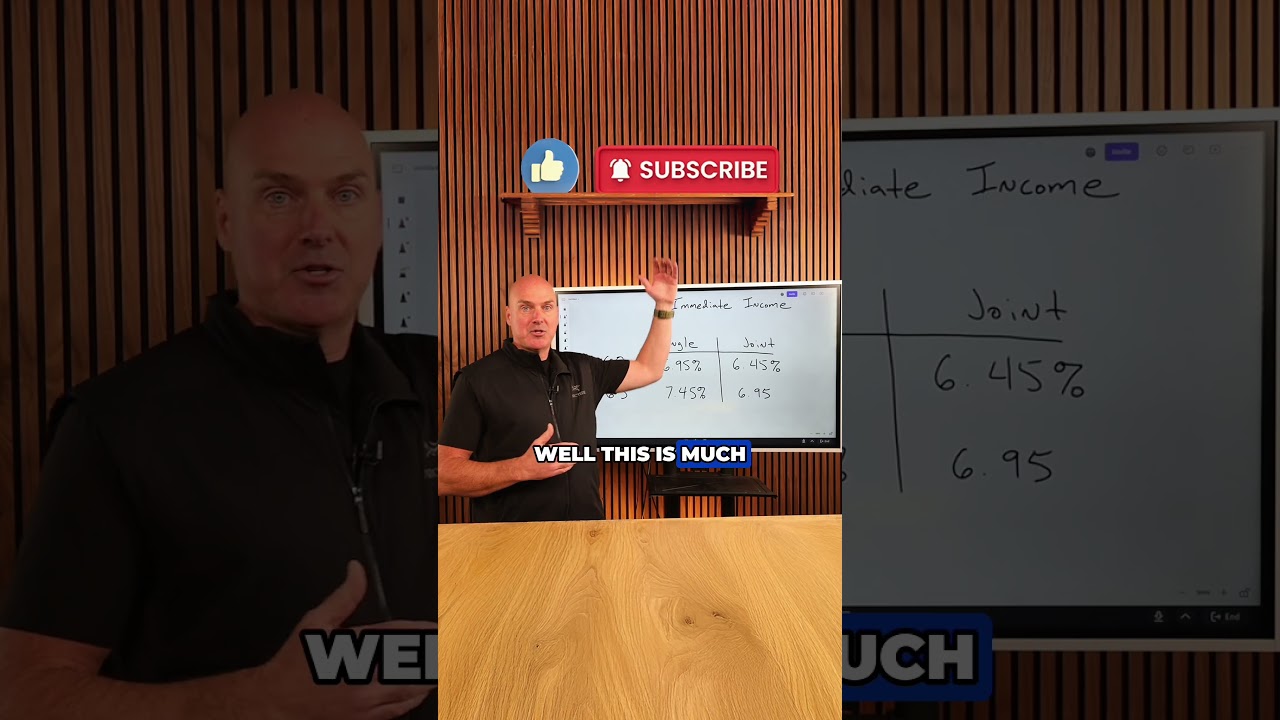
- Immediate Annuities: Start paying out income immediately after purchase, ideal for those nearing or already in retirement.
- Deferred Annuities: Allow your contributions to grow tax-deferred over a longer period before you start receiving payments, suitable for those who are further from retirement.
Building Your Own Pension: A Practical Approach
Here’s a step-by-step guide to creating your own pension with annuities:
- Assess Your Retirement Needs: Determine how much income you’ll need in retirement to cover your expenses and desired lifestyle. Consider factors like healthcare costs, housing, and travel.
- Estimate Your Current Retirement Savings: Evaluate your existing retirement accounts, such as SEP IRAs, SIMPLE IRAs, or individual 401(k)s.
- Determine the Income Gap: Subtract your projected retirement income from your estimated needs. This will help you determine how much additional income you need to generate from an annuity.
- Shop Around and Compare Annuities: Research different annuity providers and compare their fees, features, and payout options. Don’t be afraid to get quotes from multiple companies.
- Choose the Right Annuity Type: Select the type of annuity that aligns with your risk tolerance, investment goals, and time horizon.
- Consult with a Financial Advisor: Before making any decisions, seek advice from a qualified financial advisor who can help you understand the complexities of annuities and create a personalized retirement plan.
- Fund Your Annuity: Set up a contribution schedule that fits your budget. Consider making lump-sum contributions when you have extra cash available.
- Review and Adjust Your Plan: Regularly review your annuity and retirement plan to ensure it’s still meeting your needs. Adjust your contributions or investment strategy as necessary.
Important Considerations for the Self-Employed:
- Tax Implications: Understand the tax implications of annuities, particularly with regard to withdrawals and required minimum distributions (RMDs).
- Fees: Be aware of the fees associated with annuities, which can include surrender charges, administrative fees, and mortality and expense risk (M&E) charges.
- Company Stability: Choose an annuity provider with a strong financial rating to ensure they can meet their obligations in the future.
- Inflation: Consider how inflation could impact the purchasing power of your annuity income over time. Some annuities offer cost-of-living adjustments (COLAs) to help mitigate this risk.
Conclusion:
Creating your own pension with annuities can be a powerful strategy for self-employed individuals seeking a secure and predictable income stream in retirement. By understanding the different types of annuities, carefully assessing your retirement needs, and consulting with a financial advisor, you can take control of your financial future and enjoy a well-deserved retirement. Don’t let the lack of employer-sponsored plans deter you; with careful planning and the right tools, you can build a retirement that’s as independent and fulfilling as your career.
LEARN MORE ABOUT: Retirement Annuities
REVEALED: How To Invest During Inflation
HOW TO INVEST IN GOLD: Gold IRA Investing
HOW TO INVEST IN SILVER: Silver IRA Investing



0 Comments