
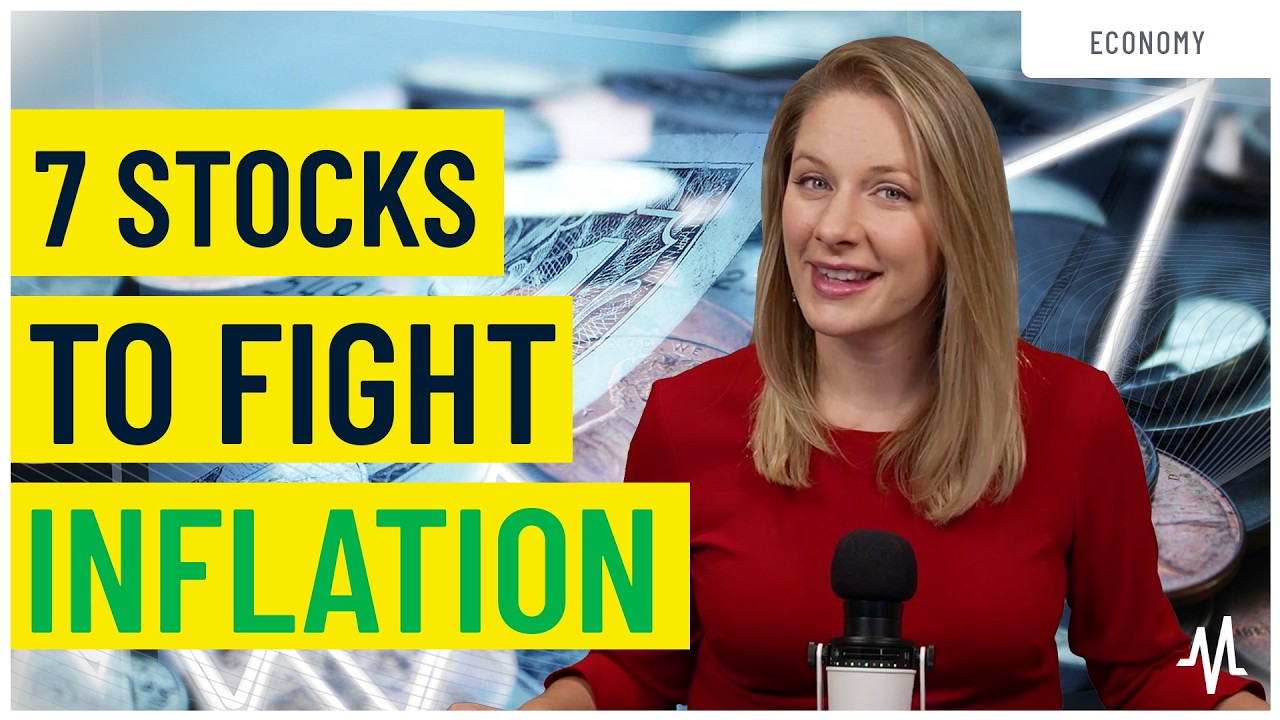

7 Inflation-Proof Stocks to Protect Your Portfolio From Rising Prices
Inflation. It’s the word on everyone’s lips, and it’s impacting wallets across the globe. As prices for everyday goods and services rise, investors are rightfully concerned about protecting their portfolios from erosion. While no investment is entirely inflation-proof, certain stocks have historically demonstrated resilience and the potential to thrive even in inflationary environments.
Here are seven stocks, representing diverse sectors, that could help you weather the inflation storm:
1. Energy Stocks (ExxonMobil – XOM):
Inflation often stems from higher energy prices. As demand for oil and gas remains robust, companies like ExxonMobil, one of the world’s largest integrated oil and gas companies, benefit. ExxonMobil can pass on increased costs to consumers, maintaining profitability even when inflation bites. Furthermore, the company’s diverse operations, spanning exploration, production, refining, and marketing, provide a cushion against price fluctuations in specific segments.
Why it’s inflation-proof:
- Directly benefits from rising energy prices.
- Strong global presence and diversified operations.
- Significant cash flow and dividends provide stability.
2. Basic Materials Stocks (Freeport-McMoRan – FCX):
Inflation often goes hand-in-hand with increased demand for raw materials used in infrastructure, manufacturing, and construction. Freeport-McMoRan, a leading copper miner, stands to benefit from this increased demand. Copper is a critical component in various industries, including electric vehicles and renewable energy, making Freeport-McMoRan well-positioned for future growth.
Why it’s inflation-proof:
- Copper demand is driven by global economic activity and infrastructure development.
- Limited supply of copper contributes to pricing power.
- Increased demand from green energy initiatives provides long-term growth potential.
3. Real Estate Investment Trusts (REITs) (Simon Property Group – SPG):
REITs, particularly those owning prime real estate like Simon Property Group, which focuses on shopping malls and retail properties, can offer protection against inflation. As prices rise, property values and rental income often follow suit. Simon Property Group’s premium properties and strong tenant base allow it to adjust rental rates to keep pace with inflation.
Why it’s inflation-proof:
- Real estate values tend to appreciate during inflationary periods.
- Lease agreements can be structured to include inflation-based rent adjustments.
- Physical assets provide a tangible hedge against currency devaluation.
4. Consumer Staples Stocks (Procter & Gamble – PG):
People will always need essential goods, regardless of the economic climate. Procter & Gamble, a global consumer goods giant, offers a wide range of everyday necessities like diapers, detergent, and toothpaste. Its strong brand portfolio and loyal customer base enable it to maintain sales even when prices increase.
Why it’s inflation-proof:
- Demand for essential goods is relatively inelastic.
- Strong brand recognition allows for price increases.
- Diverse product portfolio mitigates risks associated with individual product performance.
5. Discount Retailers (Walmart – WMT):
When budgets are tight, consumers often flock to discount retailers. Walmart, the world’s largest retailer, benefits from this trend. Its massive scale and supply chain efficiency enable it to offer competitive prices, attracting budget-conscious shoppers during inflationary times.
Why it’s inflation-proof:
- Offers value-driven products attractive during economic downturns.
- Scale and efficiency allow for competitive pricing.
- Resilient to economic fluctuations due to essential goods offerings.
6. Healthcare Stocks (UnitedHealth Group – UNH):
Healthcare is another sector that remains relatively insulated from economic downturns. UnitedHealth Group, a leading healthcare company, provides insurance and healthcare services. Demand for these services remains constant, regardless of inflation, making UnitedHealth Group a reliable investment.
Why it’s inflation-proof:
- Healthcare is a necessity, not a discretionary expense.
- Stable demand regardless of economic conditions.
- Increasing aging population drives demand for healthcare services.
7. Technology Stocks (Microsoft – MSFT):
While some tech stocks can be volatile, established companies like Microsoft, with a strong track record of innovation and recurring revenue streams through cloud services and software subscriptions, can offer inflation protection. These subscription models provide predictable income, and their products and services often increase productivity, making them essential for businesses.
Why it’s inflation-proof:
- Recurring revenue streams provide stability.
- Products and services often improve productivity and reduce costs.
- Continuous innovation drives growth and maintains market leadership.
Important Considerations:
- Diversification is key: Don’t put all your eggs in one basket. Spread your investments across different sectors and asset classes.
- Do your research: Before investing in any stock, thoroughly research the company’s financials, business model, and competitive landscape.
- Long-term perspective: Investing is a marathon, not a sprint. Focus on long-term growth rather than short-term gains.
- Consult a financial advisor: If you’re unsure how to manage your portfolio in an inflationary environment, seek guidance from a qualified financial advisor.
Disclaimer: This article is for informational purposes only and should not be considered financial advice. Investing in the stock market involves risk, and you could lose money. Consult with a financial professional before making any investment decisions. Remember that past performance is not indicative of future results.
LEARN MORE ABOUT: Investing During Inflation
REVEALED: Best Investment During Inflation
HOW TO INVEST IN GOLD: Gold IRA Investing
HOW TO INVEST IN SILVER: Silver IRA Investing




Great recommendations for a watch list!
Doesn’t take a genius to know lots of inflation coming as tariffs begin.
WMT
OXY
LLY
MRK
MDLZ
MKC
At the end of the year u will see that no need to see this chanel…
MKC is good, KMB is very boring, rather wait the innovation from Costco to bring block chain oz of precious mentals for its member, plus site clinics.
Inflation will never go away even If It gets to 2 percent range.