
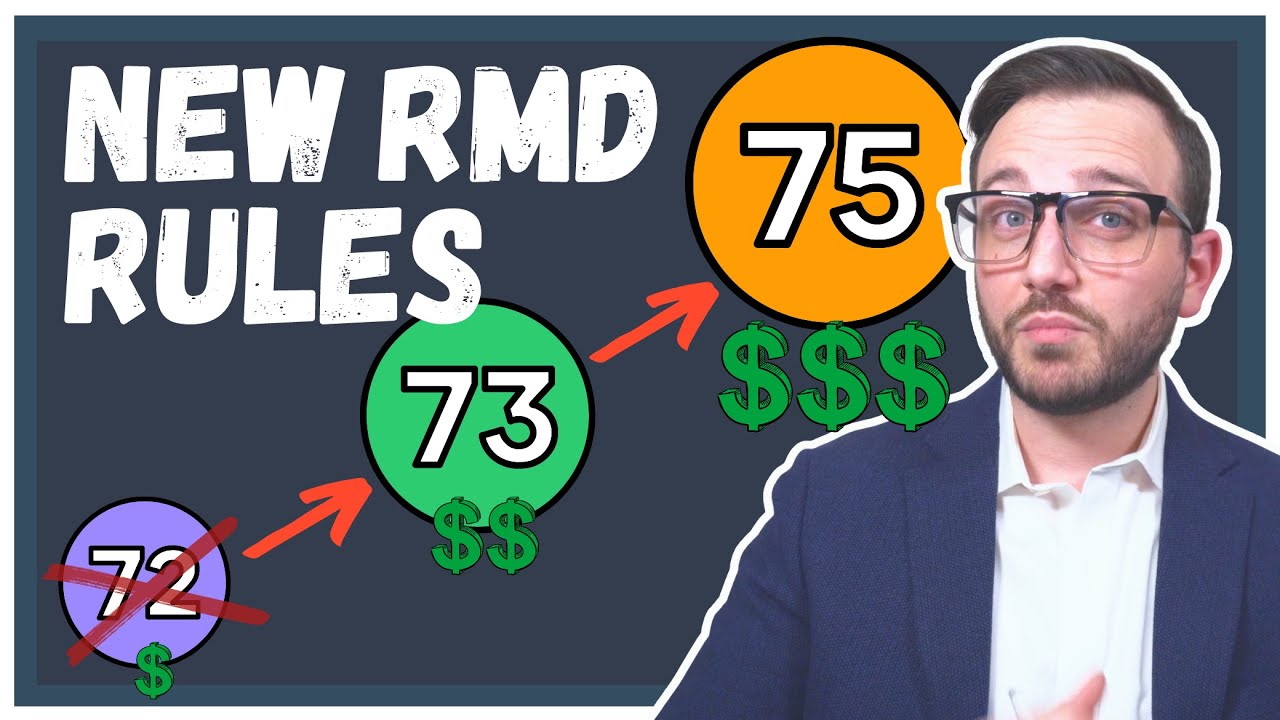

MASSIVE Changes to RMDs: What Retirees Need to Know About Required Minimum Distributions
As we navigate the complexities of retirement planning, one significant aspect that often creates confusion and requires careful attention is Required Minimum Distributions (RMDs). Recent legislative changes have brought significant shifts to the RMD landscape, impacting retirees and individuals with tax-deferred retirement accounts. Understanding these changes is crucial for effective retirement planning and ensuring compliance with IRS regulations.
What are RMDs?
Required Minimum Distributions are mandatory withdrawals that the Internal Revenue Service (IRS) mandates retirees to take from certain tax-advantaged retirement accounts, including traditional IRAs and employer-sponsored retirement plans like 401(k)s, once they reach a certain age. The purpose of RMDs is to ensure that retirees eventually pay taxes on their deferred income.
The Major Changes
1. Increased Age for RMDs
One of the most noteworthy changes introduced by the Setting Every Community Up for Retirement Enhancement (SECURE) Act 2.0, enacted in late December 2022, is the increase in the age at which individuals must start taking RMDs. Previously, the age was set at 72, but the new legislation raises this threshold to 73 for individuals born between 1951 and 1959. For those born in 1960 or later, the age rises to 75. This change gives retirees additional time to allow their investments to grow tax-deferred, potentially leading to a more comfortable retirement.
2. RMD Penalties and Exceptions
Failing to take RMDs could result in steep penalties, previously set at 50% of the amount that should have been withdrawn. However, under SECURE 2.0, the penalty is reduced to 25% if corrected promptly, and to 10% for certain cases of inadvertent errors. This is a significant relief for retirees who may overlook their RMD obligations or face unexpected challenges.
3. Special Exceptions for Certain Retirees
Another critical aspect of the changes involves exceptions to RMD rules for certain types of accounts. For example, individuals with Roth IRAs are not required to take RMDs during their lifetimes, providing greater flexibility for tax planning and estate considerations. Furthermore, the new rules allow for greater flexibility in the use of certain retirement accounts to be rolled over into Roth IRAs, which may also exempt individuals from RMDs.
4. Changes to Eligible Plans
As of 2024, the new rules expand the types of plans subject to RMD requirements. Previously, individual retirement accounts were the primary focus, but the SECURE Act 2.0 expands the reporting and management of RMDs across various retirement plans. This shift requires a thorough understanding of which plans are affected and how RMDs will apply.
5. Enhanced Disclosure Requirements
To help retirees navigate these changes, the IRS has implemented enhanced disclosure requirements for retirement plans. Plan sponsors must provide clearer information about RMDs, helping participants understand when and how much they need to withdraw. These added protections aim to reduce confusion and ensure compliance with the new laws.
What Should Retirees Do?
1. Review Your Retirement Accounts
With the new age thresholds and changes in distribution rules, retirees should take the time to review their retirement accounts. Understanding when and how much needs to be withdrawn is essential for tax planning.
2. Consult a Financial Advisor
Navigating the complexities of RMDs requires careful planning and strategy. Working with a financial advisor can help retirees devise a plan that aligns with their financial goals while ensuring compliance with IRS regulations.
3. Stay Informed
Tax laws and retirement regulations continue to evolve. It’s vital for retirees to stay informed about updates to RMD rules and any potential changes that may arise in future legislation.
Conclusion
The recent massive changes to RMDs present both challenges and opportunities for retirees. By understanding these changes, adapting strategies accordingly, and seeking professional guidance, retirees can optimize their withdrawal plans, maximize their retirement savings, and enjoy a more secure financial future. Remember, successful retirement planning hinges on proactive management and a solid grasp of the rules governing your retirement accounts.
LEARN MORE ABOUT: Thrift Savings Plans
REVEALED: Best Investment During Inflation
HOW TO INVEST IN GOLD: Gold IRA Investing
HOW TO INVEST IN SILVER: Silver IRA Investing




Didn't realize roth tsp had RMDs. Must have been thinking about a roth IRA. Sounds like good news.
So tsp won't take money from Roth tsp.they will only from traditional.