
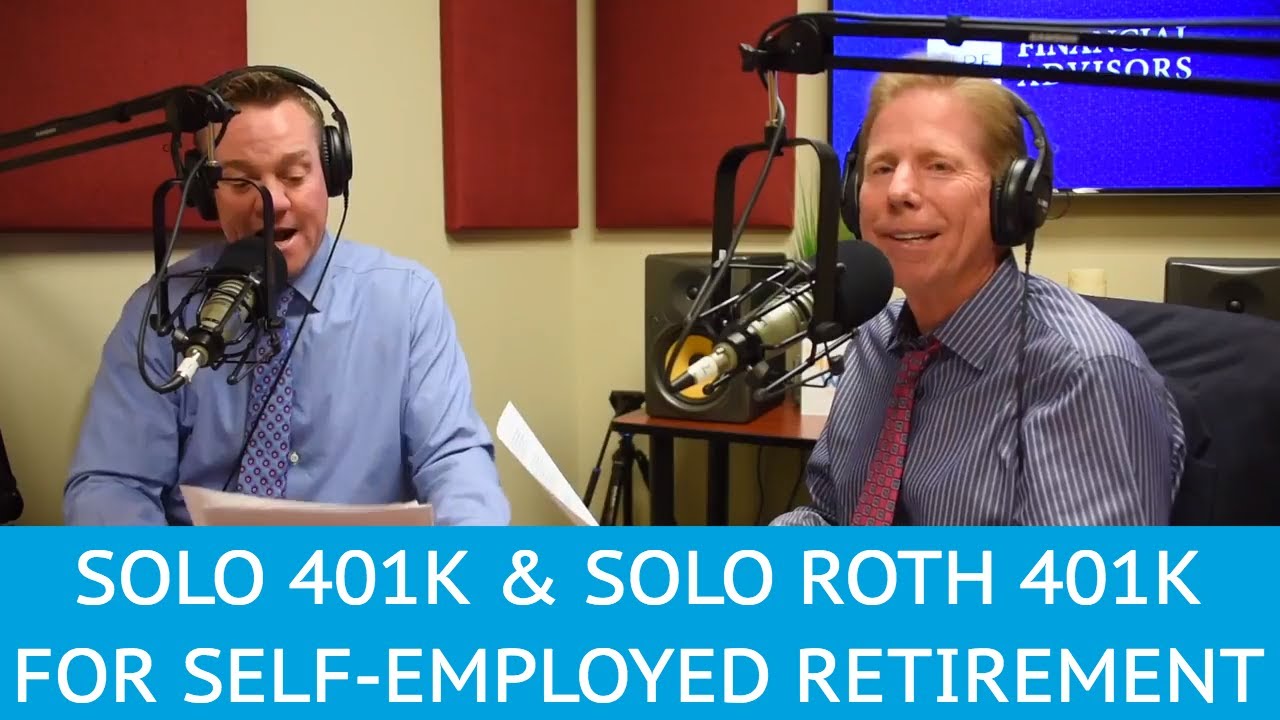

Title: Maximizing Retirement Savings: The Solo 401(k) and Solo Roth 401(k) for Self-Employed Small Business Owners
In today’s fast-paced entrepreneurial landscape, self-employed small business owners face unique challenges, not just in growing their businesses but also in planning for their futures. Retirement may seem like a distant goal amidst the hustle and bustle of daily operations, but effective planning today can pave the way for a more secure tomorrow. The Solo 401(k) and Solo Roth 401(k) stand out as optimal retirement savings vehicles, offering significant benefits tailored to the needs of independent professionals. In this article, we’ll delve deep into these retirement plans and their relevance to the self-employed community, drawing insights from the recent Your Money, Your Wealth (YMYW) podcast.
Understanding the Solo 401(k) and Solo Roth 401(k)
Solo 401(k): The Solo 401(k), also referred to as an individual 401(k), is designed specifically for self-employed individuals and business owners with no employees other than their spouses. It provides the same contribution limits as a traditional 401(k) while allowing for both employee and employer contributions.
-
Contribution Limits: In 2023, self-employed individuals can contribute up to $22,500 as an employee contribution. If you are 50 years or older, you can take advantage of catch-up contributions up to an additional $7,500. Additionally, as the business owner, you can make an employer contribution of up to 25% of your net earnings from self-employment, allowing for a total contribution limit that can exceed $66,000 (or $73,500 for those 50 years and older).
- Tax Benefits: Contributions to a Solo 401(k) can be tax-deductible, reducing your taxable income in the year you contribute. Funds in the account grow tax-deferred until withdrawal during retirement.
Solo Roth 401(k): The Solo Roth 401(k) operates in a similar manner to the traditional Solo 401(k), but with a key difference regarding taxation.
-
After-Tax Contributions: Contributions to a Solo Roth 401(k) are made with after-tax dollars, meaning you pay taxes on the money before it goes into your retirement account. This allows for tax-free withdrawals in retirement, provided certain conditions are met.
- Flexibility in Distribution: Because you’ve already paid taxes on the contributions, you can withdraw your contributions (but not the earnings) at any time without incurring penalties. This can provide added flexibility for self-employed individuals facing unpredictable cash flows.
Why Choose a Solo 401(k) or Solo Roth 401(k)?
-
High Contribution Limits: Self-employed individuals can typically save more for retirement through these plans compared to traditional IRAs or Standard 401(k) plans.
-
Ease of Administration: Both plans are relatively simple to establish, especially with the help of online providers specializing in individual retirement accounts. Most plans have minimal administrative requirements.
-
Loan Options: Solo 401(k) plans often allow participants to borrow against their contributions, providing a cushion during financial emergencies.
- Investment Options: These plans generally offer a wider range of investment choices compared to other retirement savings accounts, giving you the flexibility to grow your savings according to your risk tolerance and investment strategy.
Leveraging Insights from YMYW Podcast
In a recent episode of Your Money, Your Wealth (YMYW), financial experts discussed the nuances of Solo 401(k) and Solo Roth 401(k) accounts. One key takeaway discussed was the importance of tailoring your retirement strategy based on individual circumstances, including income level, tax bracket, and future financial goals. The experts emphasized the need for self-employed individuals to regularly assess their financial situation and make informed decisions about which retirement vehicle best aligns with their expectations.
Moreover, they pointed out that for those anticipating higher taxes in the future, opting for a Solo Roth 401(k) could provide a strategic advantage by locking in current tax rates on contributions. Meanwhile, individuals seeking immediate tax benefits might lean toward the traditional Solo 401(k).
Conclusion
A robust retirement savings plan is essential for self-employed small business owners, and the Solo 401(k) and Solo Roth 401(k) provide flexible and powerful tools to achieve long-term financial security. By understanding the distinctions between these accounts and leveraging their potential, entrepreneurs can build a foundation for a prosperous retirement. Remember, the best retirement strategy is one that aligns with your unique financial goals and circumstances, so consider consulting a financial advisor to tailor a plan that works best for you. With the right approach, your self-employed journey can culminate in a comfortable and fulfilling retirement.
LEARN MORE ABOUT: 401k Plans
REVEALED: Best Investment During Inflation
HOW TO INVEST IN GOLD: Gold IRA Investing
HOW TO INVEST IN SILVER: Silver IRA Investing




0 Comments