
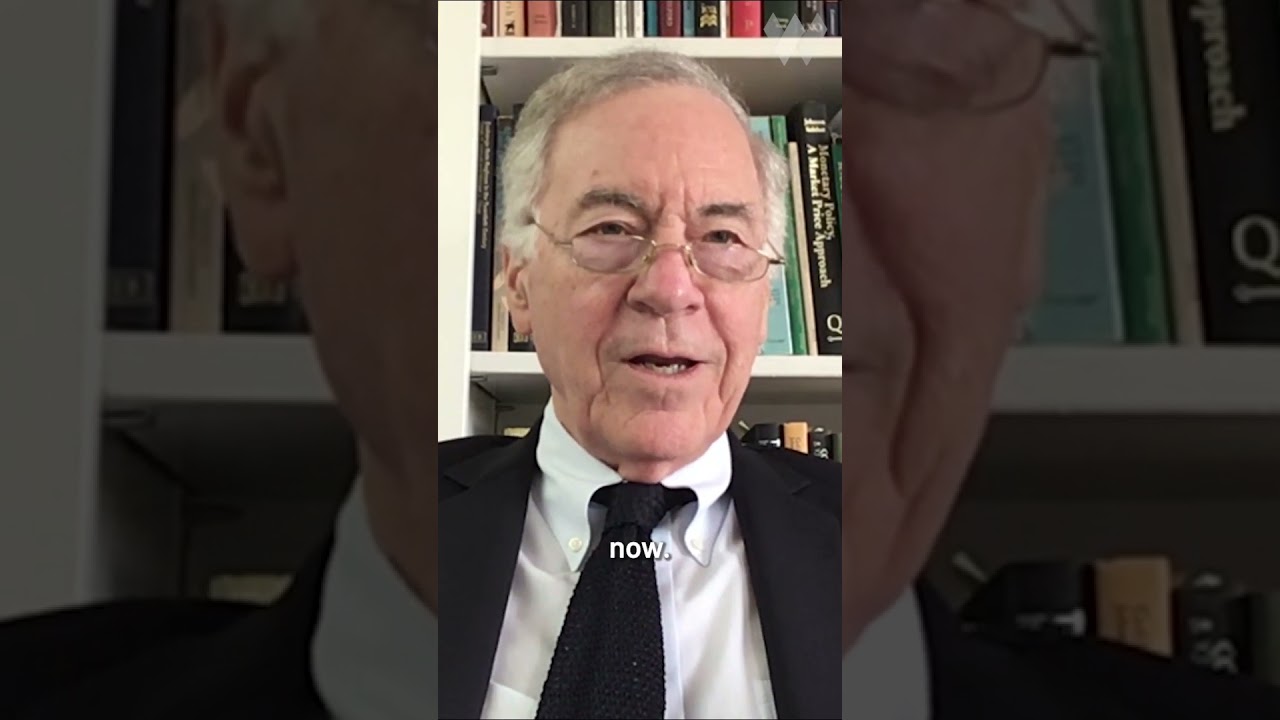

Inflation’s Next Move: Economic Collapse? | Steve Hanke’s Stark Warning
Inflation continues to be a thorn in the side of the global economy, prompting heated debates about its trajectory and potential consequences. While some economists predict a gradual easing, others, like renowned currency expert Steve Hanke, warn of a far more dire scenario: economic collapse. Hanke’s consistently pessimistic outlook, often labeled as alarmist, warrants serious consideration as he possesses a proven track record of forecasting currency crises and understanding the intricacies of monetary policy.
So, what is Hanke saying, and should we be worried?
Hanke’s Case for Caution: More Than Just a Transient Problem
Hanke’s argument revolves around the fundamental principle that inflation is, ultimately, a monetary phenomenon. He contends that the massive expansion of the money supply during the COVID-19 pandemic, coupled with supply chain disruptions and government spending sprees, has laid the groundwork for persistent and potentially escalating inflation.
Unlike those who see these issues as temporary bottlenecks that will resolve themselves, Hanke believes the damage is already done. He argues that central banks, particularly the Federal Reserve, were too slow to react and are now playing catch-up, potentially tightening monetary policy too aggressively and risking a recession.
The Collapse Scenario: A Chain Reaction of Disasters
Hanke’s most alarming prediction involves a chain reaction leading to economic collapse. This scenario unfolds as follows:
- Persistent Inflation: Inflation remains stubbornly high, eroding purchasing power and creating uncertainty in the market.
- Aggressive Rate Hikes: Central banks, desperate to regain control, aggressively raise interest rates to combat inflation.
- Recession: Higher interest rates stifle economic growth, leading to a recession marked by job losses, business failures, and decreased consumer spending.
- Debt Crisis: With a slowing economy and higher interest rates, highly indebted corporations and individuals struggle to repay their loans, leading to a debt crisis.
- Currency Devaluation: As investors lose confidence in the economy, they pull their capital out, leading to a sharp devaluation of the currency.
- Economic Collapse: A combination of recession, debt crisis, and currency devaluation triggers a complete economic meltdown, characterized by hyperinflation, widespread poverty, and social unrest.
Is Hanke Right? Counterarguments and Nuances
While Hanke’s warnings are stark, they are not without their critics. Many economists believe that:
- Inflation is Peaking: They argue that inflation has already peaked and will gradually decline as supply chain issues ease and demand moderates.
- Central Banks are Acting Appropriately: While acknowledging the slow initial response, they believe that central banks are now taking the necessary steps to bring inflation under control without triggering a severe recession.
- The Economy is Resilient: They point to the strong labor market and healthy consumer balance sheets as signs that the economy can withstand the current challenges.
Furthermore, it’s important to acknowledge the complexities of the global economy. Geopolitical events, technological advancements, and unforeseen shocks can all significantly impact inflation and economic growth. No single model or prediction can accurately capture all these factors.
Key Takeaways and Preparing for Uncertainty
While the future remains uncertain, Hanke’s perspective serves as a crucial reminder of the potential risks associated with unchecked inflation. Whether his predictions prove accurate or not, his insights highlight the importance of:
- Sound Monetary Policy: Maintaining stable prices and controlling the money supply are essential for long-term economic stability.
- Fiscal Responsibility: Governments should avoid excessive debt and spending that can fuel inflation.
- Diversification: Investors should diversify their portfolios to mitigate risk and protect themselves from potential economic downturns.
- Financial Literacy: Understanding the basics of economics and finance can help individuals make informed decisions about their money.
Ultimately, navigating the current economic landscape requires careful consideration of various perspectives and a healthy dose of skepticism. While economic collapse may seem like a distant possibility, vigilance and preparedness are crucial for weathering any potential storm. Steve Hanke’s voice, though often controversial, adds a vital dimension to the ongoing debate, urging us to confront the potential dangers and proactively prepare for an uncertain future.
LEARN MORE ABOUT: Investing During Inflation
REVEALED: Best Investment During Inflation
HOW TO INVEST IN GOLD: Gold IRA Investing
HOW TO INVEST IN SILVER: Silver IRA Investing




Next he will probably lecture about the perfection of trickle down economics.
Yellen is an economic monkey
I have heard Yellen has created a 400 billion war chest to smooth the economy to help Biden win the election. Once that runs out you are up to your necks in doo doos!