
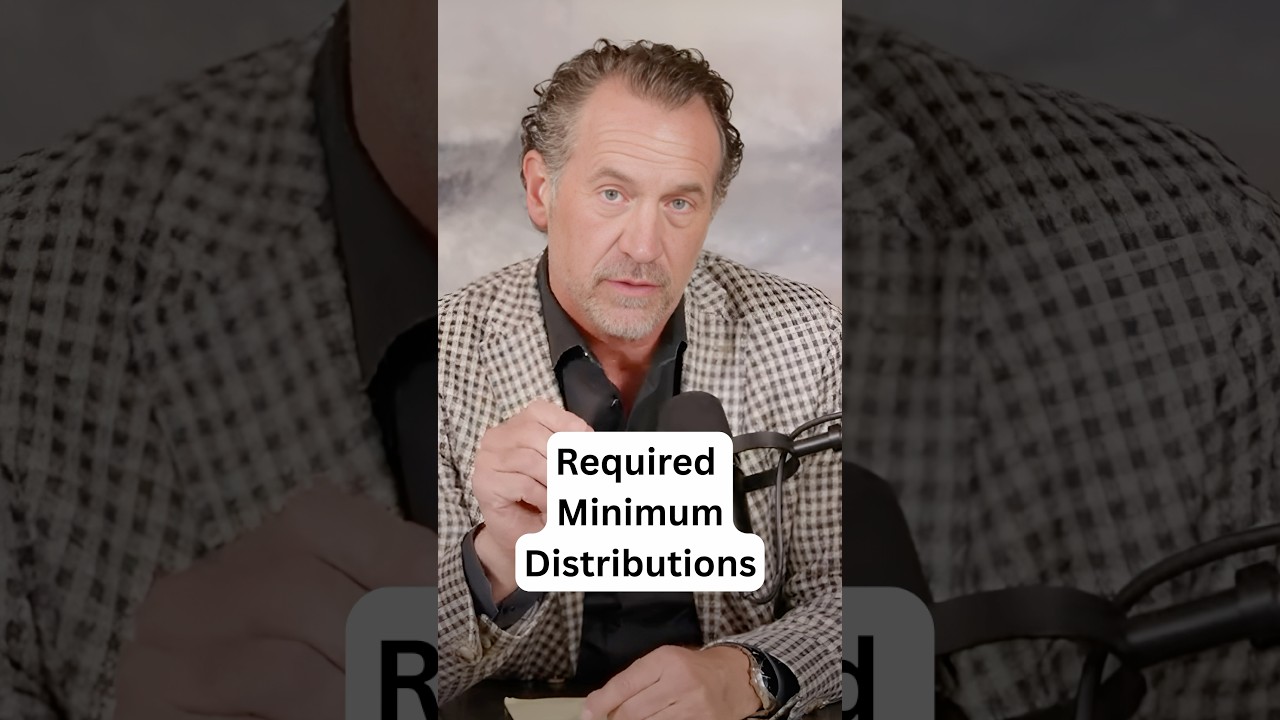

Avoid Required Minimum Distributions with This Retirement Strategy
For years, saving for retirement has been a priority. You’ve diligently contributed to your 401(k) or IRA, watched your investments grow, and now the golden years are within reach. But with retirement comes a new set of rules, and one of the most talked-about is the Required Minimum Distribution, or RMD.
RMDs, mandated by the IRS, are the minimum amounts you must withdraw from your retirement accounts (like traditional 401(k)s, 403(b)s, and traditional IRAs) each year, starting at age 73 (75 starting in 2033). Fail to take these withdrawals, and you could face a hefty penalty – a staggering 25% of the amount you should have withdrawn!
For many retirees, these withdrawals are necessary to supplement their income. However, for others, they can trigger higher tax brackets, unnecessary taxation of Social Security benefits, and a decrease in the overall value of their retirement savings.
So, is there a way to avoid or minimize RMDs and maintain greater control over your retirement funds? The answer, for some, lies in the Roth Conversion Strategy.
Understanding the Roth Conversion Strategy
The Roth Conversion strategy involves moving funds from a traditional IRA or 401(k) (pre-tax dollars) into a Roth IRA (after-tax dollars). While you’ll pay income tax on the converted amount in the year of the conversion, the beauty lies in the future:
- No RMDs: Roth IRAs are not subject to Required Minimum Distributions during the account owner’s lifetime. This gives you the freedom to let your funds continue to grow tax-free without forced withdrawals.
- Tax-Free Growth and Withdrawals: Qualified withdrawals from a Roth IRA are tax-free, meaning you won’t pay taxes on the earnings or the principal you withdraw in retirement.
- Estate Planning Benefits: Roth IRAs can be passed down to beneficiaries, who can continue to enjoy tax-free growth and withdrawals.
How to Implement a Roth Conversion Strategy
The process of converting funds to a Roth IRA is relatively straightforward:
- Open a Roth IRA: If you don’t already have one, establish a Roth IRA account with a reputable financial institution.
- Determine Your Conversion Amount: Carefully consider your current and future tax situation. Consulting with a tax professional is crucial to determine the optimal amount to convert each year without significantly bumping you into a higher tax bracket.
- Transfer the Funds: Contact your financial institution holding your traditional IRA or 401(k) to initiate the conversion. You can typically transfer funds directly into your Roth IRA.
- Report the Conversion: Be sure to report the conversion on your tax return in the year it was completed.
Is the Roth Conversion Strategy Right for You?
While the Roth Conversion strategy can be a powerful tool, it’s not a one-size-fits-all solution. Consider these factors before making a decision:
- Your Current and Future Tax Bracket: If you anticipate being in a higher tax bracket in retirement, a Roth conversion could be beneficial. However, if you expect to be in a lower tax bracket, it might be more advantageous to pay taxes on withdrawals later.
- Your Time Horizon: The longer your investment horizon, the more time your Roth IRA has to grow tax-free. This makes it particularly appealing for younger retirees or those who expect to live a long life.
- Your Cash Flow: Converting to a Roth IRA requires paying taxes upfront. Ensure you have sufficient funds to cover the tax liability without jeopardizing your financial stability.
- Your Risk Tolerance: Consider the investment options available within your Roth IRA and how they align with your risk tolerance.
Important Considerations:
- Tax Implications: Carefully consider the tax consequences of converting to a Roth IRA. Consulting with a qualified tax advisor is essential to ensure you understand the implications and optimize your strategy.
- The “Five-Year Rule”: To qualify for tax-free withdrawals from your Roth IRA, you must wait at least five years from the date of your first Roth contribution or conversion.
- Backdoor Roth: If your income exceeds the limits for contributing directly to a Roth IRA, you can still contribute through a “backdoor Roth” strategy. This involves making a non-deductible contribution to a traditional IRA and then converting it to a Roth IRA. However, be aware of the pro-rata rule, which can complicate this strategy if you have existing pre-tax IRA assets.
Conclusion:
Avoiding RMDs is a common goal for many retirees. The Roth Conversion strategy provides a compelling avenue to achieve this, offering tax-free growth and withdrawals, greater control over your assets, and potential estate planning benefits. However, it’s crucial to carefully evaluate your individual circumstances and consult with a qualified financial advisor and tax professional before implementing this strategy. By doing so, you can make informed decisions that align with your retirement goals and secure a financially comfortable future.
LEARN MORE ABOUT: 401k Plans
REVEALED: Best Investment During Inflation
HOW TO INVEST IN GOLD: Gold IRA Investing
HOW TO INVEST IN SILVER: Silver IRA Investing




0 Comments