
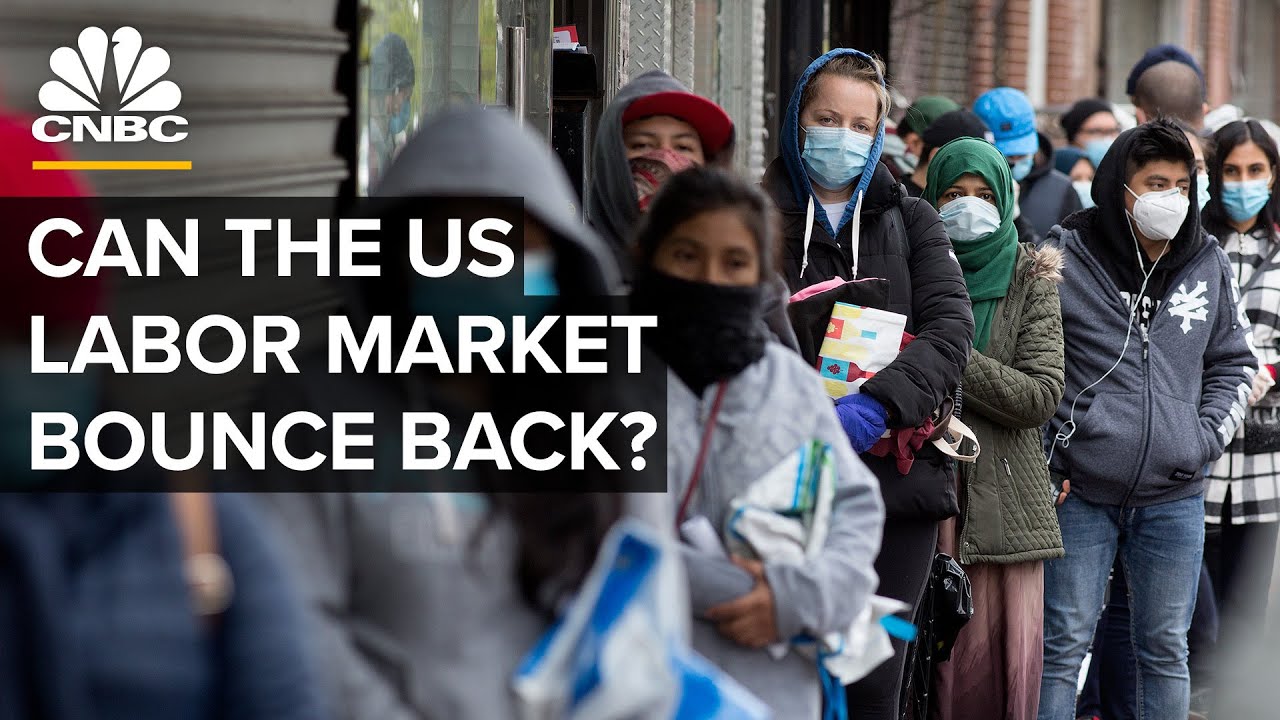

How Labor Markets Could Bounce Back From High Unemployment
In recent years, labor markets globally have faced unprecedented challenges, with spikes in unemployment rates driven by factors such as economic recessions, technological advancements, and the ripple effects of the COVID-19 pandemic. However, as history shows, labor markets have the potential to recover and thrive even after significant downturns. Understanding the mechanisms that enable this resurgence is crucial for policymakers, businesses, and workers alike.
1. Economic Recovery and Job Creation
One of the primary catalysts for bouncing back from high unemployment is economic recovery. As economies stabilize and grow, businesses typically restore hiring to meet increasing demand. This process often starts with:
-
Government Stimulus: Targeted fiscal measures, such as infrastructure spending, direct financial aid to individuals, and support for small businesses, can help spur economic activity. Investments in sectors like clean energy, healthcare, and technology not only create jobs directly but also stimulate growth in ancillary industries.
- Monetary Policy: Central banks play a crucial role by adjusting interest rates and implementing quantitative easing to encourage borrowing and investment. Lower interest rates make it easier for businesses to expand and hire, thereby reducing unemployment.
2. Reskilling and Upskilling Initiatives
With the rapid pace of technological change, many workers find themselves needing new skills to transition into emerging roles. Reskilling and upskilling initiatives can bridge this skills gap, enabling workers to adapt to the evolving job market. Strategies include:
-
Vocational Training Programs: Public and private partnerships can create programs tailored to the needs of local industries, offering training in high-demand fields such as healthcare, information technology, and renewable energy.
-
Online Learning Platforms: The rise of digital education platforms has made it easier for workers to access courses and obtain certifications from their homes, allowing them to re-enter the workforce more quickly.
- Apprenticeships and Internships: By providing hands-on experience, these programs help workers gain valuable skills while also allowing employers to vet candidates for future full-time positions.
3. Embracing Remote Work
The shift to remote work, accelerated by the pandemic, has fundamentally altered the labor market landscape. Companies that embrace flexible work arrangements can tap into a broader talent pool, leading to higher employment rates and increased job satisfaction. As organizations realize the benefits of remote work, several trends can help facilitate a smoother transition:
-
Hybrid Work Models: Companies can retain top talent by implementing hybrid work models that combine remote and in-office work, accommodating diverse employee preferences.
- Focus on Employee Wellbeing: Employers that prioritize mental health, work-life balance, and job security can create a more engaged workforce, leading to increased productivity and lower turnover rates.
4. Promoting Entrepreneurship
High unemployment often fuels entrepreneurship as individuals seek to create their own opportunities. Supporting new businesses can significantly contribute to job creation. Governments and institutions can foster an entrepreneurial environment by:
-
Access to Capital: Initiatives such as low-interest loans, grants, and venture capital funding can help nascent businesses get off the ground, creating new jobs in the process.
-
Business Incubators and Accelerators: These programs provide training, mentorship, and resources for startups, enabling them to succeed in competitive markets.
- Regulatory Support: Streamlining licensing processes and reducing bureaucratic barriers can encourage entrepreneurship and innovation.
5. Strengthening Labor Rights and Protections
A resilient labor market is built on the foundation of strong labor rights and protections. Policymakers should look to enhance worker protections to ensure fair wages, safe working conditions, and benefits, which can result in improved job satisfaction and loyalty. This, in turn, can lead to lower turnover rates and a more stable labor force.
Conclusion
While high unemployment can present significant challenges, the pathways to recovery are numerous and varied. By driving economic growth, prioritizing reskilling, embracing new work models, fostering entrepreneurship, and enhancing labor rights, societies can build a more resilient labor market that not only recovers from downturns but thrives in the face of future uncertainties. Collaboration between governments, businesses, and individuals will be key to navigating this recovery and ensuring a more equitable and sustainable job market for all.
BREAKING: Recession News
REVEALED: Best Investment During Inflation
HOW TO INVEST IN GOLD: Gold IRA Investing




Pls do a video on the fall of U.S much needed
This video start from the premise of a great jobs market, before Corona Virus, well lets stop kidding ourselves, gig or min. wage working with no benefits does not equal great jobs market, that with extreemly manipulated figure, is just that – manipulated numbers, hence why there was no upward pressure on salaries!
Before Covid we had a fake economic recovery ever since the 2008 crash, the FED has been working to keep it all together, just as they are now with unbelievable amounts of money printing. 20% of S&P500 corporations cannot service their debt load from profits (at the lowest interest rates ever) – so how on earth could that be called a great economy???
I was furloughed along with a few thousand others 3 months ago. I found out today they used COVID as an excuse to let us go permanently.
We are so, so screwed.
Also, these college professors could never get jobs in the real world. I would not trust any of them in the workplace. And they are complaining about liberal agenda.
Crayola Frydman is why higher learning is useless. She’s a professor of Finance at Northwestern University, talking about economics and you can’t understand her. Why would anyone pay $8,000 a credit hour to listen to that?!
No. We cannot. Bcaz this administration is lying to us, and is not working hard to put real numbers out. The Fed is propping everything up. Look how they did Wallstreet compared to mainstreet
Theres no way the real unemployment was ever 3.5% lol.
All I hear is the Federal government needs to give, payout, loan money to every person, business, state and local governments. They want the Federal government to take care of everything.
long story short, no. Companies are already using this opportunity to boost automation at massive scale.
Rahel Solomon is such a beautiful young woman.. Wow
And pigs can fly, if they only grew wings!
No it can’t!!! Come to nyc!!! Idk what they’re talking about increase in jobs. There’s barely any jobs besides city jobs government jobs or labor union. Besides that many jobs don’t allow over 40 hours a week. And health insurance. They’re not coming back strong people do not listen to the media. I can’t even get into Costco seriously
Talking about a 2nd wave, the US public is functioning like Covid is gone.
It’s 29 Million
I don't think burning all those stores & local businesses down is going to help this much…
Race wars instead of fighting the big companies
One of the largest wealth transfers to a concentrated few. The big will gobble up the small.
Gosh you people believe anything. I’ll be good in government
Change the way you live starting today. "Less is more"
Do you actually need to travel every year?
Do you need to eat at the restaurant every week?
Cut down your desire and focus only on the necessary ones
Sibilance! Holy moly VO guy.
The US had major problems with employment long before coronavirus and businesses were filing bankruptcy left and right before the coronavirus this was just an excuse to shut down.. good for them..
How can and economy bounce back when they had no economy in the first place. Hahahahaha
The economic boom-bust cycles of the past few decades illustrate how the economy has been artificially inflated like a balloon. Day trader technology causes spikes and dips that don't reflect actual economic conditions…just speculation. Covid-19 was just a catalyst to move markets. Wouldn't surprise me to learn it was a market conspiracy.