
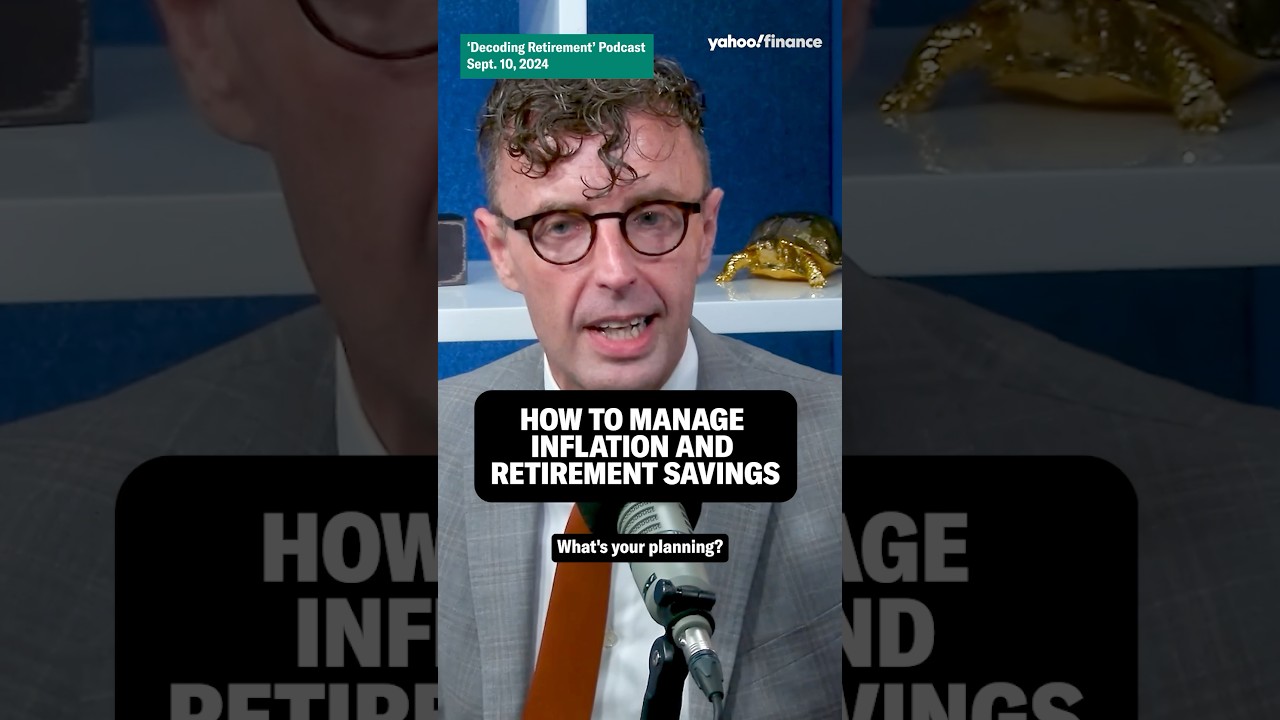

How to Manage Inflation and Retirement Savings: Tips for a Secure Future
Inflation can significantly impact your retirement savings, eroding purchasing power over time. As prices rise, you want to ensure that your nest egg can sustain your lifestyle throughout retirement. Here are some practical strategies to help you manage inflation’s effects on your retirement savings.
1. Understand Inflation Rates
Before you can effectively manage your retirement savings, it’s essential to understand how inflation works. Monitor consumer price index (CPI) trends to grasp how much inflation is affecting your costs. Knowledge is power, and staying informed will help you anticipate adjustments.
2. Diversify Your Investments
A diversified portfolio is key to combating inflation. Consider allocating funds across a mix of assets like stocks, bonds, real estate, and other alternatives. Stocks, in particular, have historically outpaced inflation over the long term, making them a vital component of your investment strategy.
3. Consider Inflation-Protected Securities
Look into Treasury Inflation-Protected Securities (TIPS) or other investment vehicles designed to offer some protection against inflation. These instruments adjust your principal based on inflation rates, helping safeguard your purchasing power.
4. Regularly Review and Adjust Your Savings Goals
Inflation may necessitate a reevaluation of your retirement savings goals. Adjust your target savings amount to account for anticipated inflation rates. This could mean increasing your monthly contributions to retirement accounts to stay on track.
5. Maximize Contributions to Retirement Accounts
Take full advantage of tax-advantaged retirement accounts like 401(k)s and IRAs. Consider contributing the maximum amount allowed, especially if your employer offers a matching contribution. This helps grow your savings more aggressively, providing a better shield against inflation.
6. Stay Informed About the Economy
Economic conditions fluctuate. Stay updated on financial news and how broader economic trends may impact inflation and your investments. Being proactive can help you make informed decisions about adjusting your portfolio when necessary.
7. Plan for Longer Retirement
With advancements in healthcare, many people are living longer. This means your retirement savings need to last longer than previously anticipated. Factor in longevity when planning your retirement solutions and consider annuities or other options for guaranteed income.
8. Consult with a Financial Advisor
If managing inflation and retirement savings feels overwhelming, consider working with a financial advisor. A professional can provide personalized insights and strategies based on your individual circumstances, helping you navigate the complexities of inflation and its impact on your financial future.
Conclusion
Managing inflation effectively as you save for retirement is crucial for ensuring your financial well-being in later years. By diversifying investments, taking full advantage of retirement accounts, and staying informed, you can bolster your defenses against inflation. Begin implementing these strategies today for a more secure retirement tomorrow.
If you found these tips helpful, subscribe to our podcast for more financial insights, and don’t forget to like and share! #shorts #podcast
LEARN ABOUT: Investing During Inflation
REVEALED: Best Investment During Inflation
HOW TO INVEST IN GOLD: Gold IRA Investing
HOW TO INVEST IN SILVER: Silver IRA Investing




I’ve been diligently working, saving and contributing towards early retirement and financial freedom, but the economy so far has caused my portfolio to underperform, do I keep contributing to my 401k or look at alternative sectors to meet my goals?