
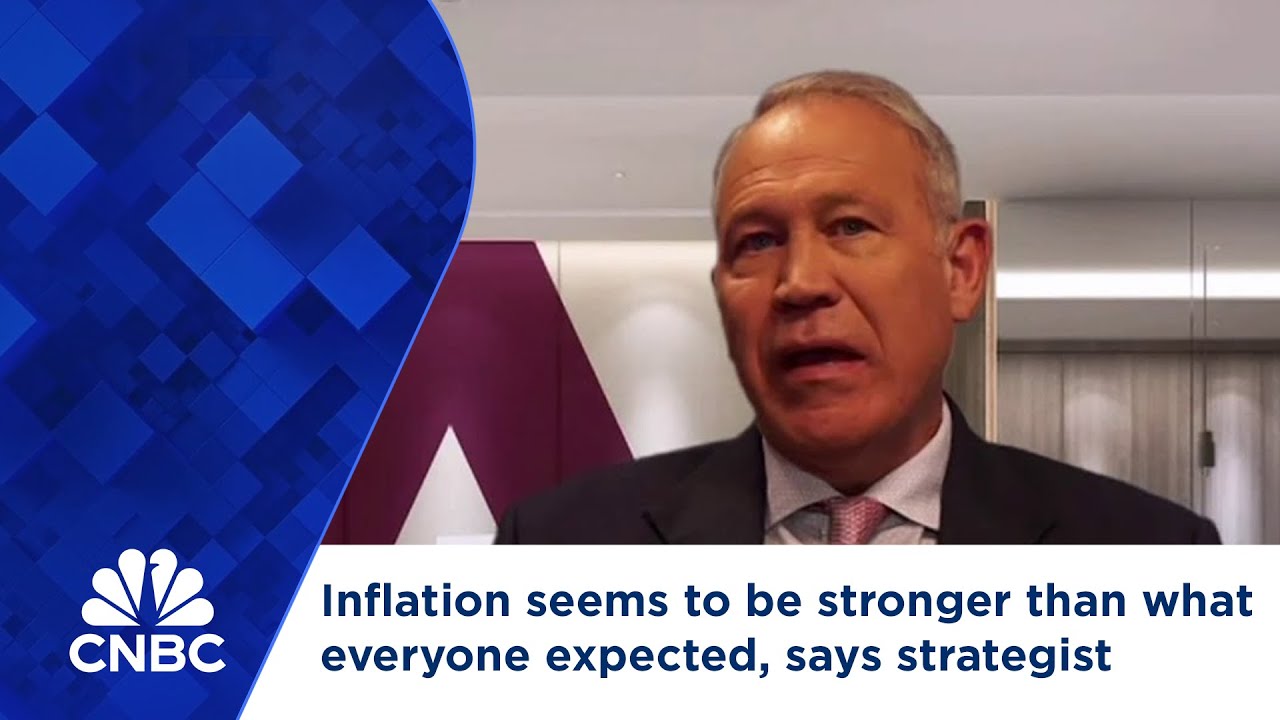

Inflation Surprises Economists: A Deeper Dive into Current Trends
In recent months, inflation has remained a hot topic in economic discussions, with many strategists and analysts expressing surprise at its resilience and stronger-than-expected persistence. As the world grapples with post-pandemic recovery, supply chain disruptions, and geopolitical tensions, the inflationary landscape is becoming increasingly complex, prompting a closer examination of its implications for markets, consumers, and policymakers.
The Unanticipated Surge in Inflation
Initially, many economists thought that the inflationary pressures observed in 2021 were merely transitory—a consequence of supply chain bottlenecks as economies reopened after months of lockdowns. However, as we progressed into 2023, it has become clear that inflation has not only persisted but has, in many cases, exceeded expectations. Key indicators, such as the Consumer Price Index (CPI) and Producer Price Index (PPI), have consistently revealed higher inflation rates than anticipated, raising eyebrows among strategists who had predicted a more benign trajectory.
One prominent strategist pointed to various factors contributing to this stronger-than-expected inflation. Among these, the ongoing impacts of the COVID-19 pandemic continue to reverberate through the economy. Labor shortages in critical sectors, rising commodity prices, and increased demand as consumers resumed spending have all fueled inflationary pressures.
Key Drivers Behind Inflationary Pressures
-
Supply Chain Disruptions: Despite some improvements, global supply chains are still grappling with issues from the pandemic. Transportation bottlenecks, port congestions, and shortages of key components like semiconductors have led to increased costs for manufacturers. These costs are often passed onto consumers, contributing to higher prices across various sectors.
-
Energy Prices: A significant driver of inflation has been the volatility in energy markets. Fluctuations in oil and gas prices, exacerbated by geopolitical tensions and shifts in production strategies, have leading to spikes in costs that affect everything from transportation to everyday goods.
-
Labor Market Constraints: The labor market remains tight in many regions, where businesses are struggling to recruit workers. Increased wages in some sectors, particularly those experiencing high demand like healthcare and technology, have spurred additional consumer spending, further feeding into inflationary trends.
- Demand Surge: As economies fully reopened, consumer demand surged, aided by stimulus measures and pent-up savings during the pandemic. This heightened demand, coupled with supply chain issues, naturally led to price increases.
Implications for Policymakers and Markets
The persistent inflation has significant implications for monetary policy. Central banks around the world, particularly the U.S. Federal Reserve, are faced with the challenge of balancing inflation control with supporting economic growth. As inflation rates continue to outpace expectations, policymakers are under pressure to adjust interest rates more aggressively, which could have cascading effects on borrowing costs, housing markets, and overall economic activity.
For investors, higher-than-expected inflation can create a challenging environment. Equity markets may react negatively to interest rate hikes, while sectors sensitive to inflation, such as utilities and consumer staples, might become more attractive. Commodities often provide a hedge against inflation, making them a focal point for many investment strategies going forward.
Conclusion
As we move further into 2023, it is clear that inflation is proving to be a more formidable foe than many had anticipated. The complex interplay of lingering pandemic effects, global supply chain issues, rising energy prices, and labor market dynamics suggests that the path forward may remain fraught with challenges. Policymakers, businesses, and consumers alike must navigate this new inflationary reality, adapting to a landscape that may be far more volatile and unpredictable than previous forecasts suggested.
Strategists emphasize the need for vigilance and flexibility as we adjust to an economic environment where inflation may not just be a passing phase but could become a more entrenched feature of the global economic landscape. The coming months will be critical, not just for understanding inflation trends, but for shaping the strategies that will enable adaptation and resilience in the face of ongoing economic uncertainty.
LEARN ABOUT: Investing During Inflation
REVEALED: Best Investment During Inflation
HOW TO INVEST IN GOLD: Gold IRA Investing
HOW TO INVEST IN SILVER: Silver IRA Investing



0 Comments